
Home / News / Company News
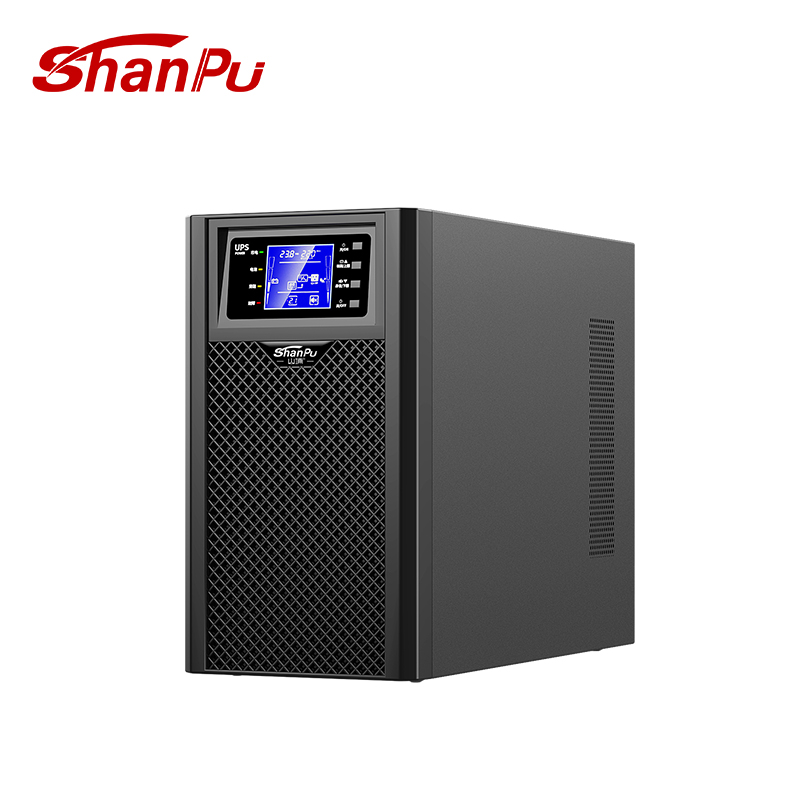
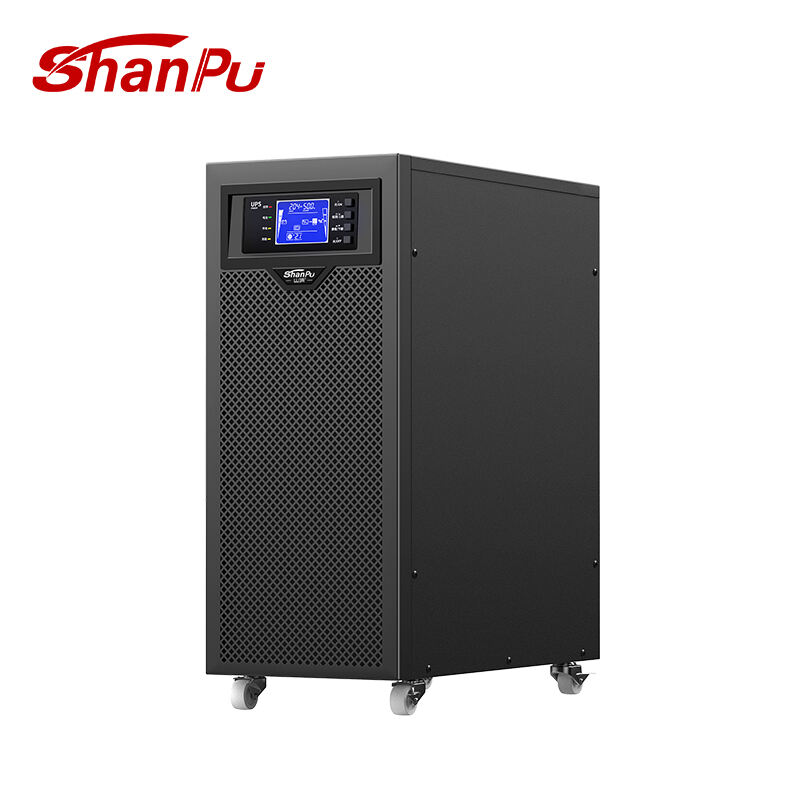
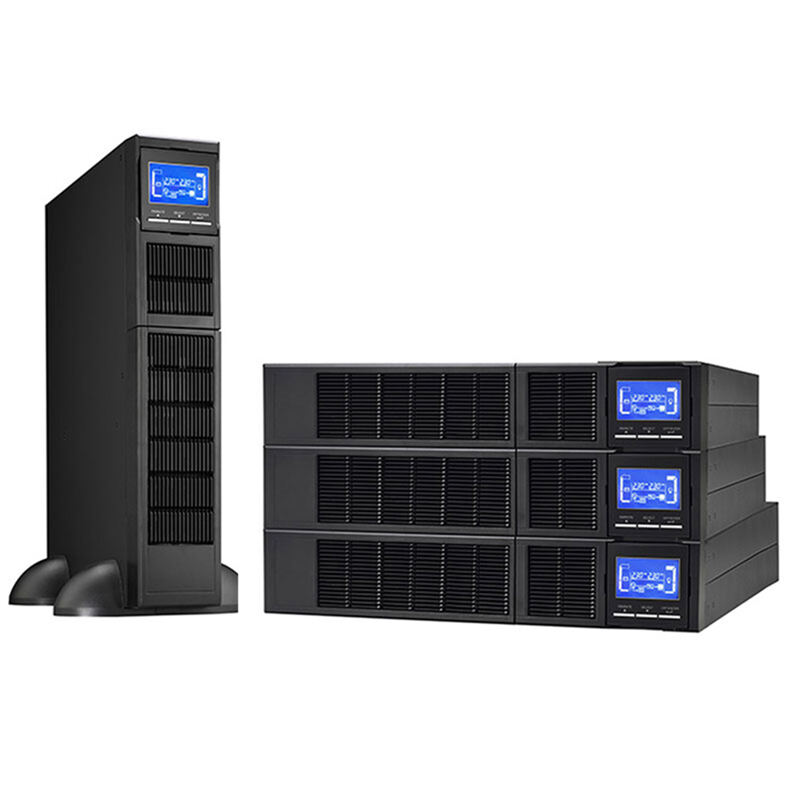
Online UPS systems rely on double conversion tech to keep power flowing without interruption. They work by taking AC power, converting it to DC, and then right back to AC again. This setup means there's absolutely no delay when switching between power sources according to Vertiv research from last year. Such reliability matters a lot for places where equipment can't afford even a momentary power loss, think hospitals and data centers specifically. These systems also filter out those annoying voltage spikes and electrical interference that might otherwise damage connected gear. And here's something interesting from Vertiv's 2023 study on power conditioning: their findings showed that these kinds of UPS units stop about 99.6 percent of all hardware problems caused by power issues in big business settings.
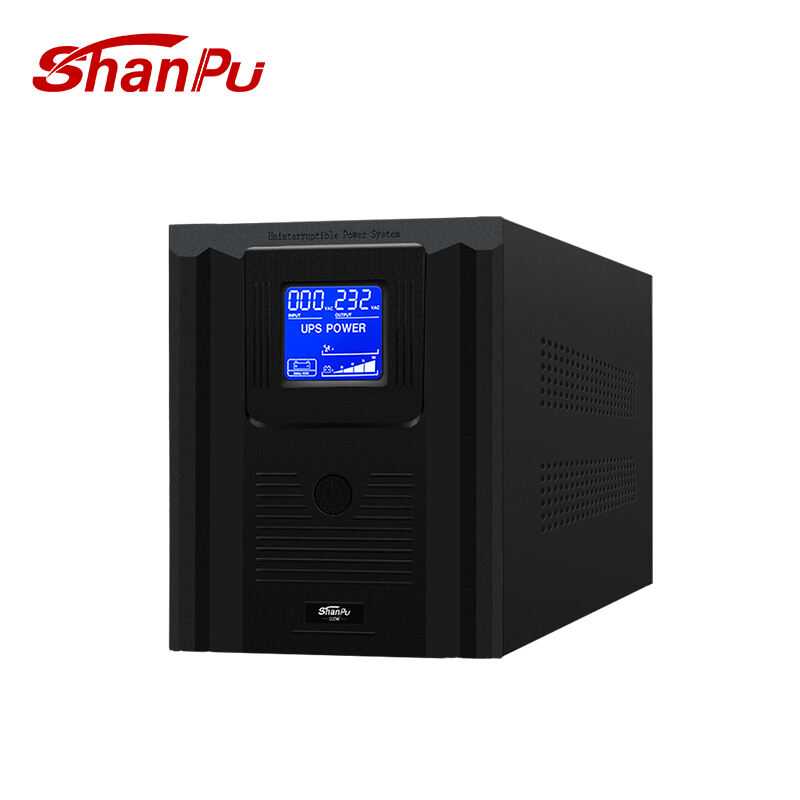
Most offline UPS systems sit in standby mode when everything's running smoothly, just letting regular electricity flow straight to whatever devices are plugged in. But if there's a sudden dip in voltage or total power cut, these units kick in almost instantly, switching over to battery backup within about 4 to 8 milliseconds according to Kohler's research from last year. That tiny delay won't bother most household gadgets like routers or printers. The whole setup focuses on saving energy too, with efficiencies ranging between 95% and nearly 98%. For folks dealing with pretty reliable grid service where short power hiccups aren't a big deal, this makes offline models a smart choice both financially and environmentally speaking.
| Feature | Online UPS | Offline UPS |
|---|---|---|
| Transfer Time | 0 milliseconds | 4-8 milliseconds |
| Output Waveform | Pure sine wave | Modified sine wave |
| Efficiency | 85-92% | 95-98% |
| Typical Use Case | Hospitals, Data Centers | Home offices, Printers |
While online UPS systems consume about 15% more energy than offline models, their superior protection reduces equipment replacement costs by $740k annually in high-risk facilities (Ponemon 2023). The decision hinges on balancing operational sensitivity against budget constraints.
In places where power interruptions can't be tolerated at all, like data centers, hospitals, and telecom facilities, online UPS systems get rid of those dangerous single points of failure. These systems work differently from their offline counterparts which basically do nothing until there's actually a blackout. Online units are constantly conditioning the power coming in throughout the day and night, smoothing out those pesky voltage spikes, weird harmonic distortions, and frequency wobbles we all hate. According to research from the Ponemon Institute back in 2023, this kind of constant protection stops about two thirds of all equipment failures caused by what they call "dirty power" in business settings. Think about server farms that need almost perfect uptime, or medical equipment where even tiny power dips could spell disaster for patients. That's why having this kind of round-the-clock defense mechanism becomes absolutely critical for operations that simply cannot afford any downtime whatsoever.
Online UPS systems with their zero transfer time make all the difference in sectors where even tiny power interruptions cost big money. Take high frequency trading platforms for instance they literally lose around seven hundred forty thousand dollars every single millisecond the system goes down according to that Financial Infrastructure Report from last year. Semiconductor manufacturers face similar headaches too when brief outages cause them to toss whole product runs into the trash bin. Offline UPS systems typically have a 4 to 8 millisecond lag before kicking in which works okay for regular desktop computers but just won't cut it for those precision machines on factory floors or life support systems in hospitals where continuous operation is absolutely essential.
Although online UPS systems carry a 35—50% higher initial cost, their long-term savings justify the investment for critical operations. Over a 10-year lifecycle, enterprises benefit from:
Hospitals and financial institutions typically achieve full ROI within 26 months through avoided service disruptions alone.
For places where the power grid is generally stable, offline UPS systems can protect important but not mission-critical equipment at a fraction of the cost. Many small businesses have found that going with 1 to 50 kVA offline models saves them anywhere between 40% and 60% when compared to their pricier online counterparts. These budget-friendly options still do a pretty good job keeping point-of-sale machines and network hardware safe during brief power interruptions. According to industry studies, most of these systems give enough backup time (usually around 5 to 15 minutes) to allow for proper shutdown procedures in about 89 out of every 100 short blackouts. The fact that they're passively designed makes them particularly well suited for certain situations like...
Energy efficiency is a major advantage—offline models consume up to 30% less power than always-on counterparts, supporting operational cost reduction goals.
In regions experiencing fewer than three annual outages—representing 87% of U.S. commercial districts (2024 utility reports)—advanced power conditioning is often unnecessary. Offline UPS systems meet basic continuity needs with simple operation and minimal maintenance, serving well in:
With 92% of low-risk users reporting adequate performance from standard offline features, these systems prove practical where online UPS capabilities would go unused.
Online UPS systems keep power steady at around ±1-3% even when outages last for hours because they use something called double conversion tech. The way these systems work stops dangerous voltage drops and spikes from happening. That gives them a clear advantage compared to offline models that just kick in batteries but can't actually control voltage levels in real time. A recent report from 2024 showed some pretty impressive numbers too. Places that had online UPS units experienced about 92% fewer interruptions than those stuck with older offline systems whenever power went out for more than six hours straight.
| Performance Factor | Online UPS | Offline UPS |
|---|---|---|
| Voltage Regulation | Continuous (±2%) | None until activation |
| Harmonic Distortion | <3% THD | 8-12% THD |
| Surge Protection | Full waveform control | Peak clipping only |
Today's online UPS systems can scale up easily when connected to industrial protocols such as SNMP and various IoT platforms. These systems let operators keep track of power quality, battery condition, and load status throughout their network locations something that matters a lot for businesses operating multiple sites. The better models out there actually change how they perform depending on what the system needs at any given moment. And here's another benefit worth mentioning predictive analysis features cut down on unexpected shutdowns by about 32 percent when compared to older setups without monitoring according to last year's Energy Infrastructure Report.
Most offline UPS units don't come with built-in communication ports, making it tough to hook them up to building management systems or those fancy edge computing setups we see these days. Because they basically just sit there doing nothing until something goes wrong, admins often find out about power problems only after a complete system crash happens. When companies need to deploy these across several locations, every single unit has to be configured by hand. According to the Data Center Operations Study from last year, this manual setup eats up around 60% more IT staff time compared to managing everything through a central online UPS system. And let's face it, without proper regulation mechanisms or some kind of coordinated backup plan, these older offline systems create serious security holes in both smart grids and large scale business networks.
 Hot News
2024-08-27
2024-08-27
2024-08-27
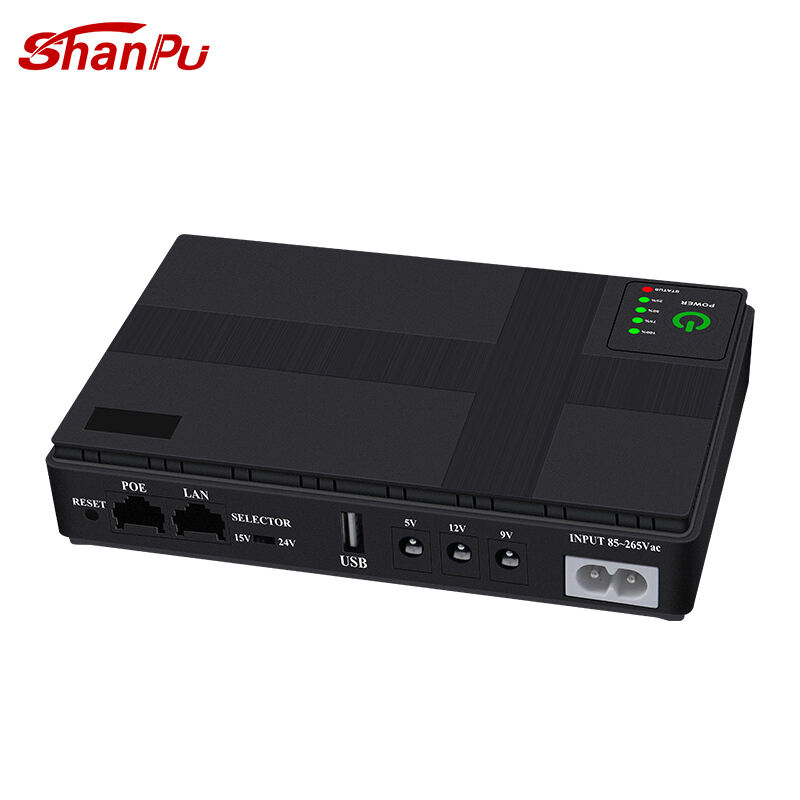
Our range of uninterruptible power supply solutions includes online ups, backup ups, mini ups, and industrial ups for various needs We offer reliable power protection with lithium battery, leadacid battery, and solar inverter options ensuring continuous performance across all applications
2f, Area B, No. 3, Wangting Road Guangzhou Guangdong China
Copyright © Shanpu Technology guangdong Co., Ltd. Privacy Policy
 EN
EN