


What is a UPS (Uninterruptible Power Supply)? And How to Choose the Right One for Your Needs
- Understanding UPS: Your Power Guardian
- Types of UPS Systems: Which One Fits Your Needs?
- 1. Standby (Offline) UPS
- 2. Line-Interactive UPS
- 3. Double-Conversion (Online) UPS
- How to Choose the Right UPS: A Step-by-Step Guide
- Step 1: Determine Your Power Requirements
- Step 2: Choose the Right UPS Type
- Step 3: Evaluate Runtime Needs
- Step 4: Prioritize Features
- Step 5: Consider Form Factor and Scalability
- Step 6: Brand and Support
- Common Mistakes to Avoid
- Final Thoughts
What is a UPS (Uninterruptible Power Supply)? And How to Choose the Right One for Your Needs
In today’s technology-driven world, power reliability is no longer a luxury—it’s a necessity. Whether you’re running a data center, protecting medical equipment, or simply safeguarding your home office setup, a sudden power outage or voltage fluctuation can lead to data loss, hardware damage, or even costly downtime. This is where a UPS (Uninterruptible Power Supply) steps in as an unsung hero. But what exactly is a UPS, and how do you select the right one for your needs? Let’s dive in.
Understanding UPS: Your Power Guardian
A UPS is a device that provides emergency power to connected equipment when the main power source fails. Unlike generators, which take time to start up, a UPS delivers instant backup power through its built-in batteries, ensuring uninterrupted operation during outages. However, its role goes beyond just bridging short gaps in power. Modern UPS systems also protect against common electrical disturbances, including:
Power surges/spikes : Sudden increases in voltage that can fry electronics.
Voltage sags/brownouts : Temporary drops in voltage that cause equipment to malfunction.
Frequency variations : Instabilities in power supply frequency, critical for sensitive devices.
Harmonic distortion : Irregular waveforms that degrade performance over time.
By filtering and regulating incoming power, a UPS acts as a shield, ensuring your devices receive clean, stable electricity at all times.
Types of UPS Systems: Which One Fits Your Needs?
Not all UPS systems are created equal. Depending on your requirements, there are three primary types to consider:
1. Standby (Offline) UPS
How it works : Normally routes power directly from the outlet to devices. Switches to battery mode only during outages or voltage fluctuations.
Best for : Home offices, personal computers, and small electronics.
Pros : Affordable, compact, and energy-efficient.
Cons : Slight delay (milliseconds) during switchover, making it less ideal for mission-critical systems.
2. Line-Interactive UPS
How it works : Includes a voltage regulator to adjust minor fluctuations without switching to battery mode. Activates batteries only for severe outages.
Best for : Small businesses, network equipment, and environments with frequent voltage instability.
Pros : Balances cost and performance, handles moderate power issues effectively.
Cons : Limited capacity for prolonged outages.
3. Double-Conversion (Online) UPS
How it works : Continuously converts AC power to DC and back to AC, isolating connected devices from raw utility power. Provides seamless transition during outages.
Best for : Data centers, medical facilities, industrial machinery, and mission-critical applications.
Pros : Zero transfer time, superior protection against all power anomalies.
Cons : Higher cost, larger size, and increased heat output.
How to Choose the Right UPS: A Step-by-Step Guide
Selecting a UPS requires careful consideration of your power needs, budget, and environment. Follow these steps to make an informed decision:
Step 1: Determine Your Power Requirements
Start by calculating the total wattage of the devices you plan to connect. Check the labels on your equipment for power ratings (in watts or volt-amps (VA)). Add these values together, then add a 20–25% buffer to account for future expansions or unexpected loads.
Example : If your computer, monitor, and router consume 300W collectively, look for a UPS with at least 375W capacity.
Step 2: Choose the Right UPS Type
Refer to the UPS types above to match your use case:
Home/Personal Use : Standby or line-interactive UPS.
Business/Critical Infrastructure : Line-interactive or double-conversion UPS.
Step 3: Evaluate Runtime Needs
How long do you need your devices to run during an outage? Runtime depends on battery capacity and load. Most UPS systems provide 5–30 minutes of backup—enough to save work and shut down safely. For extended coverage (e.g., servers), consider models with expandable battery banks.
Pro Tip : Use online runtime calculators provided by UPS manufacturers for precise estimates.
Step 4: Prioritize Features
Modern UPS systems offer advanced features to enhance usability:
LCD Displays : Real-time monitoring of power status and battery health.
Software Integration : Allows automatic shutdown of connected devices during prolonged outages.
Surge Protection : Protects against voltage spikes on data lines (e.g., Ethernet, coaxial).
Green Technology : Energy-saving modes to reduce electricity costs.
Step 5: Consider Form Factor and Scalability
Desktop UPS : Compact units ideal for individual workstations.
Tower/Rackmount UPS : Designed for server rooms or data centers.
Scalability : Opt for modular UPS systems if you anticipate future growth.
Step 6: Brand and Support
Stick to reputable brands like APC (Schneider Electric), Eaton, CyberPower, or Tripp Lite. These companies offer reliable warranties, customer support, and easy access to replacement batteries.
Common Mistakes to Avoid
Underestimating Power Needs : Overloading a UPS can lead to premature failure.
Ignoring Maintenance : UPS batteries typically last 3–5 years. Regular testing and replacement are crucial.
Choosing Price Over Quality : A cheap UPS might lack essential protections, risking your equipment.
Final Thoughts
A UPS is more than a backup battery—it’s an investment in reliability and peace of mind. By understanding your power requirements, selecting the right type, and prioritizing key features, you can safeguard your devices against unpredictable power events. Whether you’re protecting a single laptop or an entire data center, there’s a UPS tailored to your needs.
Ready to take control of your power stability? Explore our range of UPS solutions today and ensure your operations stay powered—no matter what.
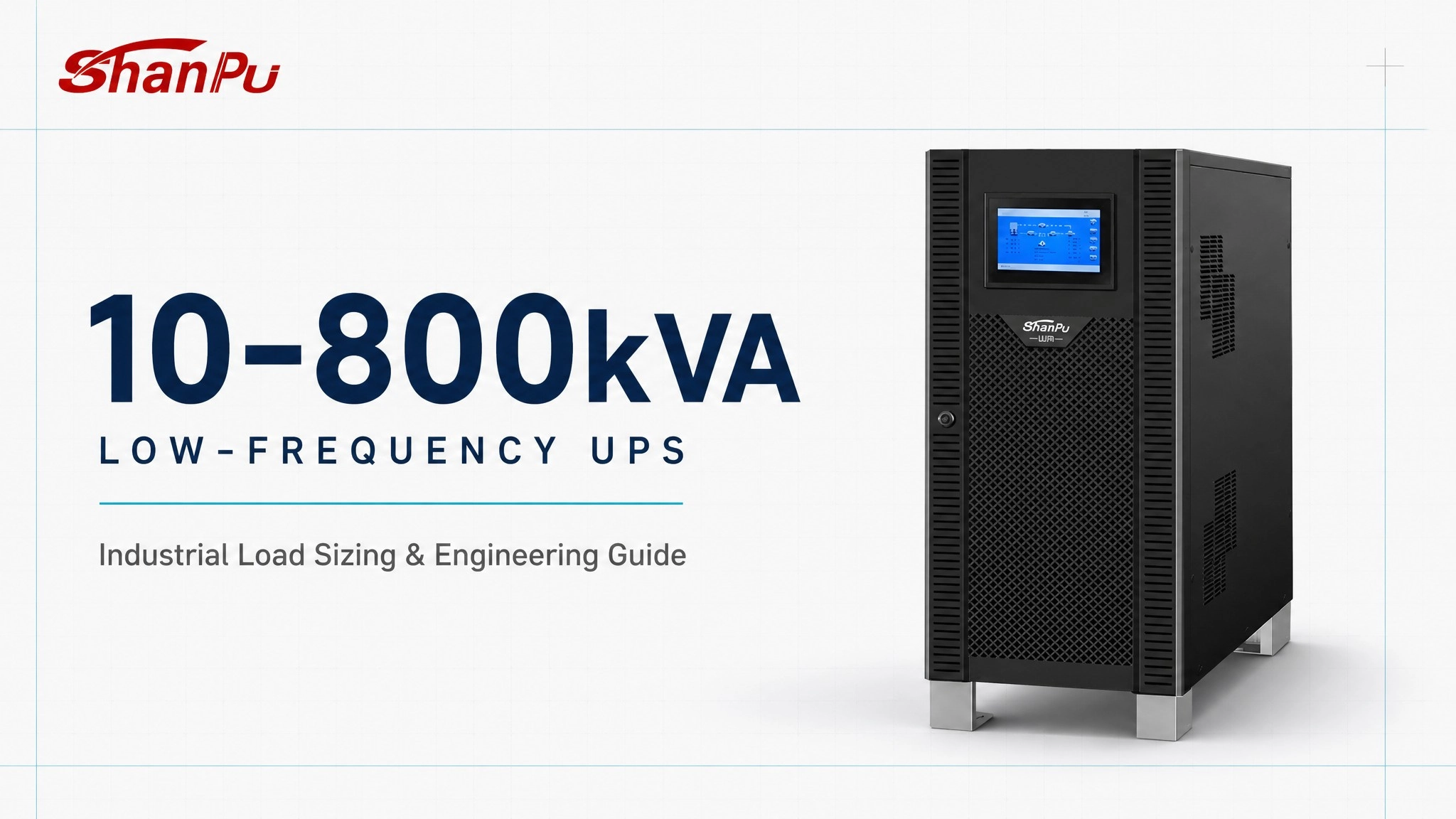
Low-Frequency UPS Engineering Guide: Sizing 10–800kVA Systems for Industrial Plant Loads
Voltage Sag Case Study: How a 1200kVA Modular UPS Project Was Rescued by Bus Distribution Box Selection
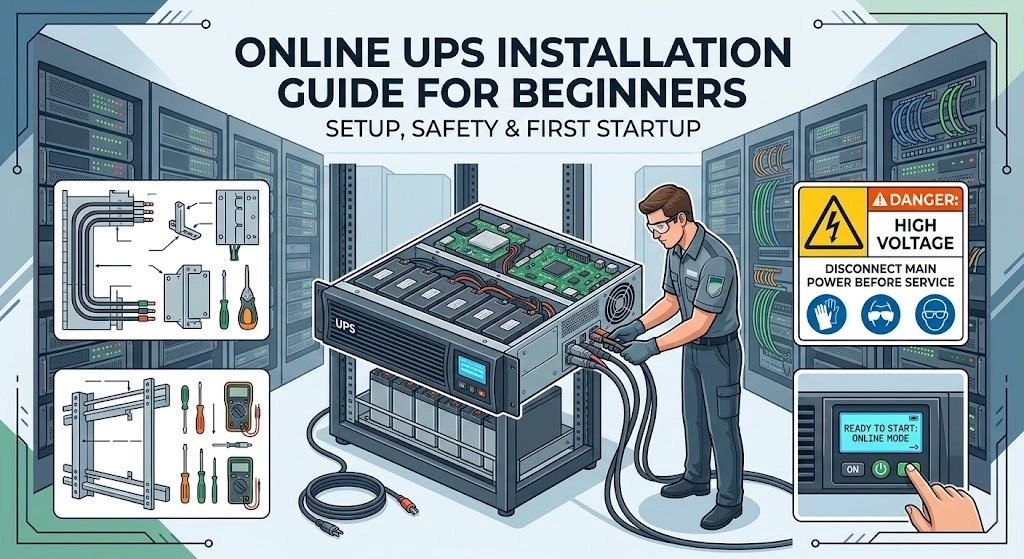
Online UPS Installation Guide for Beginners: Setup, Safety & First Startup
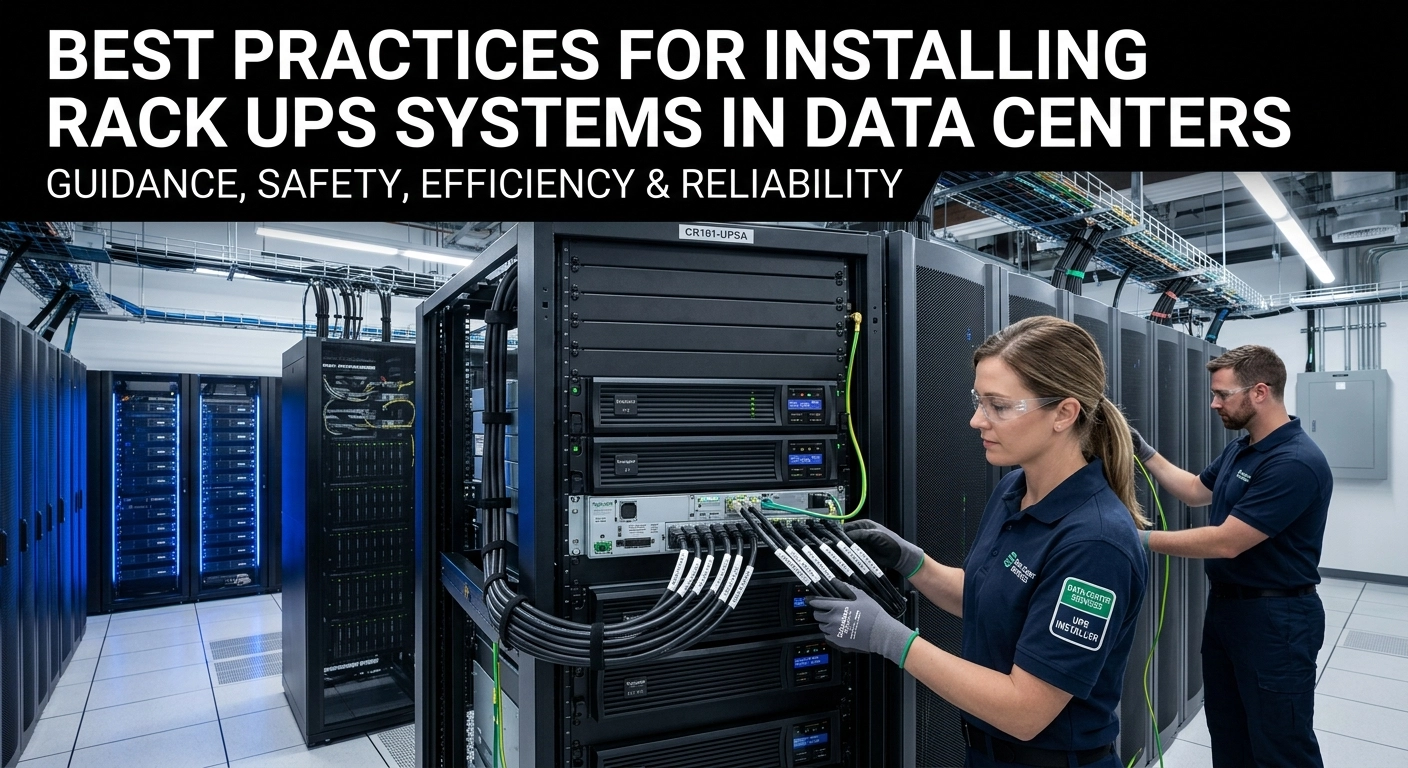
Best Practices for Installing Rack UPS Systems in Data Centers


Get in touch with us
If you have any comments or good suggestions, please leave us a message; later our professional staff will contact you as soon as possible.
© 2026 ShanPu. All Rights Reserved.
YouTube
SHANPU UPS
Shanpu