
Home / News / Industrial News
Understanding the difference between lead-acid and lithium batteries is fundamental as it affects their performance, efficiency, and safety. Lead-acid batteries utilize lead oxide and sulfuric acid in their electrochemical processes. On the other hand, lithium batteries, including the widely used lithium-ion variant, employ lithium compounds in their design. This fundamental difference influences their chemical reactions, with lead-acid batteries undergoing a conversion between lead and lead sulfate, while lithium-ion batteries involve the movement of lithium ions between electrodes. The different components and reactions result in distinct operational characteristics, tailoring each type for specific applications.
One significant advantage of lithium batteries over lead-acid ones is their higher energy density. Essentially, lithium batteries can deliver more energy per unit of weight and volume, making them highly suitable for portable and space-constrained applications. For instance, lithium-ion batteries typically exhibit an energy density ranging from 150 to 200 Wh/kg, compared to 30 to 50 Wh/kg for lead-acid batteries. This substantial energy density allows devices such as laptops, mobile phones, and electric vehicles to function longer on a single charge, underscoring their suitability for modern technology that demands efficiency and compactness.
The cycle life of a battery is another crucial factor when evaluating its longevity and usability. In this aspect, lithium batteries possess a clear advantage, often supporting over 2000 cycles, while lead-acid batteries typically last between 500 to 1000 cycles. Cycle life refers to the number of complete charge and discharge cycles a battery can undergo before its capacity significantly diminishes. Therefore, the superior cycle life of lithium batteries implies they can deliver consistent performance over a more extended period, minimizing the need for frequent replacements. This characteristic is particularly vital in critical applications where battery reliability is paramount, such as renewable energy storage and backups.
Depth of discharge (DoD) is a crucial parameter that determines the portion of capacity a battery can utilize before requiring a recharge. In this aspect, lithium batteries stand out by supporting a DoD of up to 80-90%, while lead-acid batteries are generally limited to around 50%. This higher DoD allows lithium batteries to maximize their usable capacity more effectively. Furthermore, many modern lithium batteries are engineered to maintain consistent performance even at deeper discharge levels, improving efficiency during times of lower charge.
Charging time and efficiency are pivotal when comparing lead-acid and lithium batteries. Lithium batteries charge considerably faster, often reaching full charge within 1-2 hours, whereas lead-acid batteries may require 8-12 hours to fully charge. The efficiency of lithium batteries exceeds 95%, contrasting with the 70-85% typical of lead-acid batteries. This high efficiency not only reduces charging time but also lowers long-term operational costs, making lithium batteries a more sustainable choice over time.
Temperature tolerance is another determinant of a battery's reliability. Lithium batteries are generally more adaptable, functioning effectively in a wider temperature range, from -20°C to 60°C. Lead-acid batteries, on the other hand, perform optimally between 0°C to 40°C and often suffer performance degradation when exposed to extreme temperatures. Thus, in environments with diverse and challenging conditions, lithium batteries offer a more robust and reliable solution.
Although lead-acid batteries are often cheaper upfront, lithium batteries prove more cost-effective over time. This is due to lithium batteries needing fewer replacements and requiring less maintenance compared to their lead-acid counterparts. In fact, research indicates that lithium batteries can yield savings of 25-30% over a decade, underscoring their value as a long-term investment. By opting for lithium solutions, businesses can potentially reduce operational costs and resource allocation dedicated to battery maintenance.
Lead-acid batteries demand routine upkeep, necessitating periodic electrolyte level checks and equalization charging. On the other hand, lithium batteries are virtually maintenance-free, requiring minimal oversight. This stark difference in maintenance demands has made lithium batteries particularly attractive in commercial settings where labor costs can be substantial. The ability to reduce maintenance workload means that organizations can focus more on core operations rather than battery upkeep.
While lead-acid batteries are frequently recycled, their use of hazardous lead poses environmental concerns. In contrast, lithium batteries offer a cleaner disposal process, although the mining of lithium used in these batteries raises sustainability questions. A balanced view is essential when assessing the environmental footprint of these battery types, weighing the advantages of recycling lead-acid batteries against the environmental considerations of lithium extraction and disposal. As industries strive for greener solutions, these factors play an integral role in decision-making processes.
By understanding these cost, maintenance, and environmental factors, businesses can make informed decisions about which battery technology best suits their needs, ultimately enhancing their operational efficiency and sustainability.
Lead-acid batteries are widely used in scenarios where low initial costs are imperative, making them a preferred choice for backup power systems and certain types of electric vehicles. Their robust nature and ability to provide high surge currents make them ideal for industrial applications where these attributes are critical. For instance, in environments requiring substantial power over short periods, such as forklifts and heavy machinery, lead-acid batteries excel due to their capacity to handle power fluctuations effectively. Their continued popularity in such settings underscores their reliability and cost-effectiveness despite newer technologies offering alternatives.
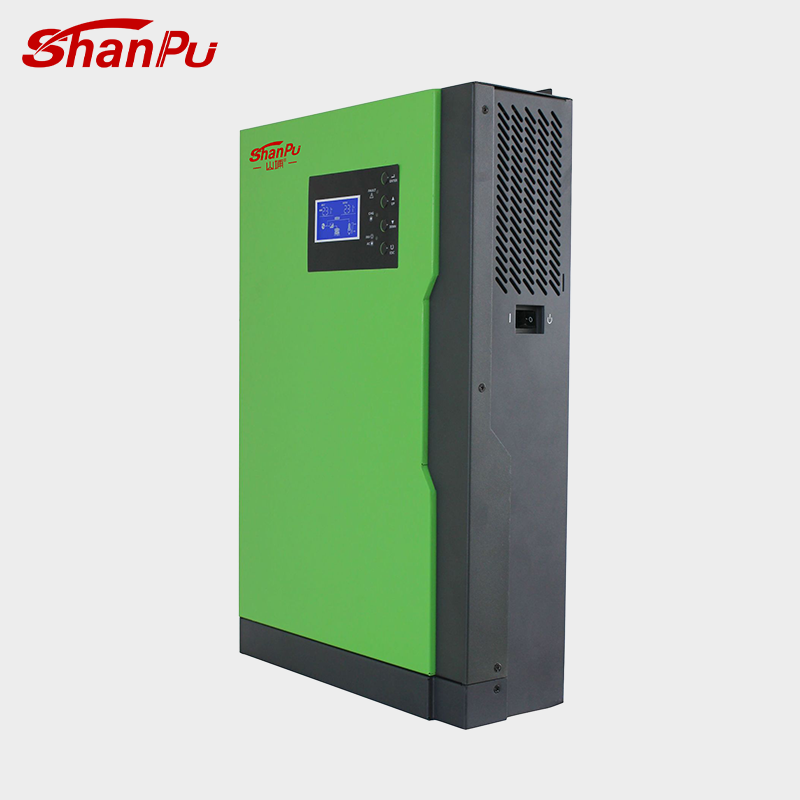
Lithium batteries have become increasingly popular for applications that demand lightweight and high-energy density solutions. Devices like smartphones, electric vehicles, and renewable energy systems rely on lithium batteries for their efficiency and long-lasting power. For example, in solar power systems, lithium batteries offer efficient energy storage, quick charging, and seamless integration with solar inverters. These features make them the best choice in ensuring consistent and reliable energy supply. Moreover, their extensive use in modern applications reflects their adaptability and superior performance compared to traditional battery technologies.
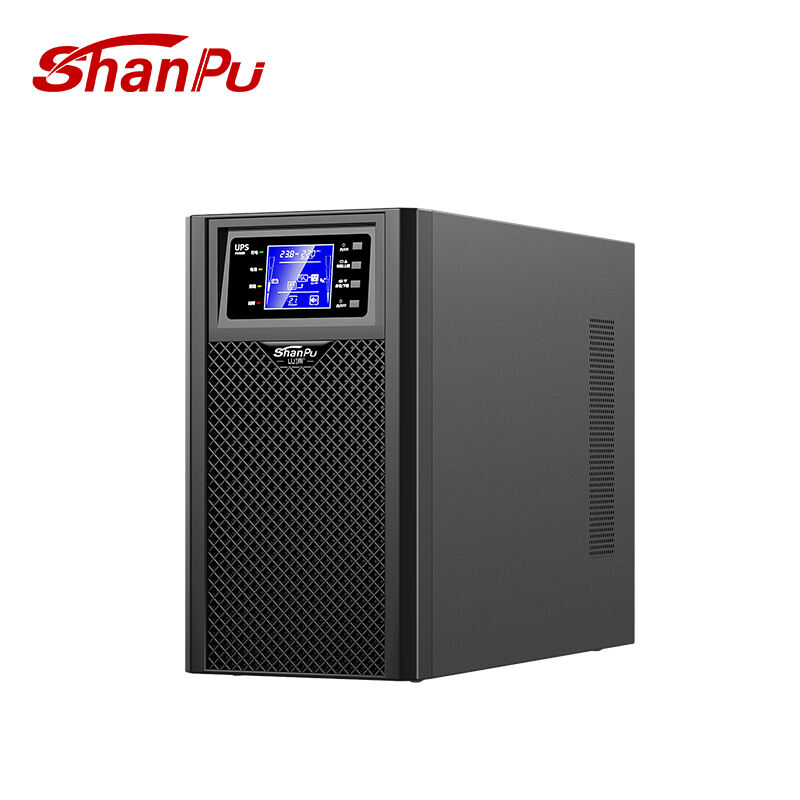
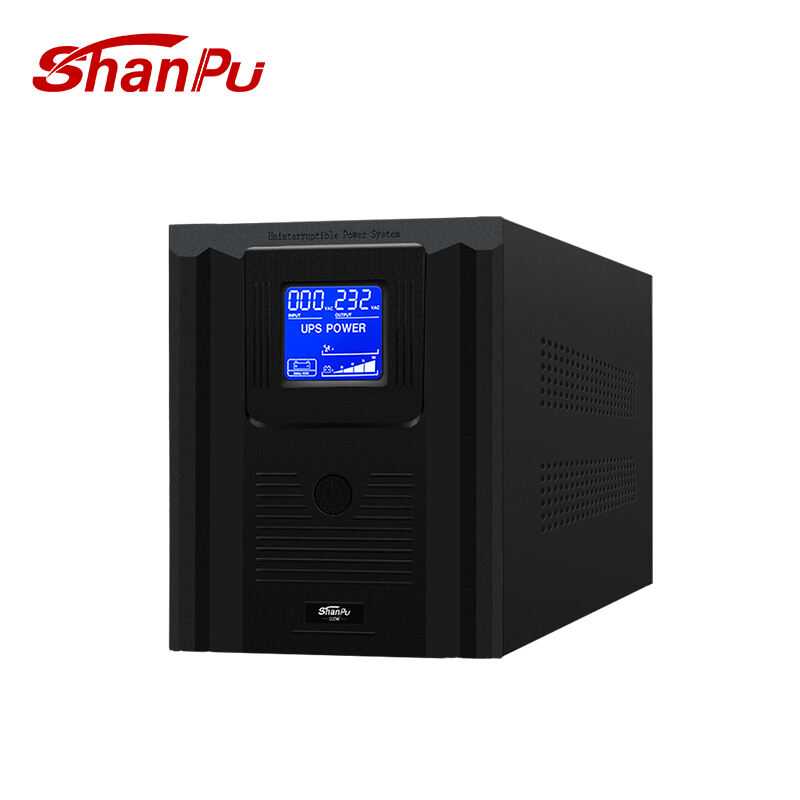
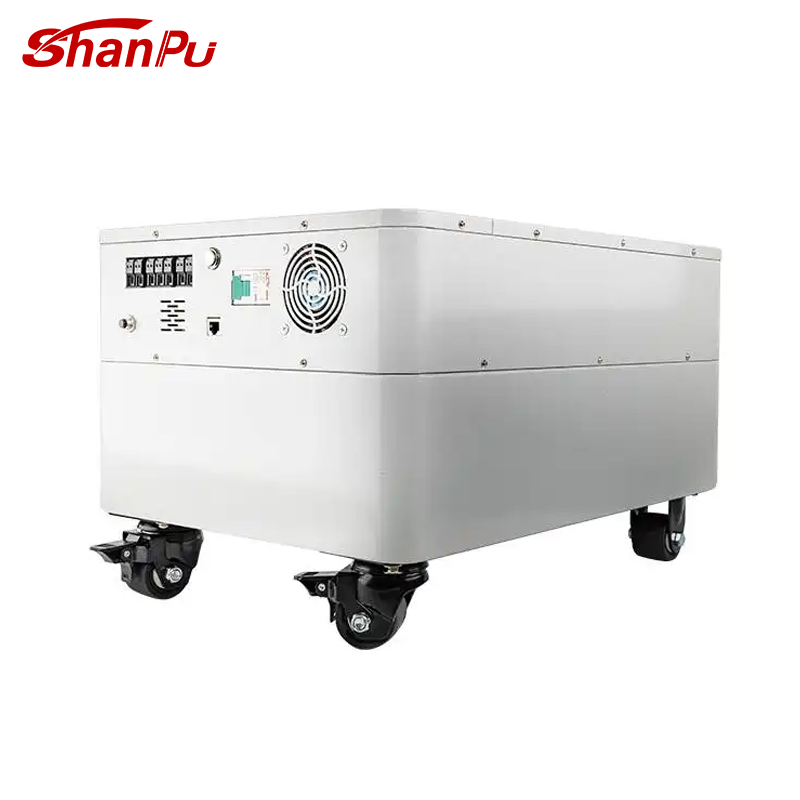
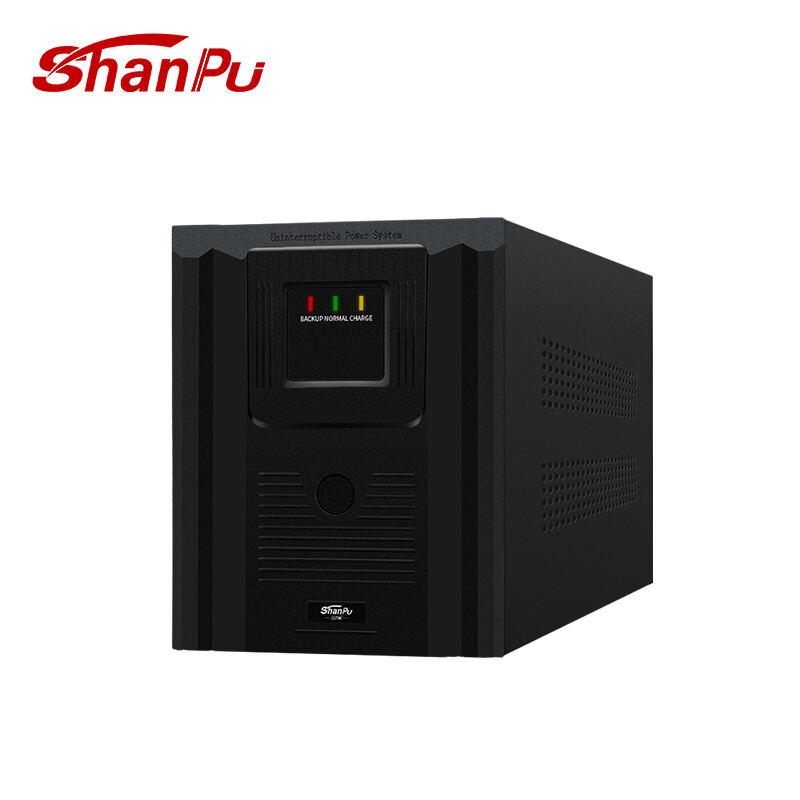
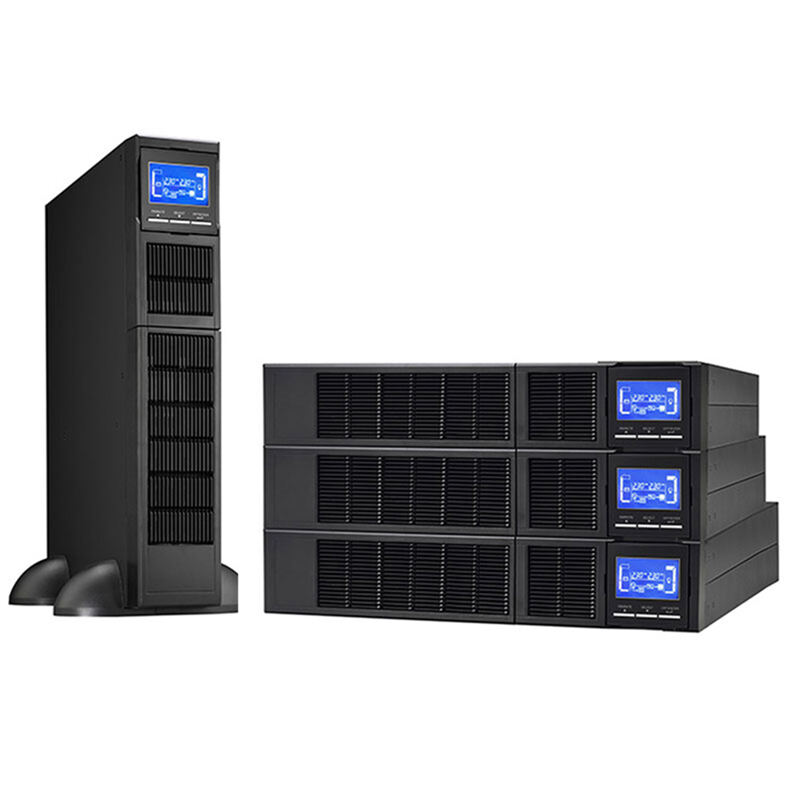
The C1KVA-3KVA model is a compact and effective solution, primarily tailored for residential use, offering dependable power backup through diverse input/output setups. Its suitability across varying home applications makes it a popular choice among homeowners. This model features advanced battery management systems that are designed to optimize performance while prolonging battery life. These systems ensure the longevity of the battery by minimizing wear and tear and managing power efficiently.
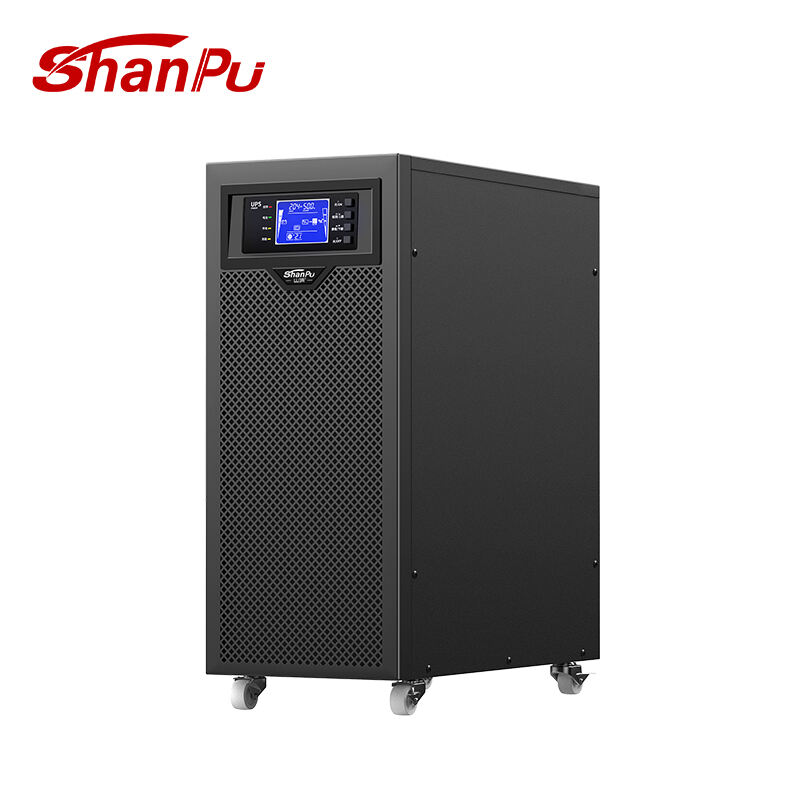
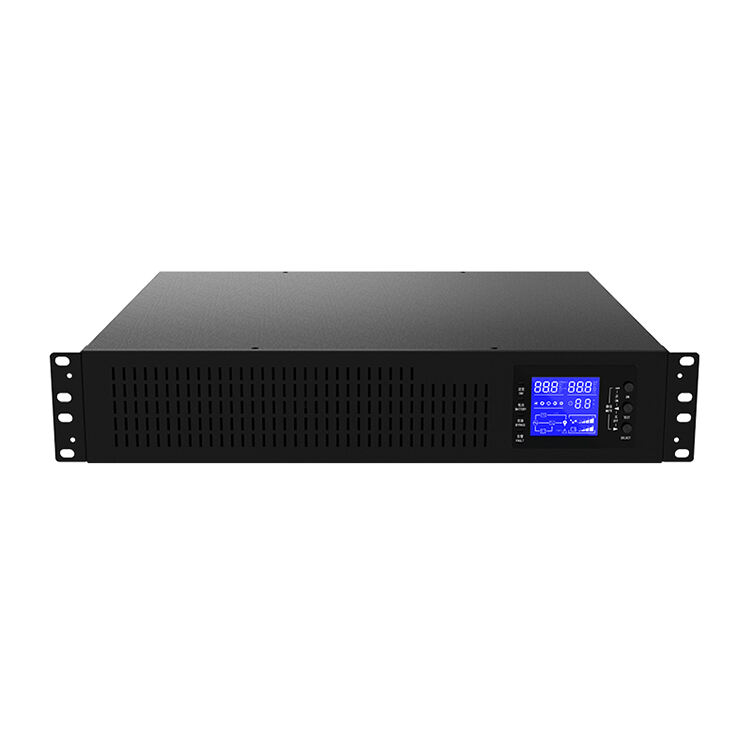
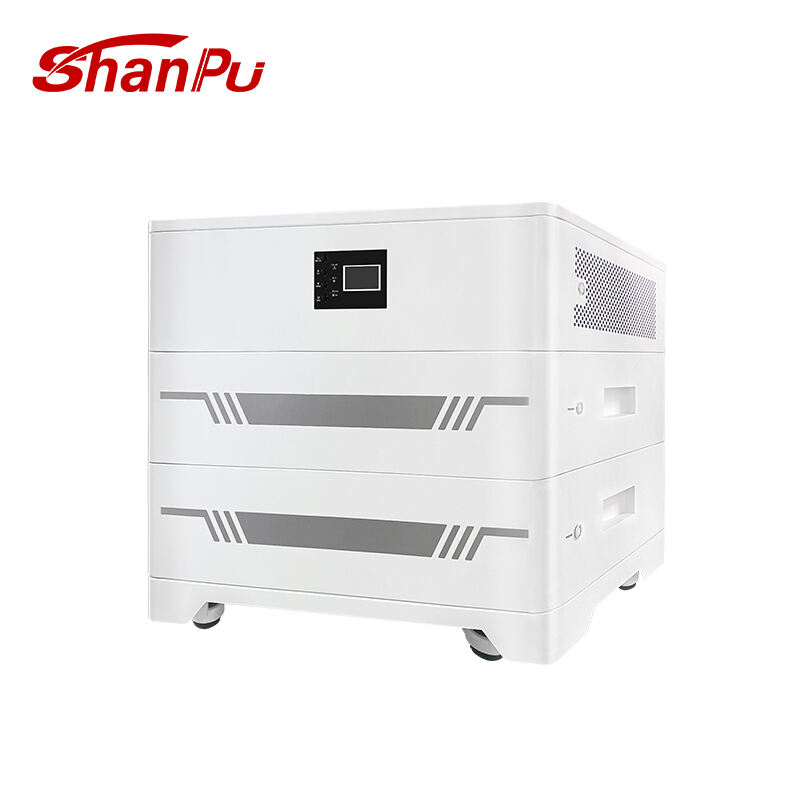
The C6KVA-30KVA model is crafted for larger installations, making it ideal for commercial and industrial applications which demand higher energy capabilities. Industries like manufacturing, as well as large solar setups, find this model particularly beneficial. It is engineered for resilience and exceptional energy efficiency, supporting significant operational enhancements. By effectively distributing power, the C6KVA-30KVA supports businesses in achieving their energy goals, leading to improved performance and reduced operational costs.
When selecting a battery type, it's crucial to consider multiple factors to ensure you choose the best fit for your application. Firstly, assess your energy needs by determining the amount of power required and the frequency of use. Second, consider your budget constraints, as some battery types might offer long-term savings despite higher upfront costs. Lastly, evaluate the expected lifespan and maintenance requirements. The decision largely depends on the operational context, helping you make an informed choice between lead-acid and lithium options.
To make an informed battery selection, evaluate both lead-acid and lithium types on key metrics. Start with the initial cost; lead-acid batteries are affordable, but lithium-ion batteries offer better long-term savings due to fewer replacements needed. Consider lifespan; lithium typically provides 5,000 cycles compared to 500-1,200 cycles for lead-acid batteries. For performance and environmental impact, lithium excels with higher efficiency and fewer emissions. Case studies indicate lithium batteries are superior in modern applications where efficiency and performance are crucial, such as solar energy systems and inverter setups.
 Hot News
2024-08-27
2024-08-27
2024-08-27
Our range of uninterruptible power supply solutions includes online ups, backup ups, mini ups, and industrial ups for various needs We offer reliable power protection with lithium battery, leadacid battery, and solar inverter options ensuring continuous performance across all applications
2f, Area B, No. 3, Wangting Road Guangzhou Guangdong China
Copyright © Shanpu Technology guangdong Co., Ltd. Privacy Policy
 EN
EN