Home / News / Industrial News
Solar inverters are crucial in enhancing the efficiency of solar energy systems by converting the direct current (DC) produced by solar panels into alternating current (AC) required for household and grid use. This conversion is essential because most home appliances and the power grid operate on AC power, making the inverter a key component in solar power systems. Without efficient inverters, the DC energy generated by solar panels would remain unusable for daily applications.
The efficiency of solar inverters significantly impacts the overall energy output of solar installations. High-efficiency models are capable of achieving conversion rates above 97%. This means that only a small fraction of energy is lost during the conversion process, allowing homeowners and businesses to maximize the power produced by their solar panels. Enhancements in inverter technology focus on minimizing energy loss, which directly translates to better performance and increased savings on energy costs.
Solar inverters also integrate Maximum Power Point Tracking (MPPT) technology to manage the power output of solar systems effectively. MPPT continuously optimizes the energy harvested from photovoltaic panels by adjusting the operating point to ensure maximum power extraction under varying environmental conditions. This technology is crucial for maintaining optimal solar power inverter performance, especially in fluctuating sunlight conditions. By leveraging MPPT, solar inverters ensure that every ray of sunlight hitting the panels is converted into the most usable energy, thus enhancing the overall system efficiency.
The efficiency of solar inverters is significantly impacted by temperature. Inverters generally operate optimally in temperatures ranging from 25°C to 40°C. Deviating from this range, especially when temperatures rise, can lead to reduced performance. This is due to the heat-induced increase in electrical resistance within the inverter, which can cause a decline in efficiency and potentially shorten the device's lifespan. Therefore, appropriate heat management strategies, like suitable placement and ventilation, are crucial to maintaining optimal performance.
Shading is another key factor affecting solar inverter performance. Shading hinders the amount of sunlight solar panels receive, decreasing their energy generation capacity. This reduced output directly affects the inverter's efficiency since less energy is available for conversion from DC to AC. Identifying shading patterns is essential for optimizing both inverter selection and placement to minimize these effects. For instance, microinverters can be beneficial in scenarios where panels are subjected to partial shading, as they optimize the output of individual panels independently.
Voltage matching is critical in ensuring maximum efficiency in solar energy systems. Mismatched voltages between solar panels and the inverter can lead to energy losses during conversion. This mismatch occurs when the voltage output of the solar panels does not align with the optimal input range of the inverter, resulting in performance inefficiency. Ensuring that the voltage output of the panels closely matches the inverter's input requirements can prevent these losses, optimizing the energy conversion process. Proper system design and regular maintenance can help mitigate the potential adverse impact of voltage mismatches on solar inverter performance.
Solar inverters are a crucial component of solar power systems, and understanding the types and their efficiencies can help optimize energy output. String inverters are the most common type due to their simplicity and cost-effectiveness. These inverters connect several solar panels (or "strings") to a single inverter. The primary limitation of string inverters is their performance in shaded conditions, as the shading of one panel can impact the entire string's output. This makes them best suited for installations with consistent sunlight and panel orientation.
Microinverters, on the other hand, offer enhanced efficiency by allowing each panel to independently optimize its energy output. This means that shading on one panel doesn’t affect the others, making microinverters ideal for complex roof layouts. They also enable individual panel performance monitoring, which can help identify and resolve potential issues early. While the initial cost is higher than string inverters, the increased energy capture can improve the overall return on investment over time.
Hybrid inverters are designed for systems incorporating both solar energy generation and battery storage, providing greater energy management and reliability. They facilitate the use of stored energy during periods of low solar production or power outages, making them highly beneficial in off-grid systems or as backup solutions. Hybrid inverters combine the benefits of traditional inverters with added flexibility for energy storage, thereby supporting energy independence and stability. Incorporating these inverters can significantly enhance the efficiency and adaptability of solar power systems.
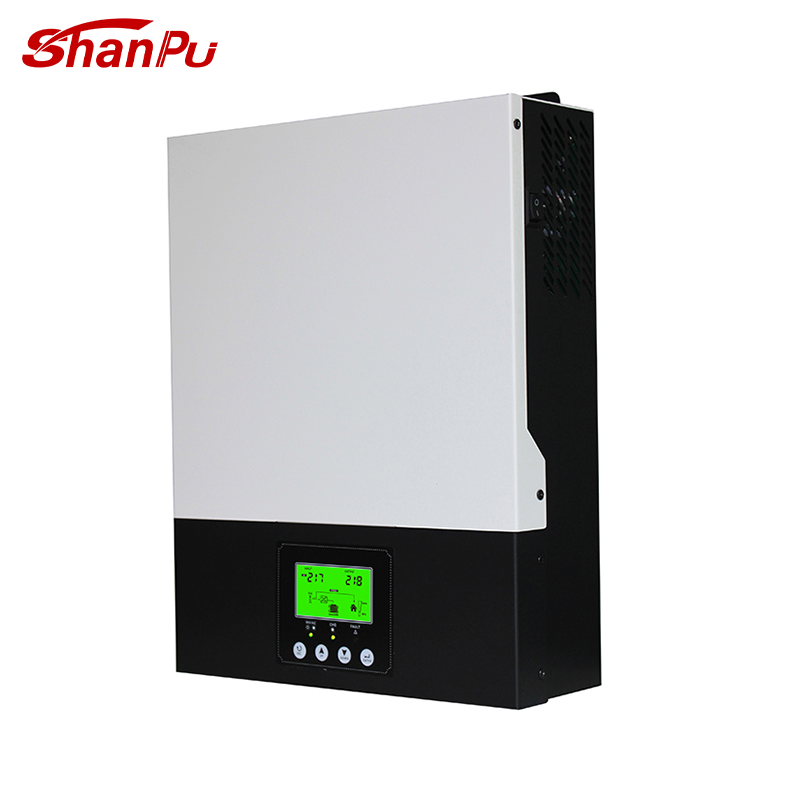
The SC-PU-4K/6K series inverters are meticulously designed for high efficiency and reliability, making them ideal for commercial systems that require a consistent energy supply. These models feature a maximum photovoltaic (PV) array power of up to 6000W, alongside an AC input voltage range suitable for both personal computers and household appliances. With a conversion efficiency of 93% and advanced Maximum Power Point Tracking (MPPT) technology, these inverters ensure optimal energy conversion even under variable conditions. Furthermore, they are equipped with multiple communication interfaces, accommodating diverse installation demands.
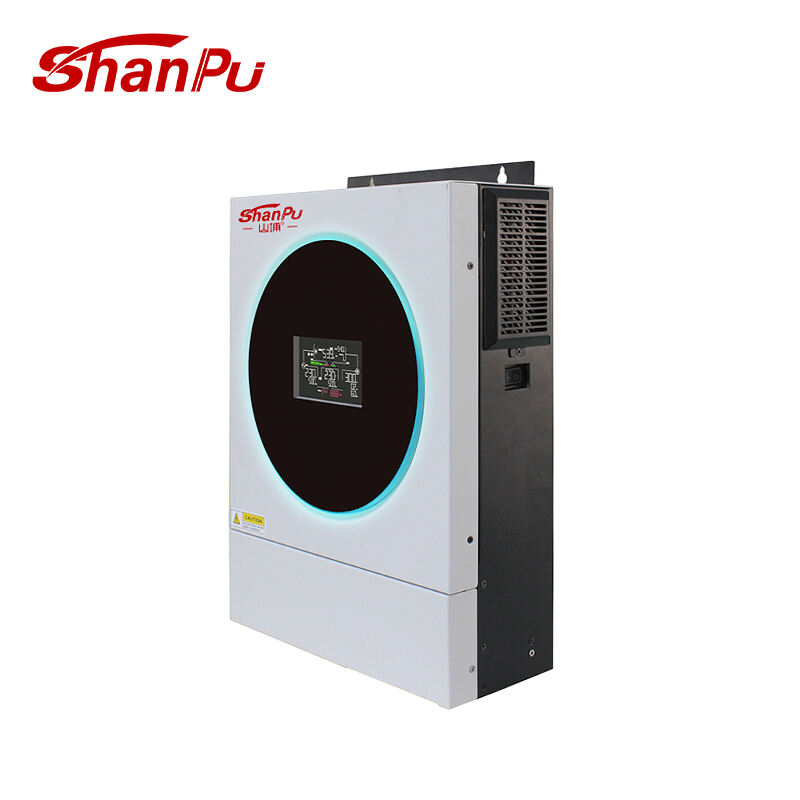
For smaller residential applications, the SC-PU 3.5K/5.5K models are optimized for adaptability and ease of installation. Suiting homes that require versatile energy solutions, these inverters boast an efficiency of 93% and are capable of handling up to 5500W of photovoltaic power. The inverters support both lead-acid and lithium battery types, offering flexible energy storage solutions. Their compact design and straightforward installation process make them an excellent choice for homeowners seeking to integrate solar energy into their power supply seamlessly.
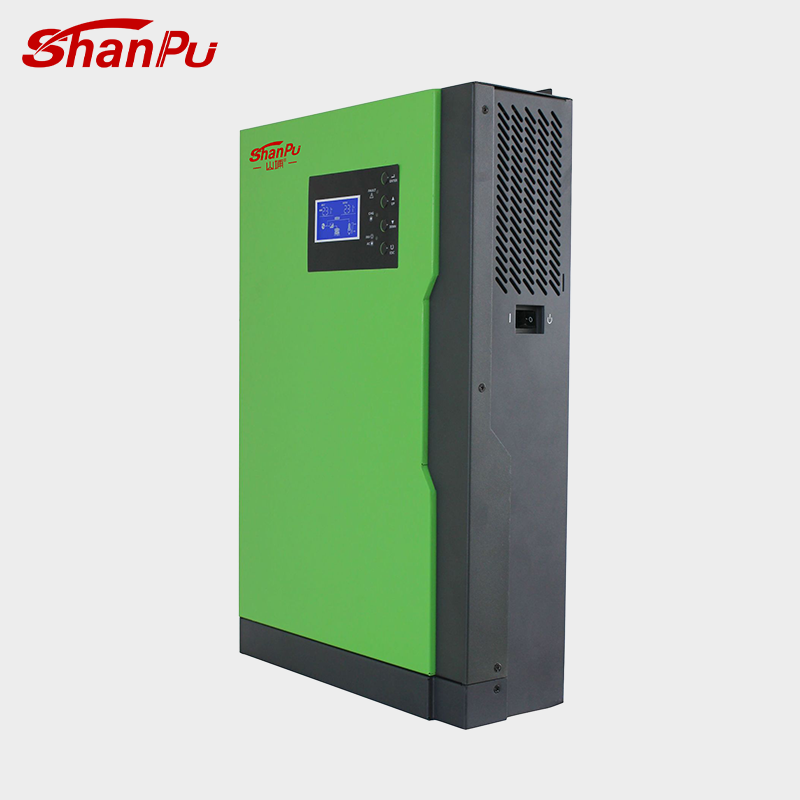
Lastly, the SC-PU 1.5K/3K series provides a compact and versatile solution for various applications. Despite its smaller size, this series does not compromise performance, delivering efficiencies of up to 91%. These inverters are especially suited for both residential and small commercial settings where space might be a constraint but reliability is crucial. With an emphasis on scalability, these inverters cater to the evolving energy needs of smaller systems.
Enhancing solar inverter performance is pivotal for maximizing energy efficiency in solar power systems. Regular monitoring and maintenance are essential practices aimed at ensuring that solar inverters operate at peak efficiency. This includes frequent software updates, visual inspections for signs of wear, and ensuring that the inverters are functioning correctly. By prioritizing routine checks, potential issues can be addressed early, thereby avoiding costly repairs and ensuring uninterrupted performance.
Upgrading to high-efficiency inverters can notably improve energy output while reducing long-term operational costs. As inverter technology advances, modern inverters offer enhanced energy management capabilities, making them a worthwhile investment. For instance, switching to new models, such as hybrid inverters or lithium battery inverters, can provide more reliable and efficient energy conversion. These upgrades facilitate better management of your solar power system, contributing to reduced reliance on grid electricity and saving costs over time.
Optimizing the placement of solar inverters is another crucial factor for enhancing performance. Installing inverters in shaded locations or areas with restricted airflow can significantly impede their efficiency. Proper site assessment ensures that the inverters are placed in locations conducive to optimal operation, such as cooler, well-ventilated areas. By doing so, you mitigate the risks of overheating and energy losses, ensuring that the solar power inverter for home or commercial use functions effectively and efficiently.
Incorporating these practices not only improves the reliability of your solar energy system but also contributes to substantial energy savings and a reduced carbon footprint.
Emerging trends in solar inverter technology are set to revolutionize the way we harness and manage solar power. One such trend is the increasing prevalence of smart inverters equipped with IoT capabilities. These advances allow for seamless remote monitoring and integration with smart home systems, thereby enhancing energy efficiency and reliability. With IoT technology, homeowners can now more effectively track and optimize their energy consumption, ultimately leading to a more sustainable future.
Furthermore, hybrid inverter technology is continuously advancing, significantly boosting energy storage capabilities. These improvements are particularly beneficial for those looking to adopt off-grid living. By enabling efficient storage and utilization of solar energy, hybrid inverters ensure a stable and consistent power supply, even during periods of limited sunlight. This makes solar energy systems more viable for remote and rural areas, reducing reliance on traditional power grids.
Solar inverters play a growing role in maintaining grid stability as the integration of renewable energy sources expands. As more solar power is fed into the existing grid, inverters are tasked with managing variability in energy outputs to stabilize the grid. By efficiently balancing supply and demand, inverters help to mitigate disruptions and ensure consistent power delivery. These innovations are paving the way for a resilient energy infrastructure essential as we transition to a renewable energy-dependent world.
 Hot News
2024-08-27
2024-08-27
2024-08-27
Our range of uninterruptible power supply solutions includes online ups, backup ups, mini ups, and industrial ups for various needs We offer reliable power protection with lithium battery, leadacid battery, and solar inverter options ensuring continuous performance across all applications
2f, Area B, No. 3, Wangting Road Guangzhou Guangdong China
Copyright © Shanpu Technology guangdong Co., Ltd. Privacy Policy
 EN
EN