


UPS Backup Power for Operating Rooms | ShanPu
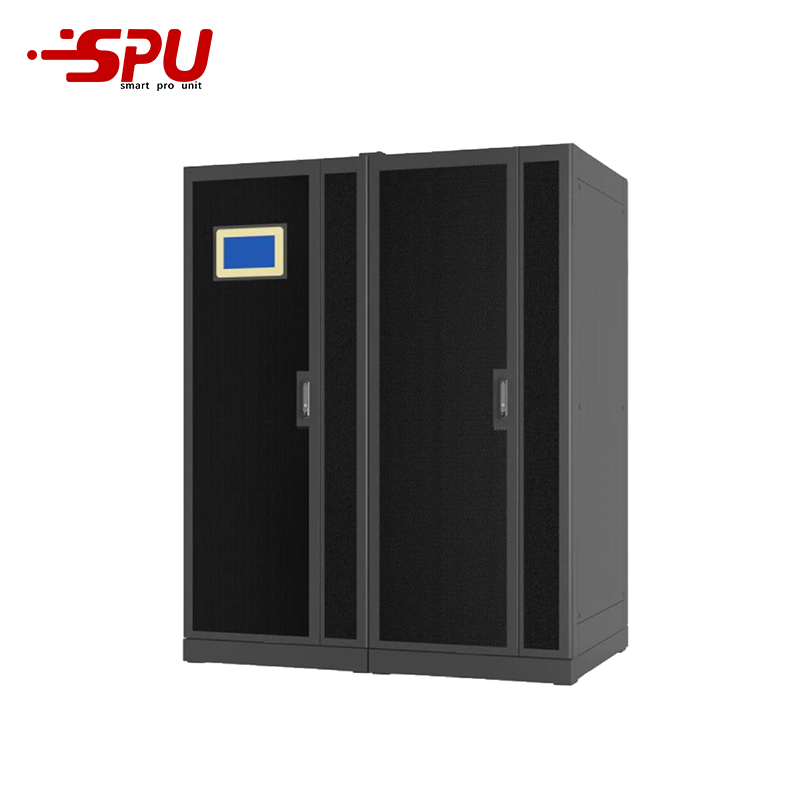
In an operating room, electrical continuity is more than a convenience. It supports essential monitoring, lighting, surgical technology, communications, and data systems when the utility supply becomes unstable or fails. ShanPu’s UPS solutions are designed to help healthcare facilities create a more resilient electrical environment, giving teams time to respond safely while reducing the risk of abrupt equipment shutdowns, corrupted data, or interrupted procedures.
Power Protection Designed for Clinical Continuity
Operating rooms contain a diverse mix of equipment, from sensitive electronic instruments to critical control and information systems. Each load may have different requirements for capacity, runtime, installation position, and power quality. A suitable uninterruptible power supply helps bridge the gap between a utility disturbance and the activation of standby generation, or supports connected systems during shorter interruptions.
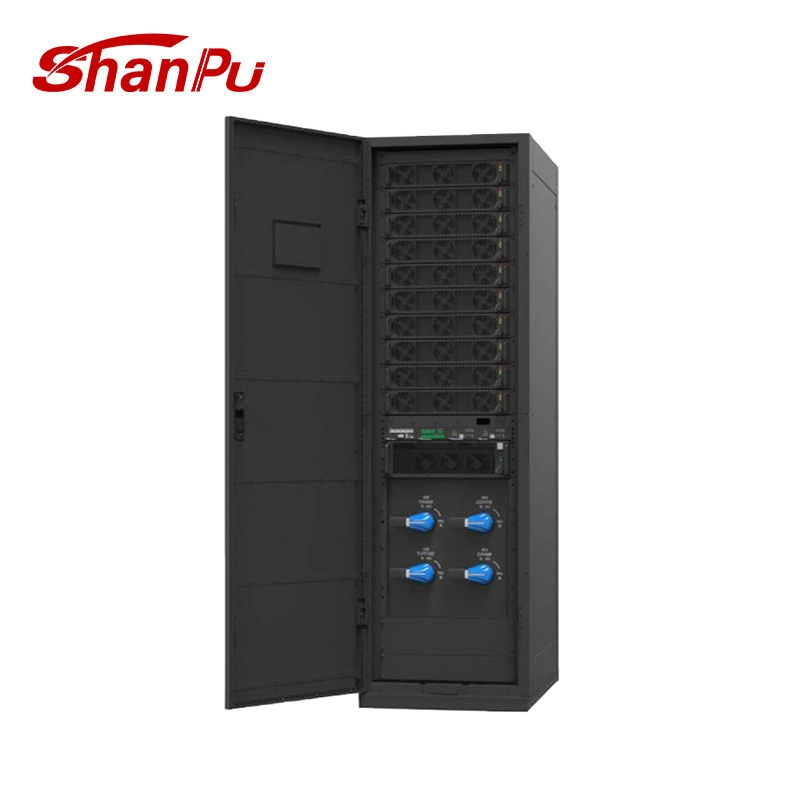
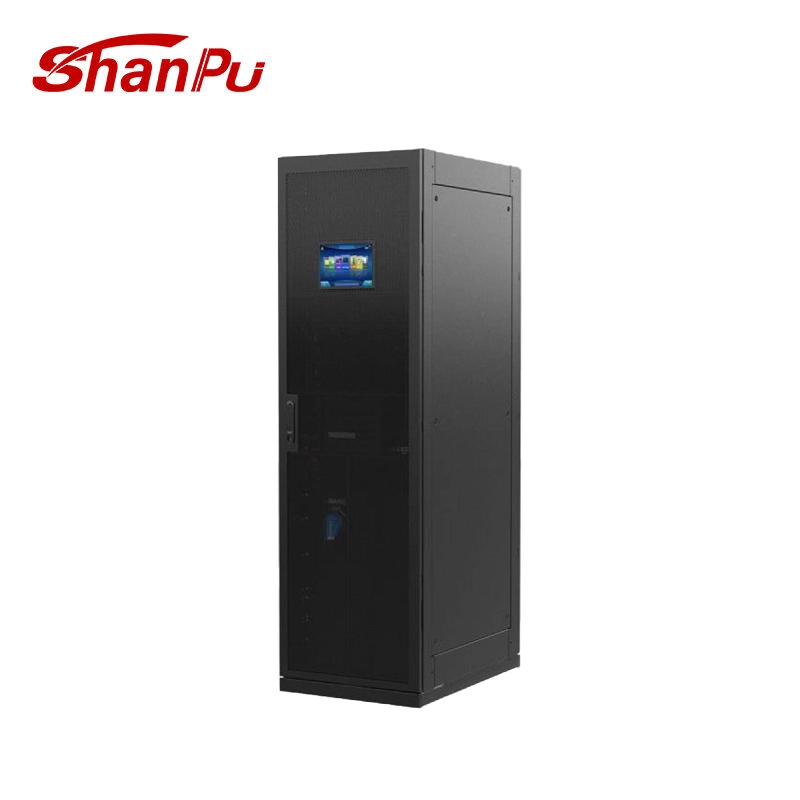
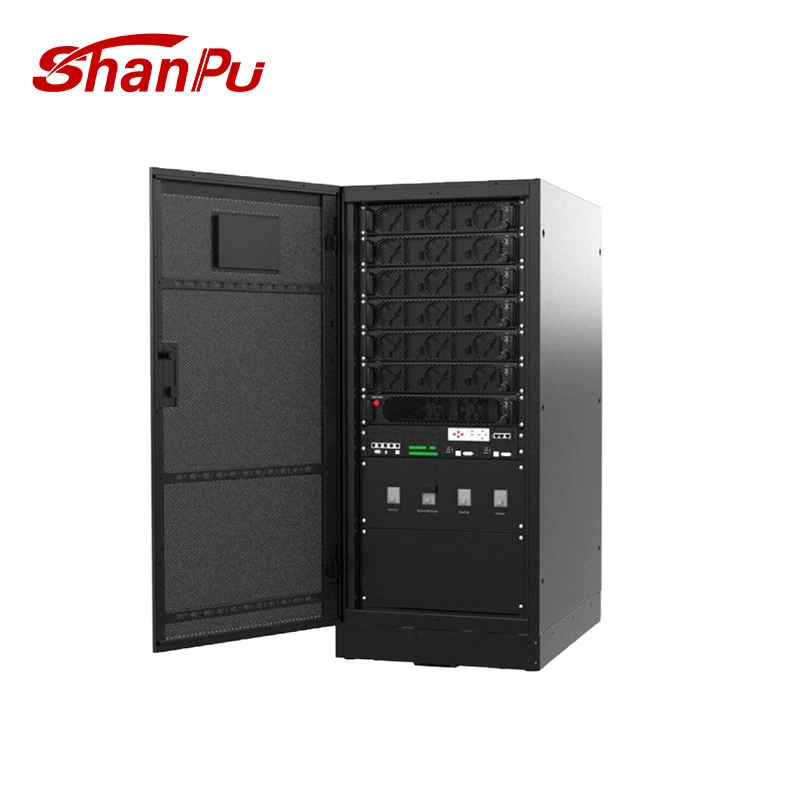
ShanPu offers a broad UPS portfolio that can support different facility layouts and operating priorities. Online UPS systems are often considered where continuous conditioning and a high level of protection are important. Rack-mounted models can suit communications, monitoring, and control equipment located in organized cabinet environments, while modular UPS systems can provide a flexible path for facilities that expect capacity growth or staged deployment. Standby solutions may be appropriate for selected non-critical or less sensitive loads, subject to professional assessment.
- Support for sensitive medical, monitoring, communication, and information technology loads
- Choices across online, standby, rack-mounted, and modular UPS configurations
- Scalable planning for changing equipment demand and facility expansion
- Power protection that can complement generator and facility electrical systems
How to Evaluate a Healthcare UPS Solution
The right system should be selected by looking beyond nominal output capacity. Facility teams should review the connected load, starting currents, criticality of each device, required ride-through time, available installation space, ventilation, maintenance access, and the relationship between the UPS and other emergency power equipment. Separating essential and non-essential loads can also help a facility direct protection where it has the greatest clinical value.
For operating-room applications, reliability planning should include clear maintenance procedures, battery replacement considerations, alarm visibility, bypass arrangements, and documented response responsibilities. UPS equipment does not replace a complete emergency power strategy, and final specifications should be reviewed by qualified electrical, biomedical, and healthcare infrastructure professionals in accordance with applicable local requirements.
ShanPu’s approach is centered on practical application rather than a one-size-fits-all recommendation. Its portfolio enables buyers to compare topology, installation format, and expansion strategy within one supplier relationship. This can simplify project coordination for hospitals, clinics, laboratories, and medical technology environments that need consistent power protection across multiple areas.
ShanPu Quality, Sustainability, and Service
Shanpu Technology (Guangdong) Co., Ltd. serves a range of demanding sectors, including government, finance, education, and manufacturing. That experience informs a disciplined approach to power continuity, product development, and customer support. The company’s ISO9001 quality management certification, ISO14001 environmental management certification, OHSMS18001 occupational health and safety certification, CE marking, and RoHS compliance demonstrate its focus on structured processes, responsible production, and international product expectations.
Sustainability is also part of the product philosophy. Energy-conscious power systems can help organizations manage resources more responsibly over the equipment lifecycle, while a considered capacity plan can reduce unnecessary oversizing. As one of the experienced inverter manufacturers and UPS specialists serving professional markets, ShanPu combines product choice with technical guidance, helping customers align protection with operational realities.
Through its 1+3 service model, ShanPu supports customers before purchase, during implementation, after installation, and through training. This continuity is particularly valuable in healthcare, where staff awareness, documented procedures, and timely service contribute to dependable operation. ShanPu’s culture of integrity, professionalism, and innovation reinforces its goal of becoming a trusted global UPS partner.
FAQ
Why is UPS backup power important in an operating room?
A UPS helps maintain continuity for connected medical, monitoring, communication, lighting, and information technology systems during power disturbances. It can reduce the risk of abrupt shutdowns and provide short-term ride-through while facility teams respond or standby generation starts. A UPS should be integrated into a complete, professionally designed emergency power strategy.
Which UPS topology is suitable for operating-room equipment?
There is no universal choice for every operating room. Online UPS systems may be appropriate for highly sensitive loads requiring continuous power conditioning, while rack-mounted units can suit equipment installed in cabinets and modular systems can support phased growth. Standby UPS products may serve selected lower-criticality loads. Qualified electrical and biomedical professionals should assess each connected load before specification.
How should a healthcare facility size a UPS for an operating room?
Sizing should consider the total connected load, power characteristics, starting currents, required runtime, future expansion, installation conditions, and which systems are clinically essential. Facilities should avoid relying only on a device nameplate rating and should evaluate load grouping, generator coordination, bypass arrangements, and maintenance access as part of the design review.
Can a UPS replace a hospital generator?
A UPS and generator perform different roles. The UPS provides immediate short-term continuity and power protection, while a generator is generally intended for longer-duration backup after startup. They are often planned as complementary elements, with compatibility and transition behavior reviewed by qualified facility engineers and according to applicable healthcare electrical requirements.
What support does ShanPu provide for UPS projects?
ShanPu supports customers through its 1+3 service model, covering pre-sales consultation, in-sales implementation support, after-sales service, and training. This approach helps customers evaluate application needs, coordinate deployment, establish operating knowledge, and maintain an appropriate support process throughout the UPS lifecycle.


© 2026 ShanPu. All Rights Reserved.
Facebook
YouTube
SHANPU UPS