


ShanPu Stacked Solar Storage System Solutions for Reliable Energy

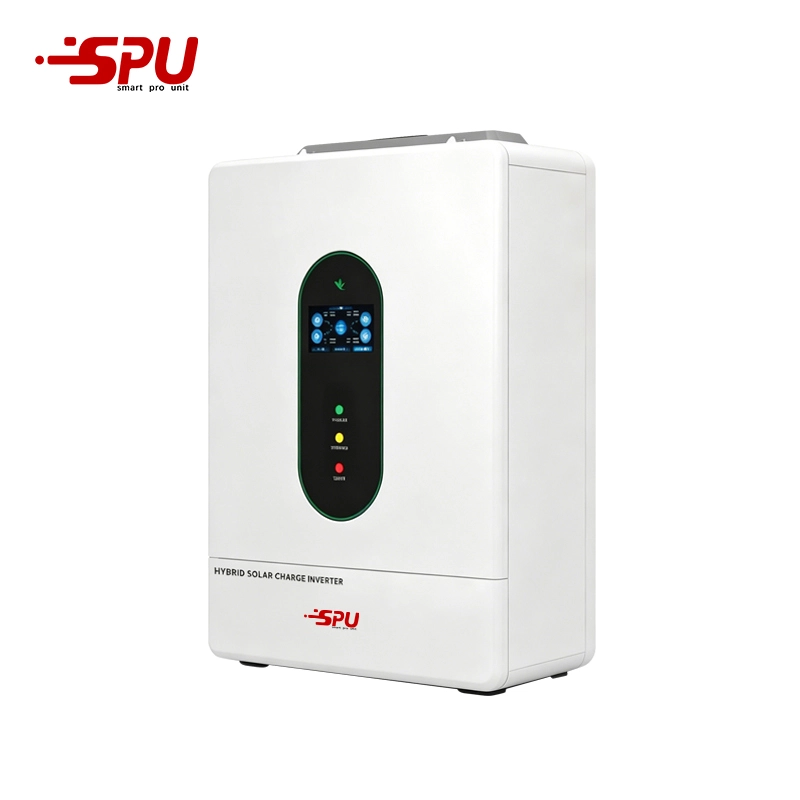
ShanPu brings together solar energy conversion, backup power expertise, and practical system design to help customers move toward more dependable and efficient electricity use. A stacked solar storage system typically combines battery modules in a vertical, space-conscious arrangement with the supporting inverter and control equipment needed to store and use solar power. This format can be especially attractive where floor area is limited, installation organization matters, or future capacity planning is important.
Build a More Flexible Solar Energy Strategy
Solar generation is naturally variable. Production changes with weather, daylight hours, and seasonal conditions, while household and commercial demand may peak at different times. Energy storage helps bridge that gap by retaining available solar power for later use. Depending on the system design and local regulations, stored energy may support evening consumption, reduce reliance on grid electricity, or provide backup during an outage.
The value of a vertically arranged battery solution is not limited to appearance. A well-planned configuration can make better use of available space and create a clear, structured installation footprint. It may also simplify capacity planning when the architecture supports additional modules. Buyers should confirm the approved expansion method, usable capacity, operating conditions, communication requirements, and compatibility between the battery, inverter, and energy management controls before ordering.
- Efficient use of installation space for residential, commercial, or light industrial environments
- Better alignment between solar production, energy demand, and backup priorities
- A structured approach to selecting storage capacity for present and future needs
- Potentially lower dependence on conventional electricity during selected operating periods
Why ShanPu Is a Practical Power Systems Partner
Shanpu Technology (Guangdong) Co., Ltd. is an established power systems company specializing in standby, online, and rack-mounted UPS products, solar inverters, and modular UPS solutions. Its experience serving government, finance, education, and manufacturing customers gives the brand a practical understanding of continuity, equipment protection, and dependable support. That broader perspective is valuable when energy storage must work as part of a complete power environment rather than as an isolated battery purchase.
ShanPu’s approach is grounded in integrity, professional development, and innovation. The company maintains a comprehensive talent development system and integrates training into daily operations, helping its teams deliver more consistent technical and customer support. Its ISO9001, ISO14001, and OHSMS18001 management certifications, together with CE and RoHS certifications, demonstrate a structured commitment to quality, environmental responsibility, occupational safety, and applicable product standards.
Sustainability is also central to the product philosophy. By helping customers use more of the renewable electricity they generate, energy storage can support more thoughtful resource management. Actual savings, backup duration, and environmental benefits depend on system size, usage patterns, local energy pricing, solar generation, and installation quality. ShanPu’s 1+3 service model covers pre-sales, in-sales, after-sales, and training support, giving buyers a clearer path from initial sizing to long-term operation.
Choose Storage with Long-Term Confidence
The right solar battery solution should be selected around real operating goals rather than headline capacity alone. Consider essential loads, expected outage duration, daily energy consumption, available solar generation, installation location, ventilation, maintenance access, and the need for future expansion. Commercial users should also review load profiles, operational criticality, and coordination with existing UPS or backup systems.
ShanPu helps customers approach these decisions with a complete power systems mindset. Whether the priority is renewable self-consumption, organized backup capability, space efficiency, or a scalable energy roadmap, the right configuration depends on careful assessment and professional guidance. This makes the category suitable for buyers who want dependable technology backed by an experienced inverter manufacturer and a service organization committed to sustainable growth.
Frequently Asked Questions
What is a stacked solar storage system?
It is an energy storage arrangement that places compatible battery modules in a vertical configuration, usually alongside a solar inverter and related control equipment. The design is intended to organize the installation efficiently while storing solar electricity for later use. Exact capacity, voltage range, expansion options, and operating features depend on the selected system.
Who can benefit from this type of energy storage?
Homes, offices, retail sites, workshops, and other facilities may benefit when they want to use more self-generated solar power, improve backup readiness, or make better use of limited installation space. Suitability depends on the site’s electricity demand, solar output, essential loads, local requirements, and available installation area.
How should I choose the right storage capacity?
Begin by reviewing daily consumption, the loads that must remain powered, expected backup duration, solar generation, and whether energy will be used primarily during the evening or during outages. A qualified provider should also assess inverter compatibility, usable rather than nominal capacity, operating conditions, and any plans to expand the system.
Can energy storage work with an existing solar installation?
It may be possible, but compatibility must be confirmed before purchase. The existing inverter architecture, battery communication protocol, voltage range, system controls, wiring, protection equipment, and local electrical rules all matter. Professional site assessment is the safest way to determine whether an AC-coupled, DC-coupled, or replacement configuration is appropriate.
What support should I expect from ShanPu?
ShanPu follows a 1+3 service model covering pre-sales consultation, in-sales coordination, after-sales support, and training. Customers can use this structure to clarify system selection, installation coordination, operating procedures, and maintenance expectations. Specific service scope should be confirmed with ShanPu or its authorized representatives for the intended market and project.
FAQ
What is a stacked solar storage system?
It is an energy storage arrangement that places compatible battery modules in a vertical configuration, usually alongside a solar inverter and related control equipment. The design is intended to organize the installation efficiently while storing solar electricity for later use. Exact capacity, voltage range, expansion options, and operating features depend on the selected system.
Who can benefit from this type of energy storage?
Homes, offices, retail sites, workshops, and other facilities may benefit when they want to use more self-generated solar power, improve backup readiness, or make better use of limited installation space. Suitability depends on the site’s electricity demand, solar output, essential loads, local requirements, and available installation area.
How should I choose the right storage capacity?
Begin by reviewing daily consumption, the loads that must remain powered, expected backup duration, solar generation, and whether energy will be used primarily during the evening or during outages. A qualified provider should also assess inverter compatibility, usable rather than nominal capacity, operating conditions, and any plans to expand the system.
Can energy storage work with an existing solar installation?
It may be possible, but compatibility must be confirmed before purchase. The existing inverter architecture, battery communication protocol, voltage range, system controls, wiring, protection equipment, and local electrical rules all matter. Professional site assessment is the safest way to determine whether an AC-coupled, DC-coupled, or replacement configuration is appropriate.
What support should I expect from ShanPu?
ShanPu follows a 1+3 service model covering pre-sales consultation, in-sales coordination, after-sales support, and training. Customers can use this structure to clarify system selection, installation coordination, operating procedures, and maintenance expectations. Specific service scope should be confirmed with ShanPu or its authorized representatives for the intended market and project.



© 2026 ShanPu. All Rights Reserved.
Facebook
YouTube
SHANPU UPS