


ShanPu Sealed Lead Acid Batteries for UPS Systems

ShanPu provides a focused approach to backup power, helping organizations select dependable energy storage for UPS installations where continuity matters. A sealed lead acid battery for ups systems is valued for its enclosed construction, straightforward maintenance requirements, and suitability for standby applications. When paired with an appropriately designed UPS, it can help keep essential equipment operating during interruptions, voltage disturbances, and short-duration outages. For businesses, this means more time to protect data, complete controlled shutdowns, or maintain critical processes instead of reacting to sudden power loss.
Reliable Backup Energy for Practical UPS Requirements
UPS battery selection is not simply a question of capacity. The right solution must align with the UPS model, electrical configuration, available installation space, expected backup duration, ambient conditions, and the importance of the connected load. Offices may need dependable protection for network equipment and communications, while manufacturing facilities, financial organizations, schools, and government departments may have stricter continuity and recovery requirements.
Sealed lead acid technology remains a practical choice for many standby power environments because it is familiar to service teams and can be integrated into a wide range of UPS architectures. Its enclosed format supports cleaner installation than open battery arrangements, while its established use across backup power applications makes planning, replacement, and routine inspection more predictable. Buyers should still confirm voltage, capacity, terminal configuration, cabinet dimensions, charging requirements, and the manufacturer’s recommended operating conditions before making a selection.
- Suitable battery planning for standby, online, rack-mounted, and modular UPS environments
- Consideration of runtime, load profile, installation space, and operating temperature
- Practical support for offices, data-related equipment, public services, education, finance, and manufacturing
- A clear focus on compatibility, serviceability, safety, and lifecycle value
Why Choose ShanPu for UPS Power Protection
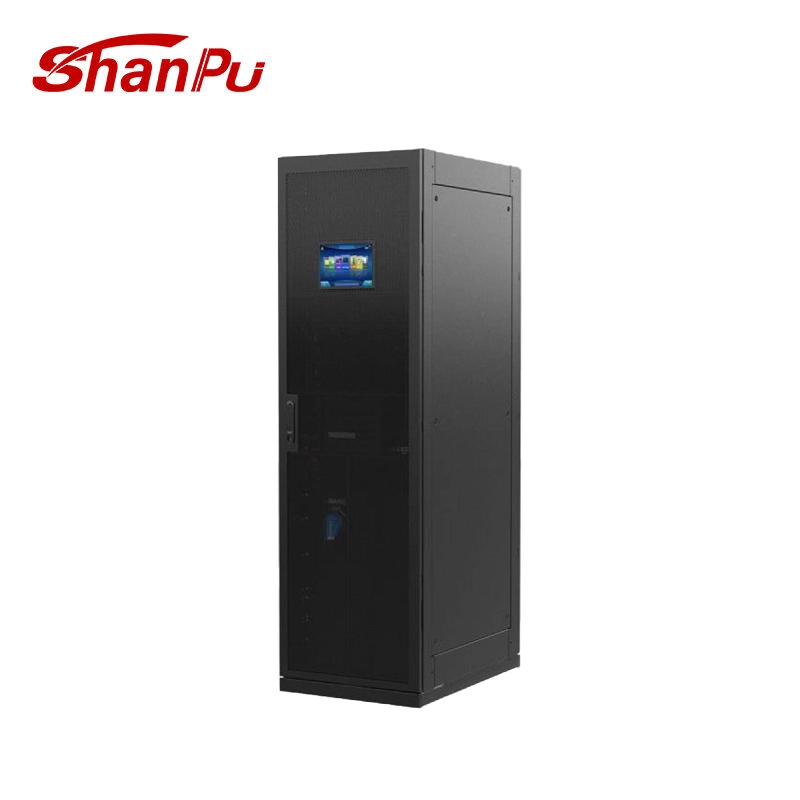
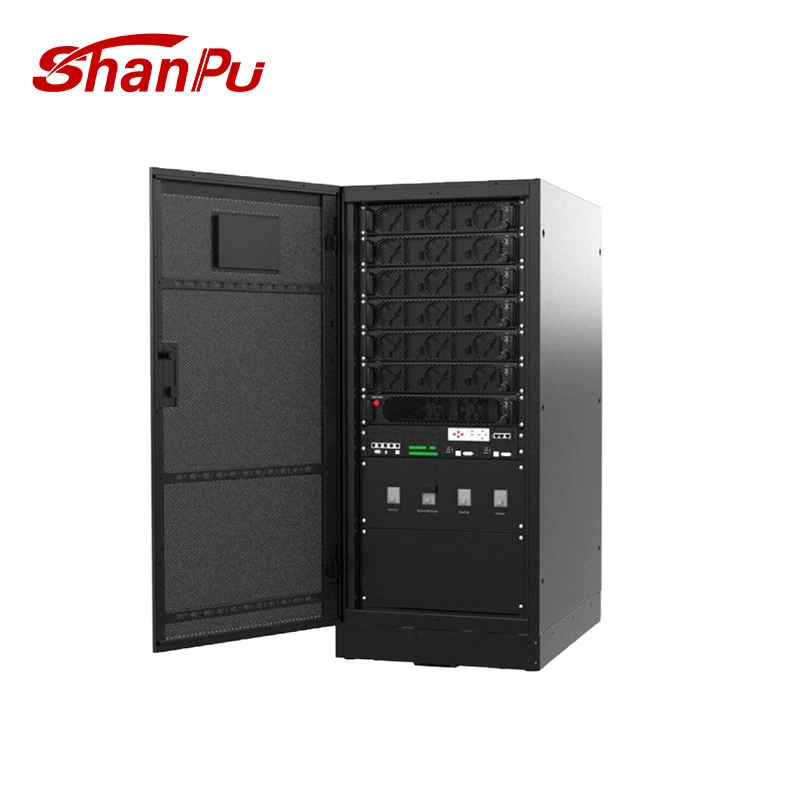
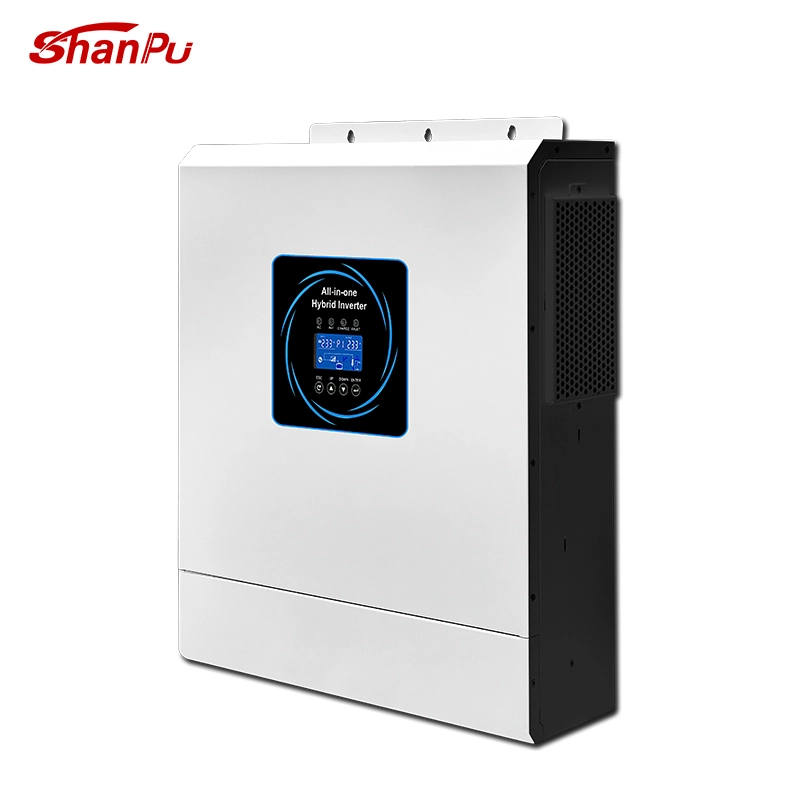
Shanpu Technology (Guangdong) Co., Ltd. specializes in power systems, including standby UPS, online UPS, rack-mounted UPS, solar inverters, and modular UPS. This broader system knowledge matters because battery performance cannot be separated from the UPS charger, load behavior, transfer strategy, monitoring functions, and installation environment. ShanPu’s category approach is therefore centered on helping customers build a coherent power protection solution rather than treating the battery as an isolated component.
ShanPu serves demanding sectors such as government, finance, education, and manufacturing, where dependable power protection supports operational stability and responsible risk management. Its quality and environmental management framework includes ISO9001, ISO14001, and OHSMS18001, alongside CE and RoHS certifications. These credentials reflect the company’s stated commitment to quality management, occupational safety, environmental responsibility, and compliance with relevant international expectations. Certification does not replace correct system design, but it provides useful reassurance when comparing suppliers.
The company also emphasizes sustainability by developing products intended to save resources and reduce environmental impact. For buyers, this encourages a more complete view of value: dependable performance, appropriate sizing, responsible maintenance, and a replacement plan all influence the real environmental and financial cost of a UPS installation.
Selection Guidance and Long-Term Support
A reliable battery program begins with accurate application information. Before requesting a quotation, customers should document the UPS rating, nominal DC voltage, connected load, desired runtime, installation location, ambient temperature, expansion plans, and any monitoring or cabinet requirements. This information enables a more meaningful recommendation and reduces the risk of choosing a battery that is technically compatible but poorly matched to the operating objective.
Routine care is equally important. UPS batteries should be inspected according to the UPS and battery manufacturer’s guidance, with attention to alarms, abnormal heat, swelling, corrosion, connection condition, and declining runtime. Replacement decisions should consider measured performance and operational risk rather than age alone. A planned replacement schedule can help prevent unexpected downtime and improve budgeting for critical infrastructure.
ShanPu supports customers through its “1+3” service model, covering pre-sales, in-sales, after-sales, and training services. Its talent development system integrates training into daily operations, reinforcing a culture built on integrity, professionalism, and innovation. For organizations comparing inverter manufacturers and UPS suppliers, this combination of product expertise, structured service, and application-focused communication can make procurement and ongoing support more confident and efficient.
FAQ
What is a sealed lead acid battery for UPS systems used for?
It stores electrical energy so a UPS can supply connected equipment when utility power fails or becomes unstable. Typical applications include network equipment, office systems, communications, manufacturing controls, and other loads that need time for continued operation or a controlled shutdown.
How do I choose the right UPS battery configuration?
Confirm the UPS model, nominal DC voltage, required runtime, connected load, battery capacity, terminal arrangement, cabinet dimensions, charging requirements, and installation conditions. Sharing these details with the supplier helps ensure the battery configuration is compatible with the complete UPS system rather than selected on capacity alone.
Are sealed lead acid batteries maintenance-free?
They generally require less routine maintenance than open battery types because the electrolyte is enclosed, but they are not maintenance-free in an operational sense. Users should follow the UPS and battery manufacturer’s guidance, monitor alarms and runtime, inspect connections and physical condition, and keep the installation within the recommended environmental range.
When should UPS batteries be replaced?
Replacement should be based on manufacturer guidance, inspection results, runtime performance, test data, operating temperature, and the criticality of the connected load. Signs such as reduced backup time, abnormal heat, swelling, corrosion, or repeated battery alarms require prompt evaluation by qualified personnel.
Can ShanPu help with UPS battery selection and service?
ShanPu Technology provides pre-sales, in-sales, after-sales, and training services through its “1+3” service model. Customers can provide their UPS model, load, runtime target, installation conditions, and expansion plans so the appropriate battery approach can be evaluated alongside the broader UPS and power protection system.


© 2026 ShanPu. All Rights Reserved.
Facebook
YouTube
SHANPU UPS