


ShanPu Pure Sine Wave Power Stations for Clean, Dependable Power
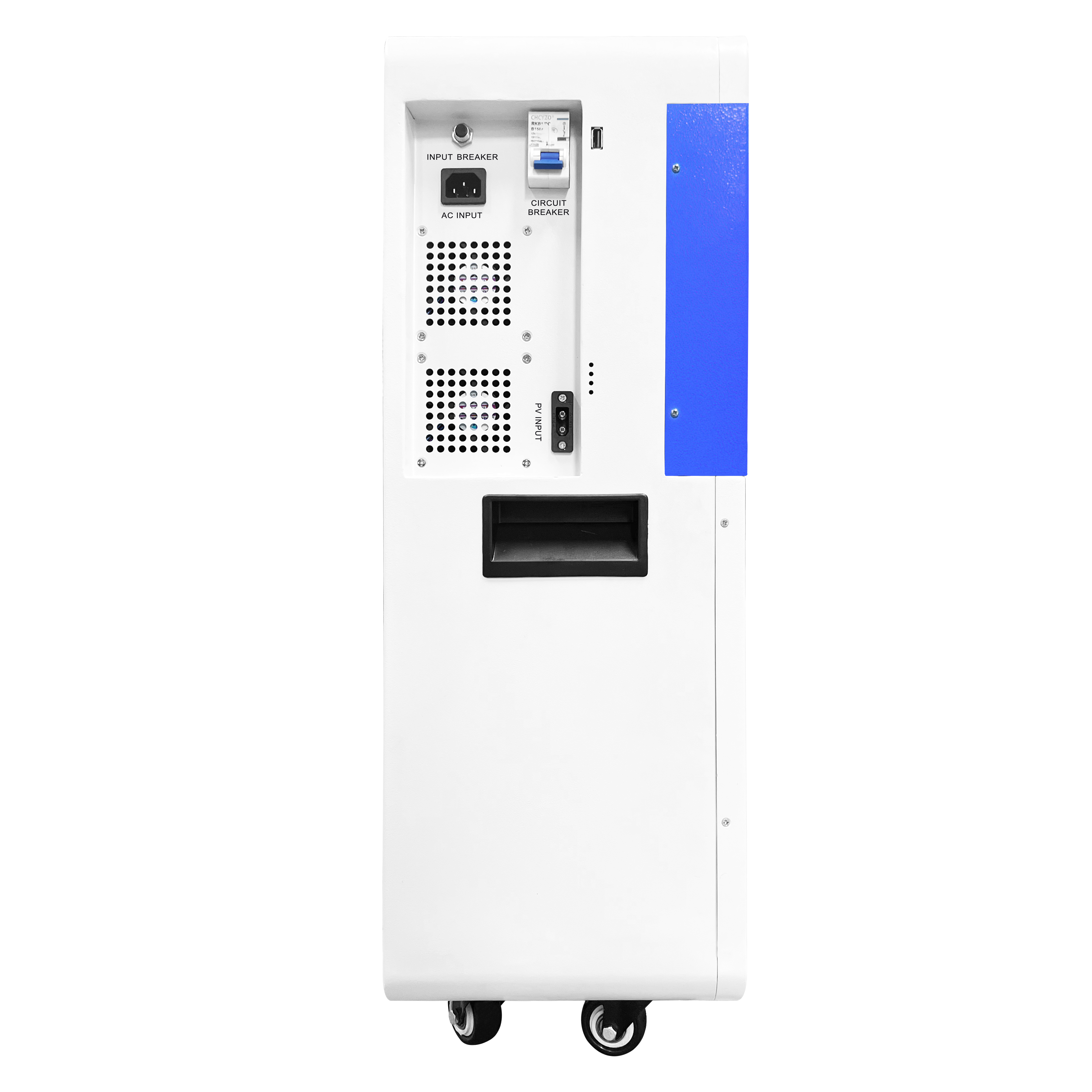
ShanPu power solutions are built for people and organizations that cannot afford unreliable electricity. A Pure Sine Wave Power Station produces smooth, utility-like AC output that is well suited to many sensitive devices, including computers, communication equipment, displays, medical-support electronics, and precision appliances. By focusing on clean energy delivery rather than short-term convenience alone, this category helps users protect equipment, maintain productivity, and stay prepared when grid power is interrupted or unavailable.
Clean, Stable Power for Everyday and Professional Needs
Power quality matters whenever equipment contains advanced electronics, motors, chargers, or control systems. Irregular output can create unwanted noise, charging inefficiency, unexpected shutdowns, or additional stress on connected devices. A properly designed pure sine wave system offers a more consistent electrical waveform, giving users greater confidence when powering valuable technology.
For households, a portable or backup power solution can support essential communication, lighting, computing, and entertainment during outages. For businesses, it can help keep point-of-sale equipment, network devices, monitoring systems, and workstations operating through short interruptions or planned field operations. The right choice depends on the equipment load, expected runtime, portability requirements, and available charging methods rather than headline capacity alone.
- Clean AC output for compatible sensitive electronics and appliances
- Practical support for backup power, remote work, travel, and field activity
- Flexible evaluation based on wattage, runtime, recharge time, and connectivity
- A power architecture that can complement broader UPS and renewable-energy strategies
How to Choose the Right ShanPu Power Solution
Start by listing the devices that must remain operational and identifying their running and starting power requirements. Some appliances, especially those containing compressors or motors, draw substantially more energy when starting. Allowing a sensible reserve helps prevent overloads and gives the system room to handle changing demand.
Runtime is equally important. Battery capacity indicates how much energy is stored, while actual operating time depends on load, conversion efficiency, battery condition, temperature, and operating settings. Buyers should compare realistic use cases instead of relying only on a maximum runtime statement. Consider whether the system will be used occasionally for emergency readiness, regularly in a mobile workspace, or as part of a more structured business continuity plan.
Charging and service considerations should also influence the decision. Look for a configuration that fits the available electrical infrastructure and operational schedule. Users with more demanding continuity requirements may benefit from discussing the relationship between a power station, standby UPS, online UPS, rack-mounted UPS, solar inverter, or modular UPS with a qualified supplier. This broader perspective is one reason experienced inverter manufacturers are valuable: the best solution is shaped by the complete power environment, not a single device.
ShanPu Engineering, Responsibility, and Support
Shanpu Technology (Guangdong) Co., Ltd. brings established power-system experience to this category. Its portfolio includes standby, online, and rack-mounted UPS products, solar inverters, and modular UPS solutions serving government, finance, education, manufacturing, and other demanding environments. That background supports a practical understanding of availability, equipment protection, lifecycle planning, and application-specific power needs.
Quality and responsible manufacturing are central to ShanPu’s approach. The company maintains ISO9001, ISO14001, and OHSMS18001 management certifications, while its products carry international compliance credentials such as CE and RoHS where applicable. These standards reflect attention to quality management, environmental responsibility, workplace safety, and product compliance; they should still be reviewed against the exact model and market requirements before purchase.
ShanPu also emphasizes resource efficiency and reduced environmental impact through ongoing product development. Its talent-development system combines training with daily operations, supporting a skilled and cohesive team. Through its “1+3” service model, customers receive pre-sales, in-sales, after-sales, and training support. This combination of engineering knowledge and service continuity helps buyers make informed choices and use their power equipment with greater confidence.
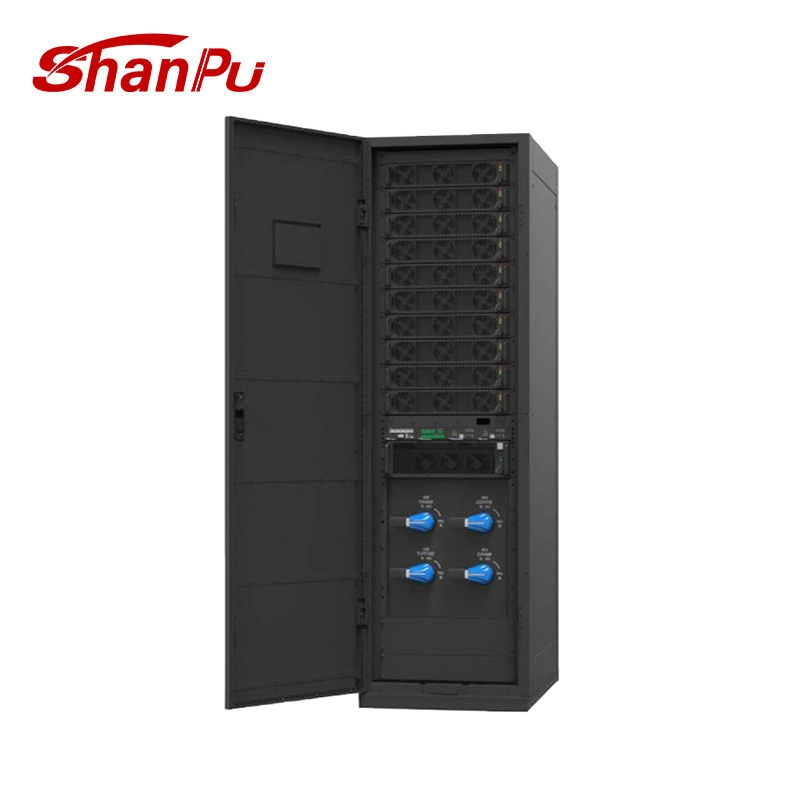
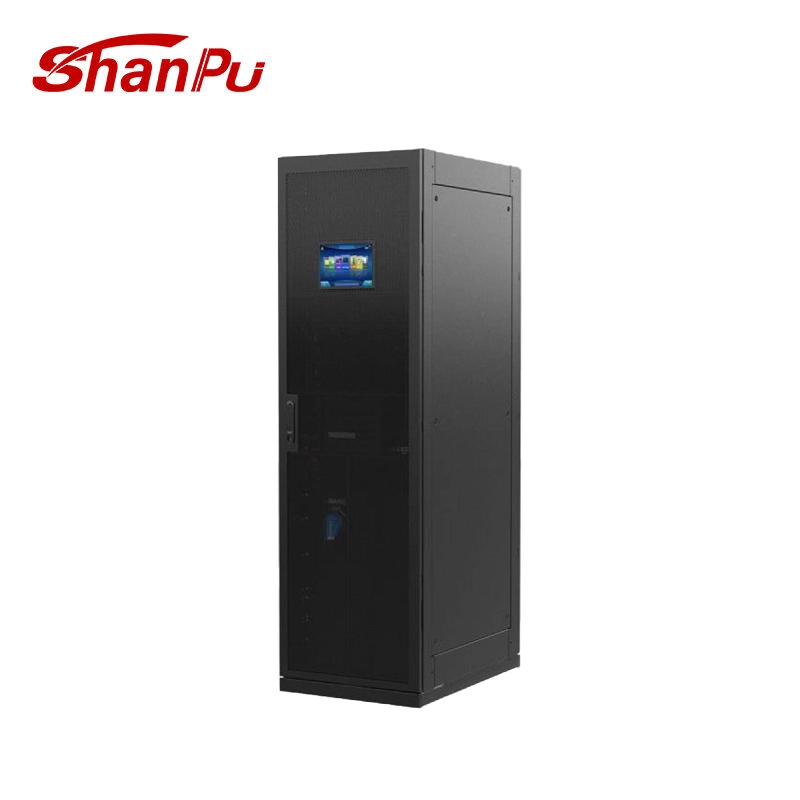
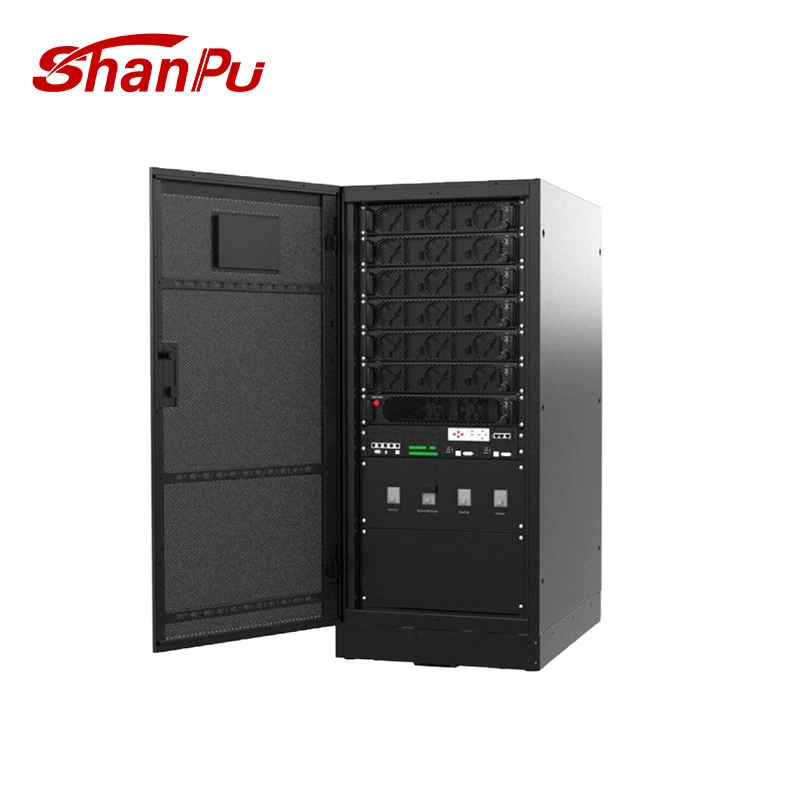
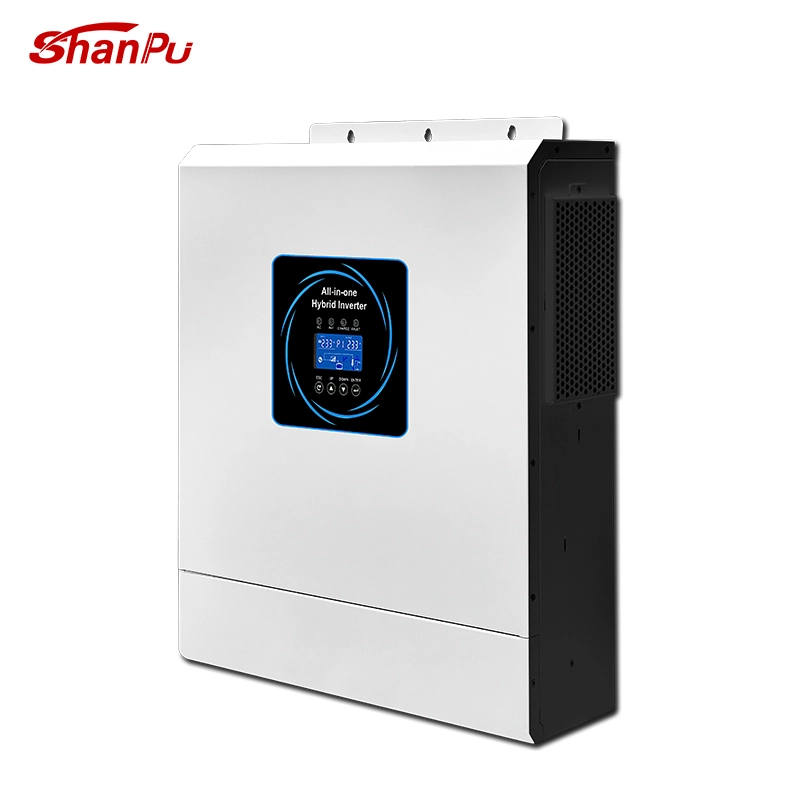
Pure Sine Wave Power Station Display

FAQ
What is a pure sine wave power station?
It is a power system designed to provide a smooth AC waveform similar to utility electricity. This type of output is generally appropriate for many sensitive electronic devices, appliances with motors, chargers, and equipment that may operate poorly with lower-quality waveform types. Always confirm the connected device requirements and the exact specifications of the selected model.
Why should I choose pure sine wave output for sensitive electronics?
Sensitive electronics can respond better to stable, clean power, helping reduce the risk of operational noise, charging problems, unexpected interruptions, or compatibility concerns. Pure sine wave output is not a substitute for correct sizing, surge capacity, grounding, or protection features, so the complete specification should be checked before purchase.
How do I determine the capacity I need?
Add the running wattage of the devices you plan to operate and account for their starting or surge demand. Then consider the desired runtime, conversion losses, battery condition, and a reasonable reserve. A qualified supplier can help assess the complete load profile, especially when motors, compressors, medical-support equipment, or business-critical systems are involved.
Can a power station replace a UPS?
Not automatically. A power station may provide backup energy, but a UPS is specifically designed around continuity, transfer behavior, equipment protection, and the requirements of a defined electrical installation. The appropriate solution depends on the application, transfer-time sensitivity, load type, runtime objective, and required monitoring or integration. ShanPu’s UPS expertise can help determine whether one system or a combined approach is more suitable.
What support does ShanPu provide when selecting a power solution?
ShanPu follows a “1+3” service model covering pre-sales, in-sales, after-sales, and training support. Customers can use this service structure to clarify application requirements, review specifications, plan installation or use, and receive guidance after purchase. Exact support availability and product documentation should be confirmed for the intended region and model.



© 2026 ShanPu. All Rights Reserved.
Facebook
YouTube
SHANPU UPS