


Reliable Energy Storage for Modern Inverter and UPS Systems

When power quality and continuity directly affect operations, the battery supporting an inverter or UPS system deserves careful attention. ShanPu provides a professional approach to energy storage selection, helping organizations identify dependable battery solutions that align with their inverter architecture, runtime expectations, installation environment, and future operating needs. The result is a more considered path to backup power—one that supports essential equipment without treating the battery as an afterthought.
Choose Energy Storage That Fits the Application
Modern facilities need more than temporary power. Data equipment, production controls, communication systems, security infrastructure, and essential office technology all depend on a stable transition when utility power becomes unavailable. Lithium iron phosphate technology is increasingly considered for these environments because it offers a practical balance of service life, energy performance, and safety when correctly specified and managed.
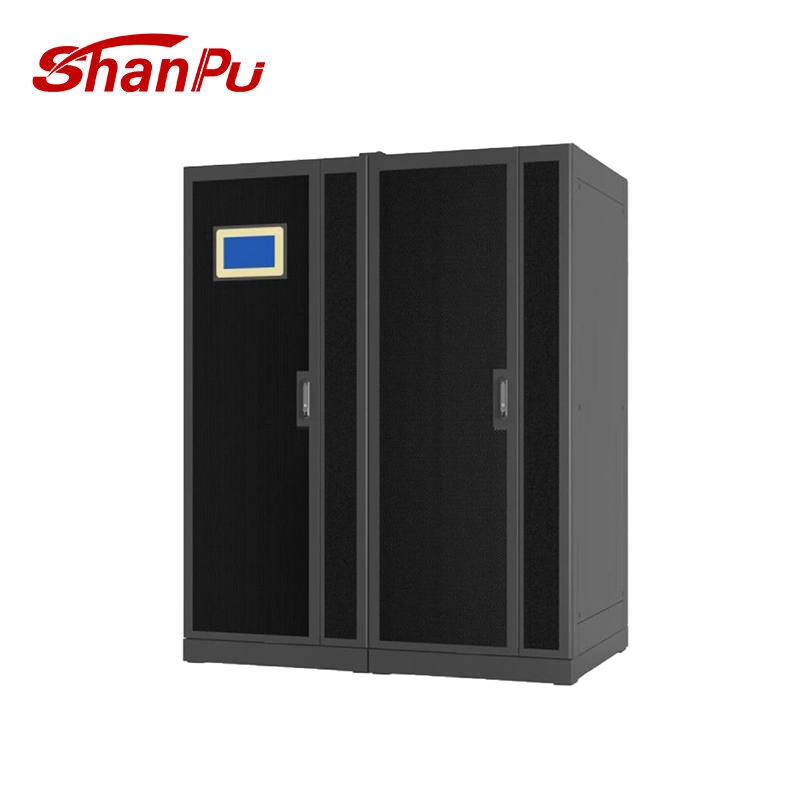
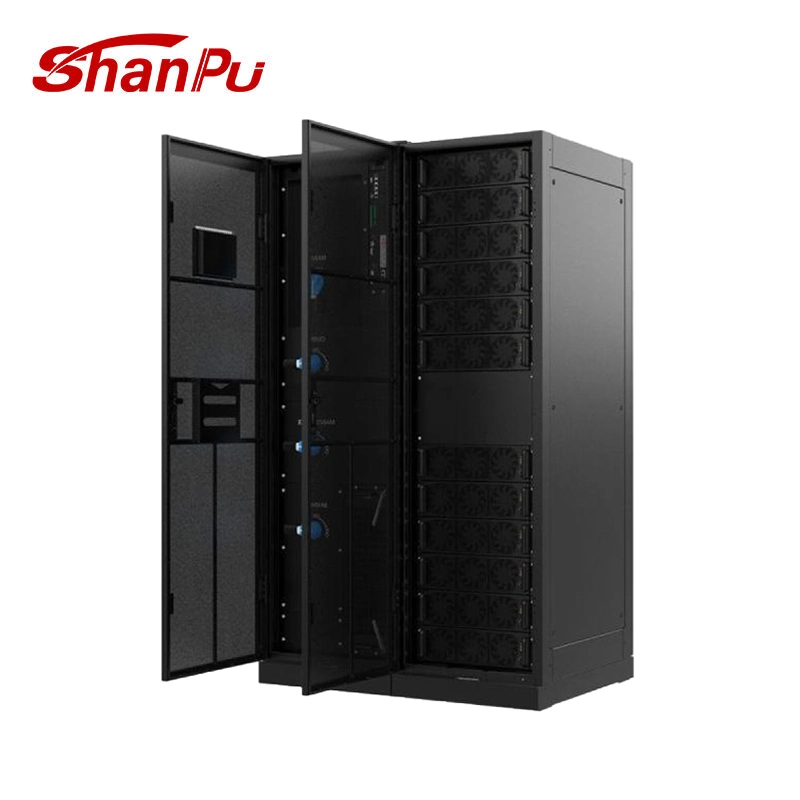
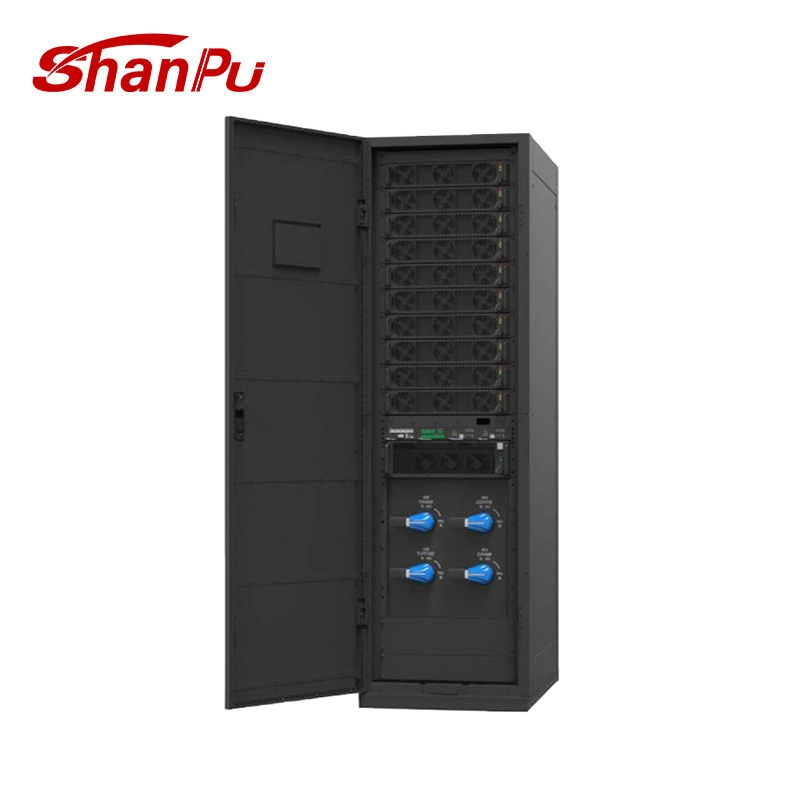
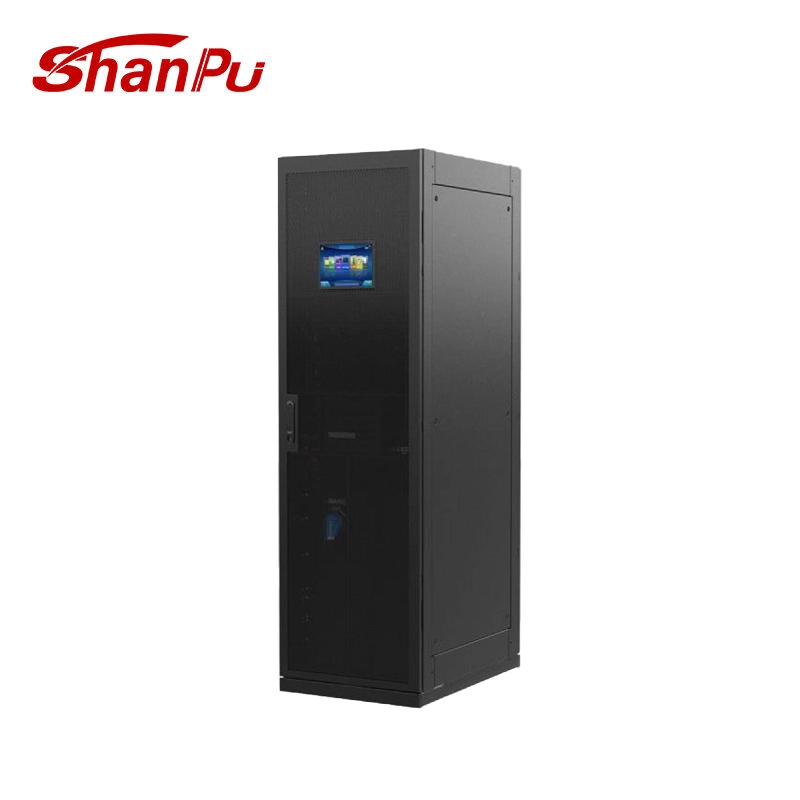
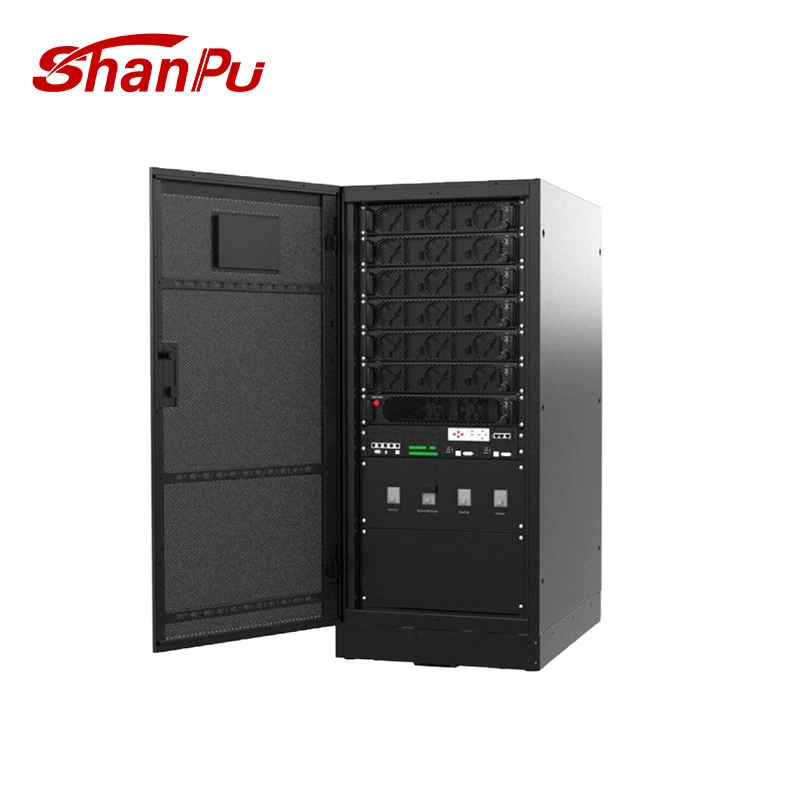
The right battery is not determined by capacity alone. Buyers should evaluate the inverter’s voltage range, charging profile, required backup duration, peak load, ambient conditions, available space, and expected duty cycle. Compatibility with the battery management system and the inverter’s monitoring or communication functions is equally important. ShanPu’s experience across standby, online, rack-mounted, solar, and modular UPS platforms enables a system-level conversation rather than a one-size-fits-all recommendation.
- Match nominal voltage and usable capacity to the inverter or UPS design.
- Consider load priorities and the runtime required during an outage.
- Review installation space, ventilation, temperature, and maintenance access.
- Confirm charging, protection, monitoring, and communication compatibility.
- Plan for expansion, replacement, and service support over the equipment lifecycle.
Designed for Business Continuity and Responsible Growth
For organizations comparing lifepo4 battery packs for inverter systems, the central question is not simply whether a battery can store energy. It is whether the complete solution can support dependable daily operations, predictable maintenance planning, and responsible resource use. A well-matched storage platform can help reduce disruption, simplify installation planning, and make backup infrastructure easier to manage as requirements change.
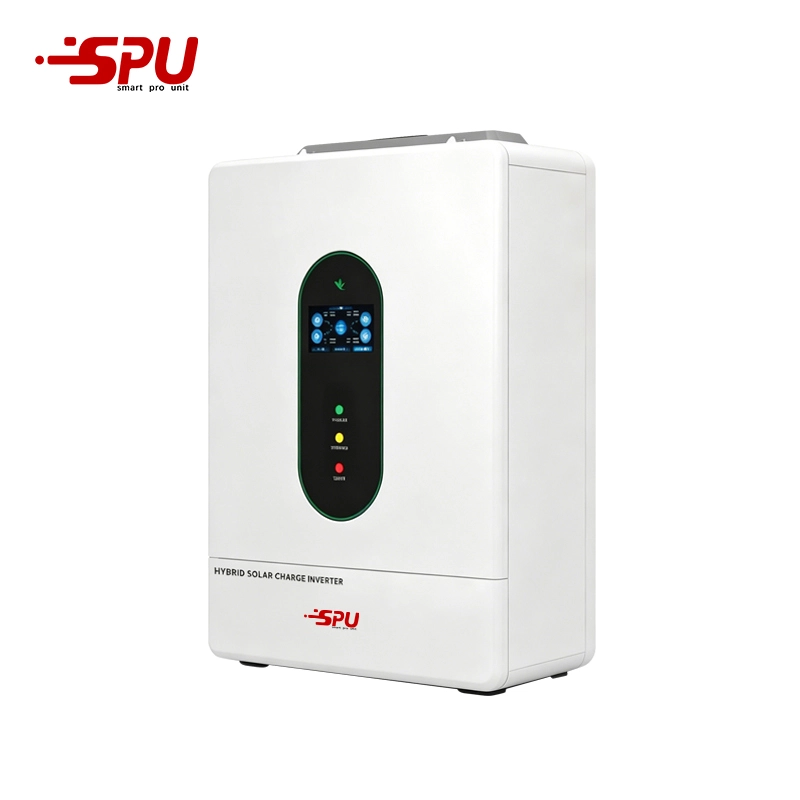
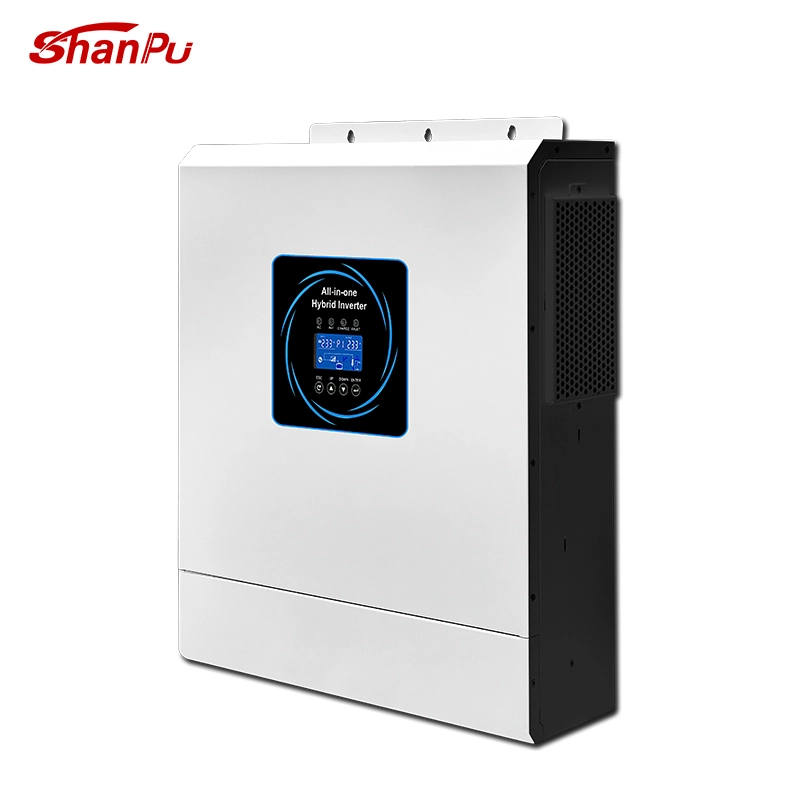
ShanPu Technology (Guangdong) Co., Ltd. serves demanding sectors including government, finance, education, and manufacturing. Its wider power portfolio includes UPS products and solar inverters, allowing customers to consider backup power and renewable-energy applications within a broader energy strategy. Product selection should always be validated against the relevant inverter model, operating conditions, local electrical requirements, and the manufacturer’s technical documentation.
Sustainability is also part of a responsible purchasing decision. Longer service expectations, efficient system planning, and appropriate end-of-life handling can help organizations reduce avoidable resource consumption. ShanPu’s focus on resource-saving product development reflects the growing need for power systems that support both operational resilience and environmental objectives.
ShanPu Support from Evaluation to Operation
Trust in an energy storage supplier comes from more than product specifications. ShanPu operates with a culture centered on integrity, professionalism, and innovation, supported by structured employee training and a comprehensive talent development system. This foundation helps its teams address technical questions clearly and consistently throughout a project.
Quality and governance are reinforced through certifications and compliance credentials including ISO9001, ISO14001, OHSMS18001, CE, and RoHS. These credentials provide important evidence of structured management and attention to quality, environmental responsibility, occupational health, and product conformity; buyers should still confirm the documentation applicable to their specific project and market.
Through its “1+3” service model, ShanPu provides pre-sales, in-sales, after-sales, and training support. That continuity helps customers move from system assessment and product matching to installation guidance, operating knowledge, and ongoing service. Whether the requirement is a compact backup installation or a larger commercial power architecture, a consultative process can reduce selection risk and improve confidence in the finished system.
FAQ
What should I check before selecting a lithium battery for an inverter?
Confirm the inverter’s voltage range, charging requirements, supported battery chemistry, communication interface, maximum current, and protection settings. You should also calculate the required load and backup duration, then verify that the battery management system is compatible with the inverter. ShanPu or the inverter manufacturer should review the complete configuration before purchase.
Are lithium iron phosphate batteries suitable for UPS and solar inverter applications?
They can be suitable for many UPS and solar inverter applications when the battery, inverter, charger, and protection system are designed to work together. Suitability depends on voltage, capacity, charging behavior, operating temperature, load profile, and communication compatibility. The specific inverter documentation should always take priority.
How do I determine the battery capacity needed for backup power?
Start by listing the equipment that must remain powered and its actual or estimated wattage. Multiply the total load by the desired backup time, then allow for inverter efficiency, usable battery capacity, temperature, aging, and system reserve. A qualified supplier should validate the calculation against real operating conditions rather than relying only on a nominal capacity figure.
What safety considerations matter when installing an inverter battery pack?
Installation should follow the battery and inverter manuals, applicable electrical codes, and local safety requirements. Important considerations include correct polarity, suitable overcurrent protection, secure mounting, appropriate temperature conditions, cable sizing, clearance, and access for inspection. Do not modify protection controls or connect incompatible batteries without qualified technical approval.
What support does ShanPu provide when evaluating a battery and inverter solution?
ShanPu supports customers through pre-sales, in-sales, after-sales, and training services under its “1+3” service model. Its teams can help assess application requirements, review compatibility questions, support project coordination, and provide operating guidance. Final recommendations should be based on the exact inverter model, site conditions, load profile, and applicable documentation.



© 2026 ShanPu. All Rights Reserved.
Facebook
YouTube
SHANPU UPS