


ShanPu Inverter Portable Power Station Solutions
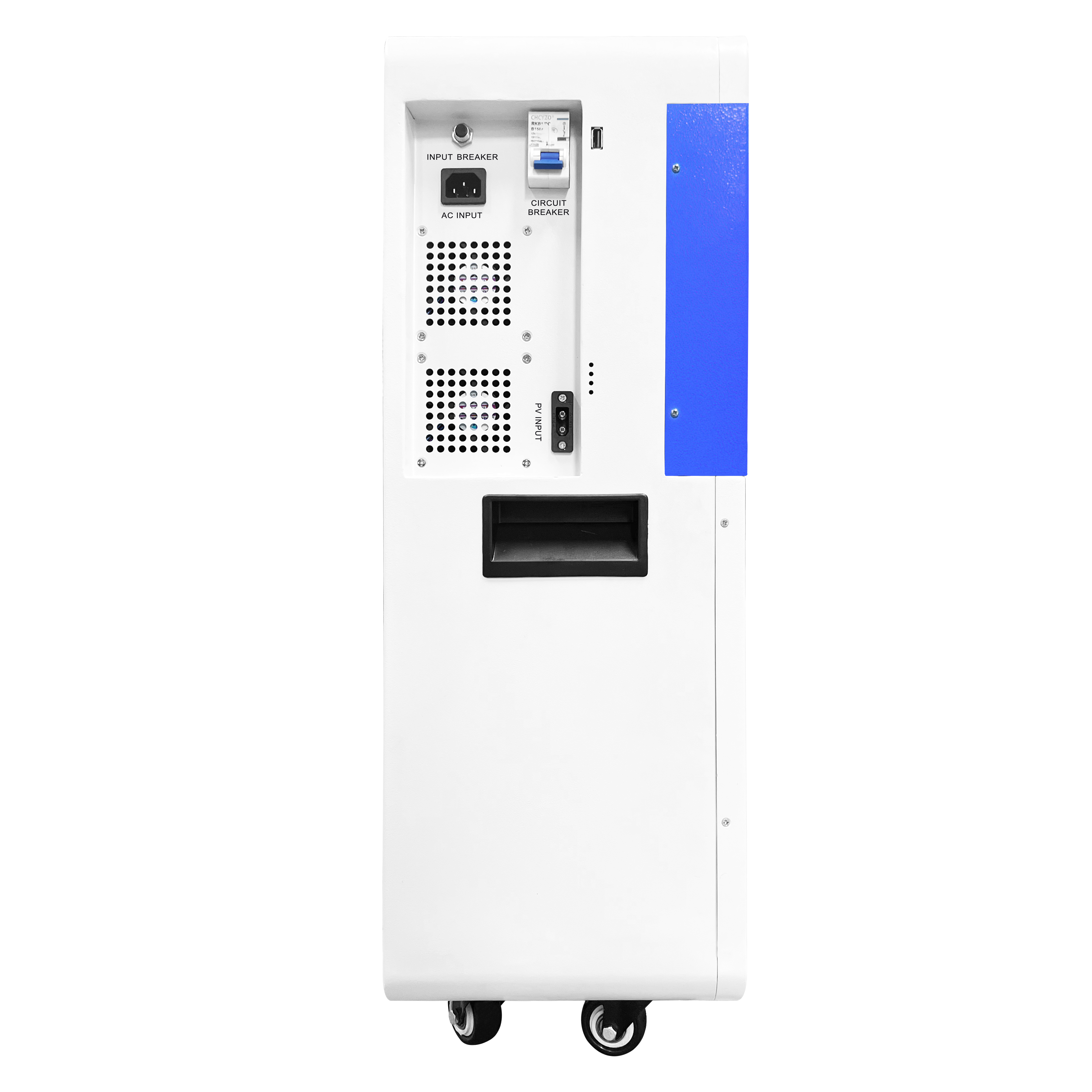
ShanPu brings established power-management expertise to the growing need for reliable, portable electricity. An Inverter Portable Power Station can provide a practical source of backup energy when grid power is unavailable, work is carried out away from fixed outlets, or essential devices need greater flexibility. The right solution should balance usable capacity, output capability, recharge convenience, portability, safety, and the needs of the equipment it will support.
Portable Energy for Everyday Resilience
Power interruptions can affect far more than convenience. They may interrupt communications, delay home working, compromise access to essential devices, or stop field teams from completing time-sensitive tasks. A portable power station helps create an additional layer of preparedness by bringing stored electrical energy wherever it is needed.
For households, this category may support selected electronics, communication equipment, lighting, and other priority loads during short interruptions. For professionals, it can provide practical energy access at temporary work locations, service sites, events, and remote projects. Outdoor users may also value quiet, clean operation compared with traditional fuel-powered alternatives, although runtime and supported equipment always depend on the individual model specifications.
ShanPu’s broader experience in standby, online, rack-mounted, modular, and solar inverter systems provides a relevant foundation for understanding power continuity. Its approach centers on matching equipment to real operating conditions rather than treating backup power as a one-size-fits-all purchase.
How to Choose the Right Portable Power Solution
The most useful comparison begins with the devices you intend to run. Add together their wattage requirements, identify any equipment with a higher starting demand, and consider how long power will be needed. Capacity, commonly expressed in watt-hours, influences runtime, while inverter output determines whether the station can operate the selected loads safely and consistently.
- Capacity and runtime: Select enough stored energy for the intended duration, allowing for conversion losses and changing load levels.
- Output compatibility: Review continuous and peak output ratings, socket types, voltage, frequency, and waveform information before connecting sensitive or motor-driven equipment.
- Recharge flexibility: Check available charging methods, recharge time, input limits, and whether solar charging is supported for your intended environment.
- Safety and usability: Look for clear status information, protective functions, sensible ventilation, robust construction, and straightforward operating controls.
- Portability: Weight, handles, dimensions, and storage requirements matter when the unit will be moved regularly.
Buyers should also distinguish between portable backup power and a permanently installed UPS. A portable unit is selected for mobility and adaptable use, while a dedicated UPS is generally designed for automatic continuity and controlled protection of critical equipment. Understanding that difference helps prevent mismatched expectations and supports a more confident purchase.
ShanPu Quality, Responsibility, and Service
Shanpu Technology (Guangdong) Co., Ltd. serves demanding sectors including government, finance, education, and manufacturing. This experience reflects an understanding that dependable power products must be evaluated not only by headline capacity, but also by consistency, safety, serviceability, and the quality of technical support behind them.
ShanPu operates with ISO9001, ISO14001, and OHSMS18001 management certifications, while its product portfolio includes equipment carrying CE and RoHS certifications where applicable. These credentials support a structured commitment to quality management, environmental responsibility, occupational health, and internationally recognized product expectations. Buyers should still review the certification and specification documentation for the exact model under consideration.
Sustainability is another important part of the brand’s direction. By developing solutions intended to use resources responsibly and reduce environmental impact, ShanPu connects power reliability with more considered energy use. Its talent-development system and integrity-led culture further support consistent product knowledge and customer care. Through its 1+3 service model, the company provides pre-sales, in-sales, after-sales, and training support, helping customers select, deploy, and maintain suitable power equipment with greater confidence.
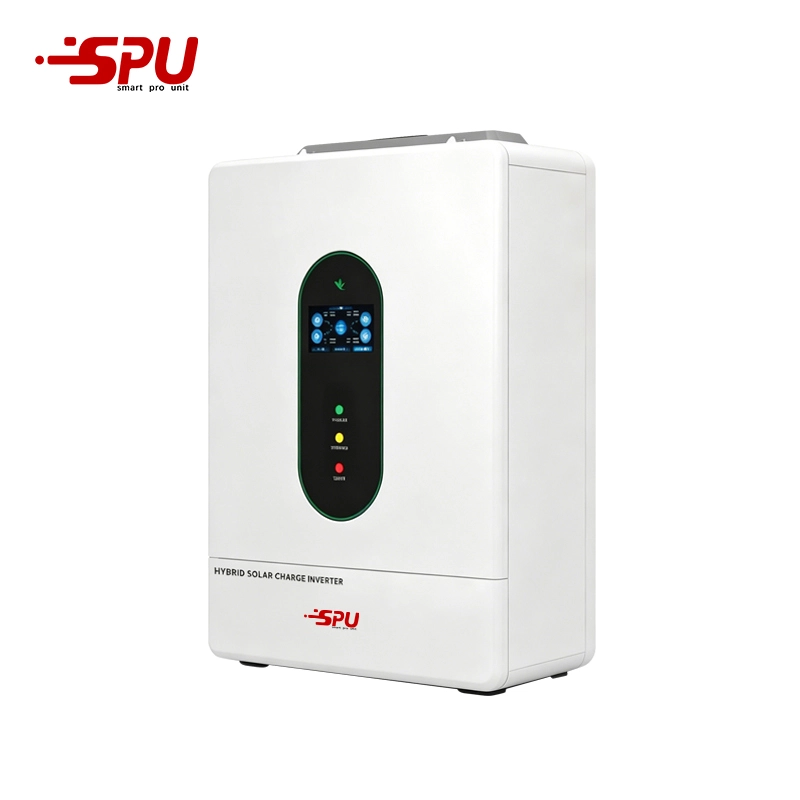
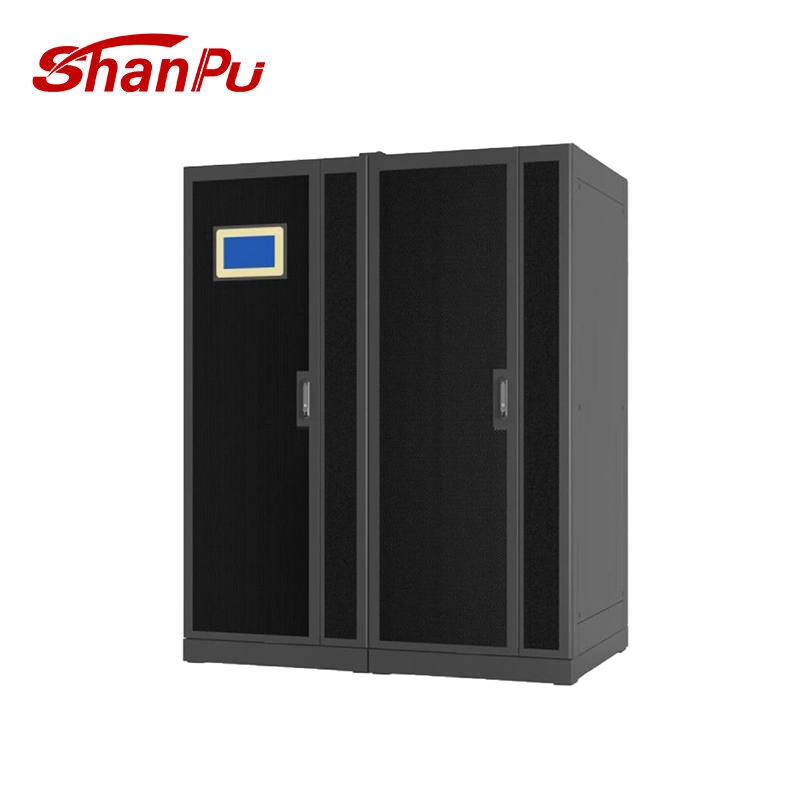
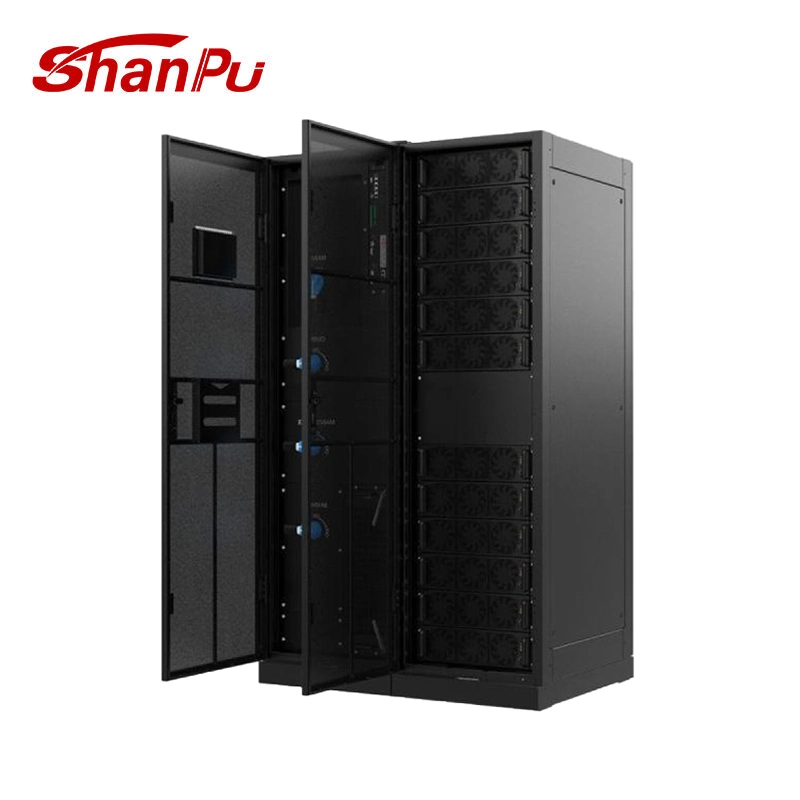
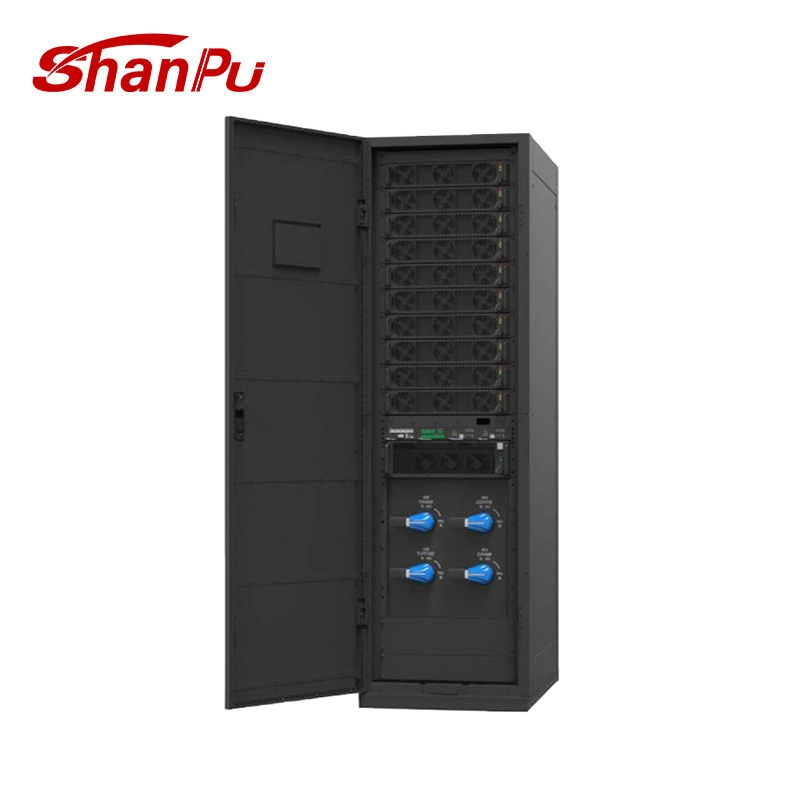
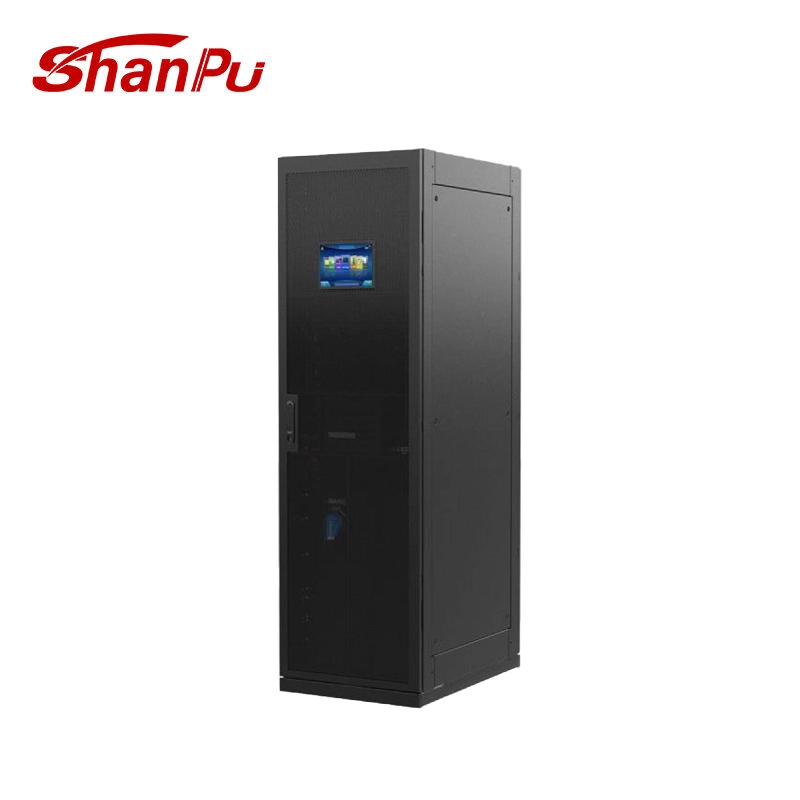
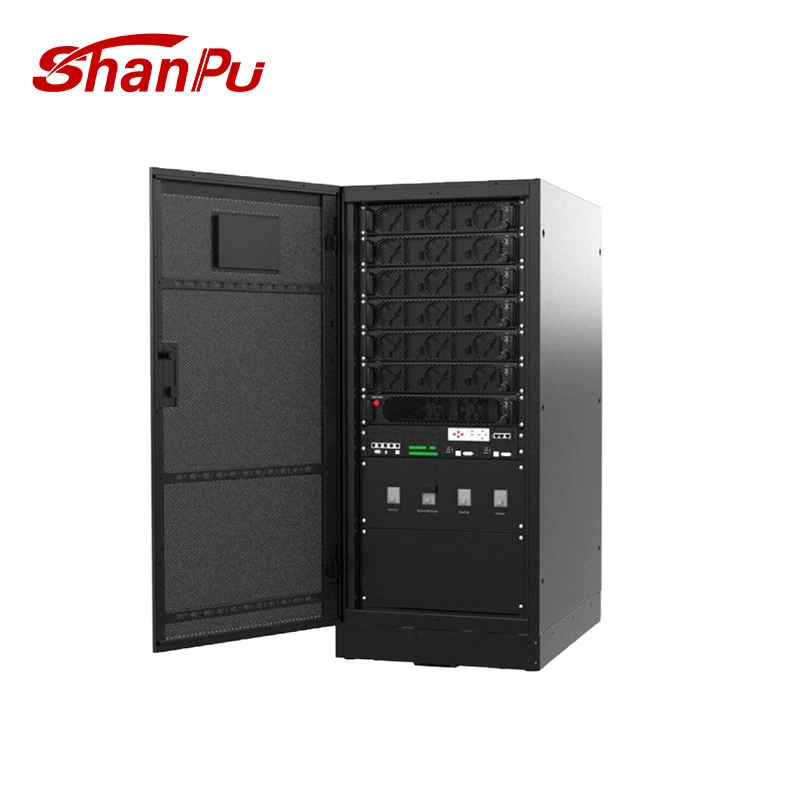
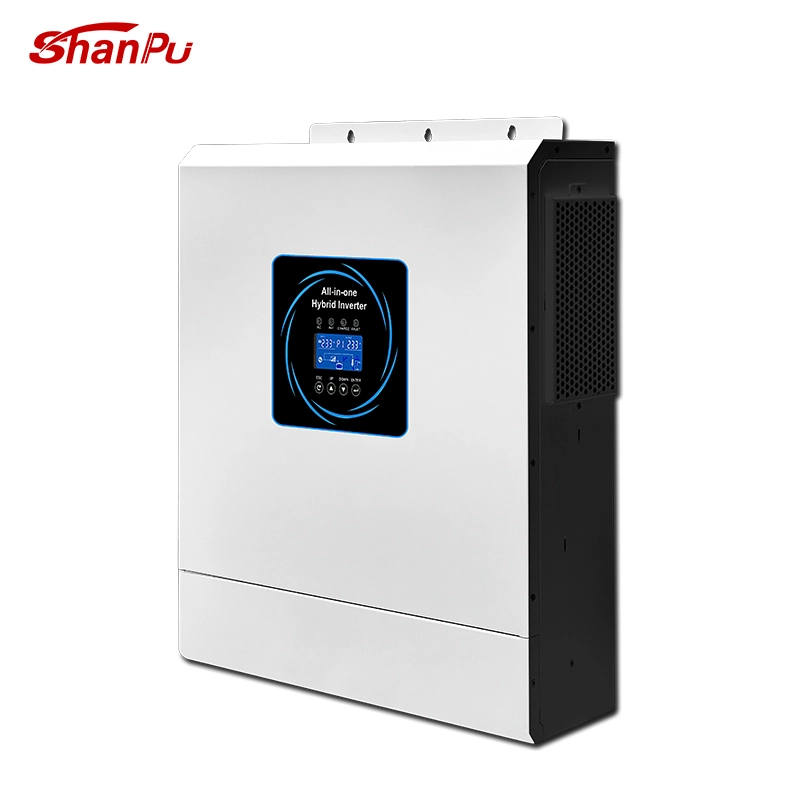
Inverter Portable Power Station Display

FAQ
What should I check before buying an Inverter Portable Power Station?
Start by listing the devices you need to operate, their running wattage, and any higher startup demand from motors or compressors. Then compare the station’s usable capacity, continuous output, peak output, ports, voltage, recharge methods, dimensions, weight, and safety information. The exact model specifications should always take priority over general category assumptions.
How long can a portable power station run my devices?
Runtime depends on the station’s usable watt-hours, the actual load, inverter efficiency, battery condition, and environmental factors. A simple estimate is usable capacity divided by the device load, followed by an allowance for conversion losses. Since real consumption changes during use, treat the result as an estimate and consult the manufacturer’s stated performance data.
Can I use a portable power station with sensitive electronics?
Compatibility depends on the inverter design and the requirements of the connected equipment. Review the product documentation for output waveform, voltage, frequency, continuous rating, and protection functions before connecting computers, medical devices, audio equipment, or other sensitive loads. When requirements are unclear, seek guidance from ShanPu or a qualified power professional.
Can solar panels recharge a portable power station?
Some models support solar charging, but compatibility depends on the station’s permitted voltage range, current limit, connector, and charging controller. The panel arrangement must stay within those limits, and charging speed will vary with sunlight, panel orientation, temperature, and battery state. Confirm both the station and panel specifications before connecting them.
Is a portable power station the same as a UPS?
They serve related but different purposes. A portable power station prioritizes mobility, stored energy, and flexible use in changing locations. A UPS is typically designed for automatic transfer, power continuity, and protection of connected equipment, often in a fixed installation. If an application requires uninterrupted operation or regulated protection, review a dedicated UPS solution rather than assuming every portable unit provides the same function.



© 2026 ShanPu. All Rights Reserved.
Facebook
YouTube
SHANPU UPS