


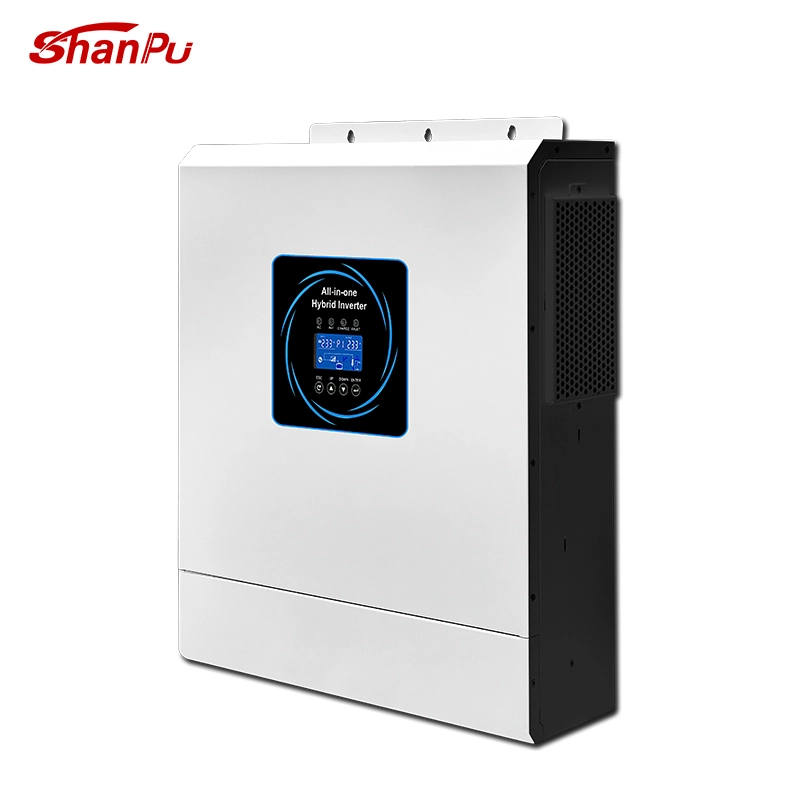
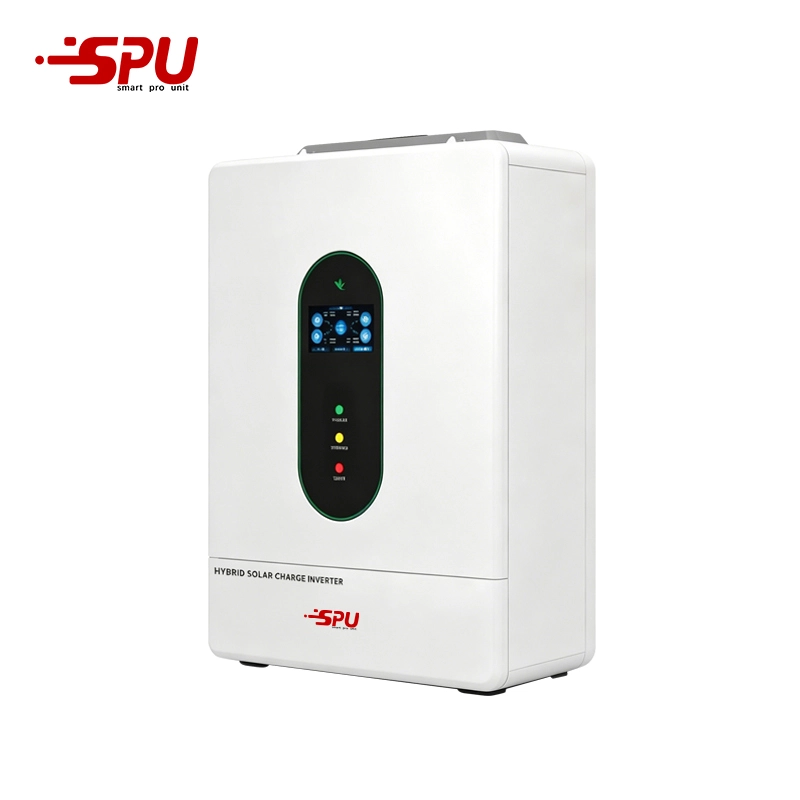
ShanPu Hybrid Inverter Solar Battery Storage Systems

ShanPu brings together solar power expertise and dependable backup thinking in a category designed for more resilient energy management. A hybrid inverter solar battery storage system can coordinate electricity from solar panels, batteries, the utility grid, and connected loads, depending on the product configuration and installation design. For homeowners, this may mean making better use of generated energy. For businesses, it can support continuity planning and more controlled energy consumption. The right solution is not simply the one with the highest headline rating; it is the one that matches the site, battery, solar array, critical loads, and future expansion plans.
Designed for More Flexible Energy Use
Solar generation and electricity demand rarely follow the same schedule. Energy may be produced during the day while a household, office, classroom, or production site needs more power in the morning, evening, or during an interruption. A hybrid architecture helps users consider how generated electricity should be directed, stored, or supplemented. This flexibility can improve the practical value of a solar investment while giving buyers a clearer path toward backup preparedness.
ShanPu solutions are relevant to a wide range of power environments, from residential installations to facilities where stable electricity supports daily operations. The best configuration depends on local regulations, load characteristics, desired backup duration, solar capacity, and battery specifications. Buyers should review operating modes, changeover behavior, monitoring functions, protection features, and system limits with a qualified installer rather than selecting equipment in isolation.
- Use solar generation more strategically instead of treating it as an occasional supplement.
- Pair storage planning with the loads that matter most during an outage.
- Assess future energy needs before deciding on capacity and installation scale.
- Coordinate the inverter, battery, photovoltaic equipment, protection devices, and site wiring as one system.
Confidence Built on Power-System Experience
Shanpu Technology (Guangdong) Co., Ltd. is an established power-systems company specializing in standby, online, and rack-mounted UPS products, solar inverters, and modular UPS solutions. Its products serve demanding sectors including government, finance, education, and manufacturing. That breadth matters because reliable power design requires more than conversion efficiency; it requires attention to continuity, application conditions, serviceability, and the consequences of interruption.
ShanPu’s quality and sustainability approach is supported by ISO9001, ISO14001, and OHSMS18001 management certifications, together with CE and RoHS compliance credentials. These certifications should be understood as part of a broader quality framework rather than a substitute for application-specific verification. The company’s focus on resource conservation and reduced environmental impact also aligns with the practical goal of using renewable energy more responsibly over the life of an installation.
Behind the equipment is a talent-development system that integrates training into daily operations. ShanPu’s culture emphasizes integrity, professionalism, and innovation, while its “1+3” service model covers pre-sales, in-sales, after-sales, and training support. For distributors, installers, and end users, this structure can make product evaluation clearer and help turn a technically sound purchase into a better-supported project.
How to Choose the Right Configuration
Start with the outcome you need. Some buyers prioritize self-consumption, while others focus on emergency backup, reducing grid dependence, or supporting sensitive business loads. Document the equipment that must remain operational, its starting power requirements, expected runtime, and whether all loads or only selected circuits should be supported. This information gives an installer a practical foundation for recommending inverter and battery capacity.
Compatibility deserves equal attention. Confirm the battery type and voltage range supported by the proposed inverter, communication requirements, solar input limits, grid standards, protection arrangements, and available monitoring options. Ask whether the design can be expanded later and what conditions may affect warranty coverage. Installation quality, ventilation, environmental conditions, commissioning, and periodic maintenance can influence performance as much as the equipment specification.
For commercial and institutional buyers, procurement should also consider documentation, service response, training, replacement planning, and total ownership cost. ShanPu’s background across UPS and solar applications provides a useful foundation for conversations about resilience, while local professionals remain essential for site assessment, compliance, and final system design.
FAQ
What does a hybrid inverter solar battery storage system do?
It can manage electricity from solar panels, batteries, the utility grid, and connected loads according to the equipment configuration and installation design. This may help users use solar energy more effectively and plan backup power, but exact operating modes depend on the inverter, battery, local requirements, and system settings.
How do I determine the right inverter and battery size?
Begin by listing the loads that need support, their running and starting power, the desired backup duration, available solar capacity, and expected future demand. A qualified installer should then verify the design against inverter limits, battery specifications, site conditions, and local electrical requirements.
Can every battery be used with a ShanPu solar inverter?
No. Battery compatibility depends on factors such as chemistry, voltage range, charging requirements, communication protocols, protection functions, and approved system combinations. Buyers should confirm the exact compatibility information in the relevant ShanPu documentation and obtain professional installation advice.
Will the system power my entire building during an outage?
Not necessarily. Backup coverage depends on inverter capacity, battery energy, wiring, transfer arrangements, and the selected load strategy. Many installations prioritize essential circuits rather than the entire building. A site assessment can determine which equipment can be supported and for how long.
What should I ask an installer before purchasing?
Ask about energy goals, backup priorities, expected runtime, compatibility, monitoring, expansion, protection, installation conditions, commissioning, warranty terms, maintenance, and service response. Also request a clear explanation of which loads are covered and how the system operates during normal grid conditions and interruptions.


© 2026 ShanPu. All Rights Reserved.
Facebook
YouTube
SHANPU UPS