


ShanPu Energy Storage Lithium Battery Solutions for Reliable Power

ShanPu’s Energy Storage Lithium Battery category is designed for organizations that need more than temporary backup. It supports a practical approach to energy continuity by helping store usable power, protect essential equipment, and work alongside UPS systems or solar inverters. For data-sensitive offices, production facilities, schools, public services, and commercial sites, dependable storage can reduce the disruption caused by outages, unstable grids, and changing energy demands.
Reliable Energy Storage for Critical Operations
Power interruptions rarely affect only one device. They can stop production, interrupt communications, compromise data, delay public services, and create costly restart procedures. A well-planned lithium battery storage system gives organizations more time and flexibility to respond. It can support critical loads during an outage, provide a bridge for UPS operation, and help maintain continuity while backup generation or the utility supply is restored.
Compared with traditional battery choices, lithium-based storage is often selected for its efficient use of space, strong everyday usability, and suitability for modern power systems. The right solution still depends on system design, load requirements, operating conditions, required backup duration, and compatibility with the connected UPS or inverter. ShanPu encourages buyers to evaluate the complete power environment rather than choosing a battery by capacity alone.
- Backup support for offices, network equipment, control systems, and essential machinery
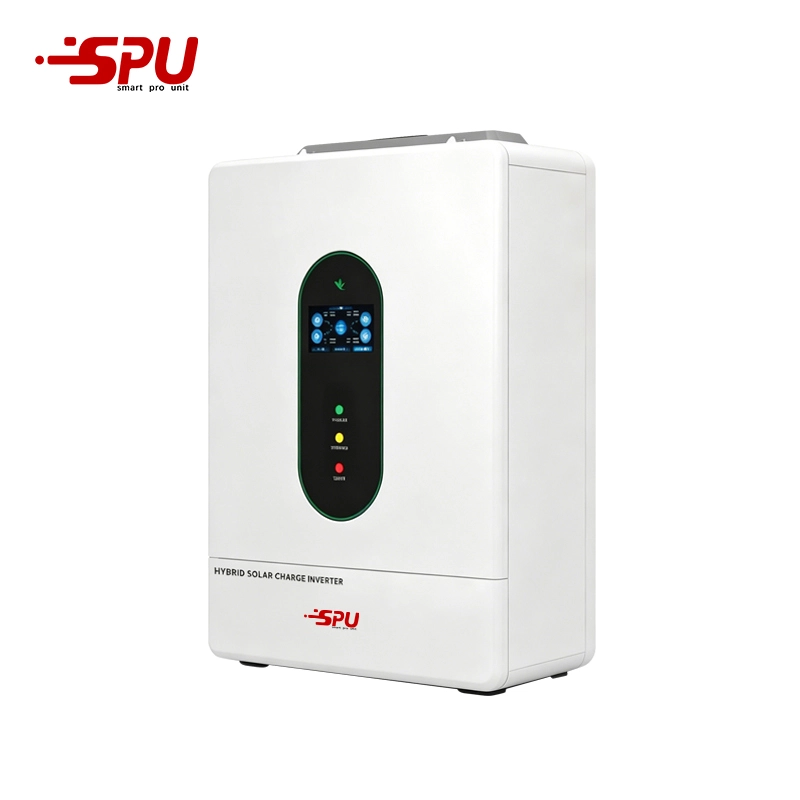
- Energy storage integration for solar inverter and hybrid power applications
- Scalable planning for facilities with changing power requirements
- Space-conscious deployment where equipment-room efficiency matters
- Professional selection guidance based on load, runtime, safety, and operating conditions
Designed Around Safety, Compatibility, and Long-Term Value
Battery storage should be treated as part of a complete power architecture. The battery, UPS, inverter, protection equipment, monitoring functions, and installation environment must work together. Buyers should confirm voltage range, usable capacity, charging requirements, communication compatibility, ambient temperature, installation method, and maintenance expectations before placing an order. These details influence both performance and the total cost of ownership.
Shanpu Technology (Guangdong) Co., Ltd. brings established power-systems experience to this category through its work with standby, online, rack-mounted, solar, and modular UPS products. That background helps ShanPu approach storage as a dependable part of business continuity rather than an isolated component. Its solutions are intended to support clear system planning, responsible operation, and a better fit between energy infrastructure and real-world workloads.
Quality and sustainability are central to Shanpu’s operating philosophy. The company maintains ISO9001, ISO14001, and OHSMS18001 management certifications, while CE and RoHS certifications reflect attention to applicable quality, environmental, and safety expectations for relevant products. Certification does not replace professional design or installation, but it provides an important foundation for procurement teams comparing suppliers and planning standardized deployments.
Support from Selection to Deployment
The best storage project begins with accurate information. ShanPu’s service approach helps customers consider application goals, connected equipment, expected runtime, future expansion, and operating environment before finalizing a configuration. This is especially valuable for organizations with multiple sites or critical systems that cannot tolerate trial-and-error purchasing.
Through its 1+3 service model, Shanpu provides pre-sales, in-sales, after-sales, and training support. Customers can use this framework to improve product selection, installation coordination, operational understanding, and ongoing service readiness. Shanpu’s investment in employee training also supports a more consistent customer experience, while its culture of integrity, professionalism, and innovation reinforces a practical commitment to long-term relationships.
Whether the goal is stronger UPS autonomy, better use of solar generation, or a more resilient facility power plan, ShanPu offers a professional starting point. Buyers should share load profiles, desired runtime, existing equipment details, environmental conditions, and expansion plans with the supplier. With those inputs, an energy storage configuration can be evaluated for safety, compatibility, performance, and sustainable value.
FAQ
What is an Energy Storage Lithium Battery used for?
It stores electrical energy for later use, helping support critical equipment during power interruptions, extend UPS autonomy, and integrate stored solar energy into a facility’s power plan. The appropriate configuration depends on the connected load, required runtime, system voltage, and compatibility with the UPS or inverter.
How do I choose the right battery storage capacity?
Capacity should be calculated from the equipment load, required backup duration, usable battery energy, operating conditions, and the charging and discharge limits of the connected system. Buyers should provide a load profile and runtime target so the supplier can assess a suitable configuration rather than selecting only by nominal capacity.
Can lithium storage work with a UPS or solar inverter?
It can work with compatible UPS and solar inverter systems, but compatibility must be confirmed before purchase. Important considerations include voltage range, charging logic, communication protocols, protection requirements, installation conditions, and the manufacturer’s approved system design.
What certifications should buyers consider when evaluating battery solutions?
Buyers should review certifications and compliance documentation relevant to the product, market, and installation. Shanpu Technology maintains ISO9001, ISO14001, and OHSMS18001 management certifications, along with CE and RoHS certifications for relevant products. Professional installation and correct system design remain essential alongside certification.
What support does ShanPu provide after selecting a storage solution?
Shanpu follows a 1+3 service model covering pre-sales, in-sales, after-sales, and training services. This approach can help customers with application evaluation, configuration coordination, operational understanding, and ongoing support for their power protection and energy storage projects.



© 2026 ShanPu. All Rights Reserved.
Facebook
YouTube
SHANPU UPS