


Reliable UPS Power Protection for Colocation Facilities | ShanPu

For colocation providers, dependable power is fundamental to customer trust. Every server cabinet, network device, storage platform, and security system depends on stable electricity, yet utility interruptions, voltage irregularities, and infrastructure maintenance can place valuable equipment and service-level commitments at risk. ShanPu provides UPS solutions designed to help data center teams create a more resilient power environment while matching protection, capacity, and deployment requirements to the realities of modern facilities.
UPS Solutions Designed for Colocation Continuity
Colocation facilities serve multiple tenants with different workloads, operating schedules, and availability expectations. A suitable uninterruptible power supply helps bridge the gap between a power disturbance and the restoration of utility or generator power. It can also provide a controlled shutdown window when an extended outage exceeds available battery runtime. This makes UPS selection a business decision as much as a technical one: the right system supports uptime objectives, reduces avoidable disruption, and protects the reputation of the facility operator.
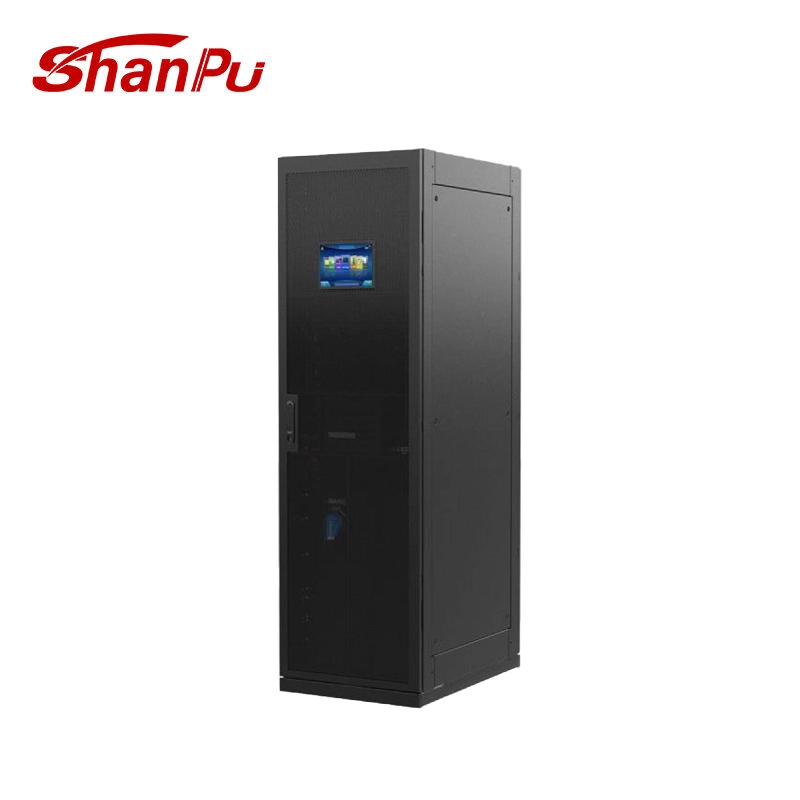
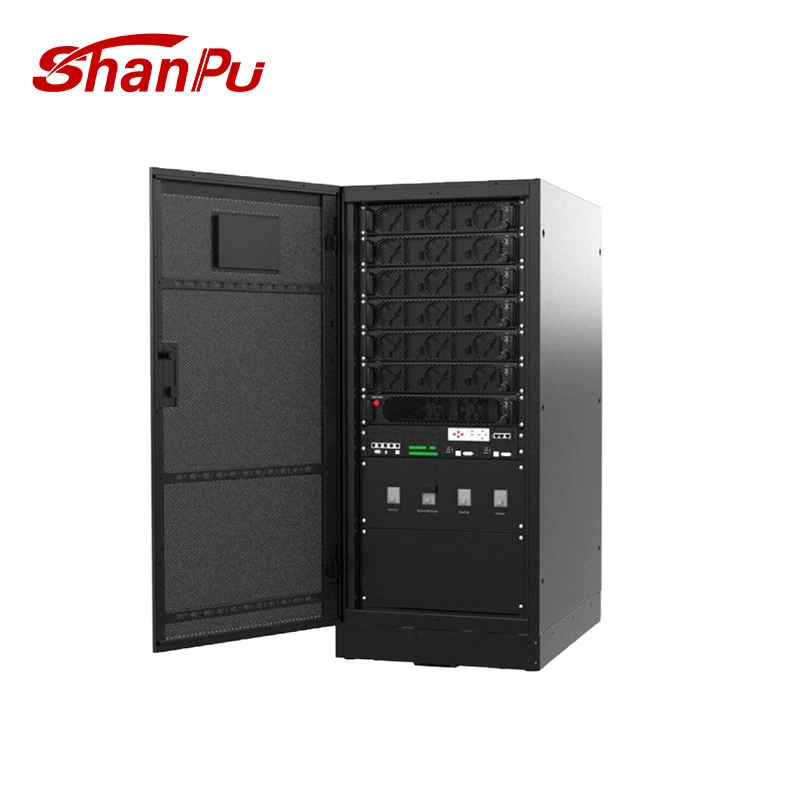
ShanPu’s portfolio includes standby, online, rack-mounted, and modular UPS categories. This range allows buyers to consider the most appropriate architecture for each application rather than forcing every installation into a single format.
- Online UPS systems are suited to applications requiring continuous power conditioning and a high level of protection for sensitive equipment.
- Rack-mounted UPS systems support organized deployment within server racks and are practical where space, cable management, and service access matter.
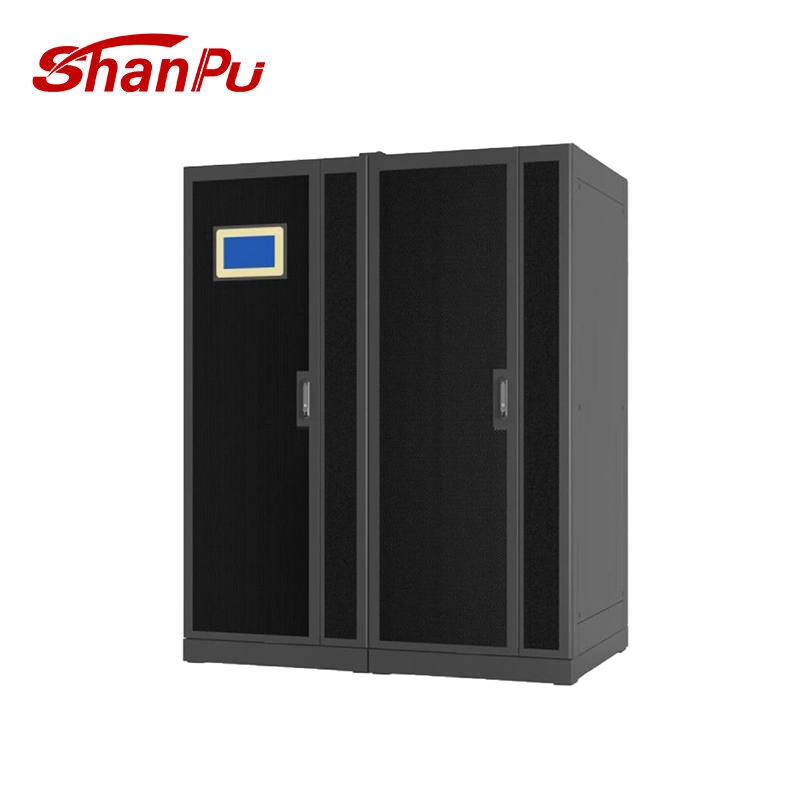
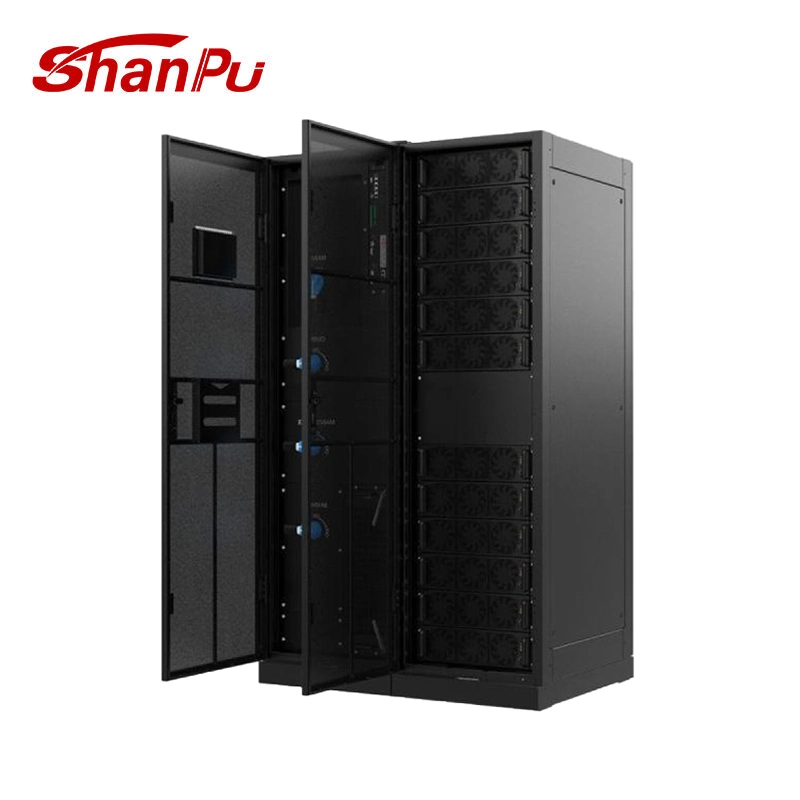
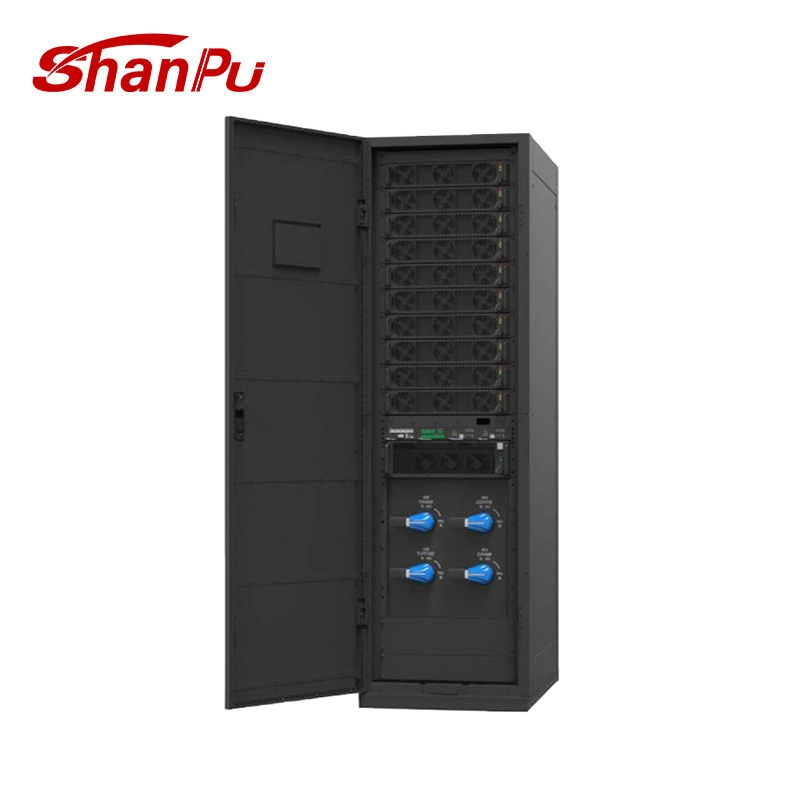
- Modular UPS systems can help facilities plan for changing capacity needs and support a more adaptable approach to expansion.
- Standby UPS systems offer a practical option for selected non-critical or lower-demand loads where the protection profile is appropriate.
For teams evaluating bulk order ups for colocation facilities, the key is to compare load requirements, installation conditions, redundancy goals, battery expectations, monitoring needs, and future growth together. A solution that appears economical at purchase can become less efficient if it lacks the flexibility or service support needed during expansion.
Operational Value Beyond Backup Power
A UPS is not simply a battery enclosure. In a well-planned colocation environment, it forms part of a wider power strategy that supports equipment protection, operational continuity, and predictable maintenance. Online systems can help isolate connected loads from common power quality concerns, while rack-mounted formats can simplify deployment close to the equipment they protect. Modular designs may support phased capacity planning, helping operators align investment with occupancy and demand rather than overbuilding every room at the beginning.
Effective procurement also depends on practical details. Buyers should review the expected load profile, available electrical infrastructure, physical footprint, environmental conditions, access for maintenance, and compatibility with the facility’s monitoring and operating procedures. Battery runtime should be assessed against the site’s transfer and shutdown strategy, not treated as an isolated specification. Clear documentation, commissioning guidance, training, and responsive technical communication can be equally important when equipment is deployed across multiple rooms or locations.
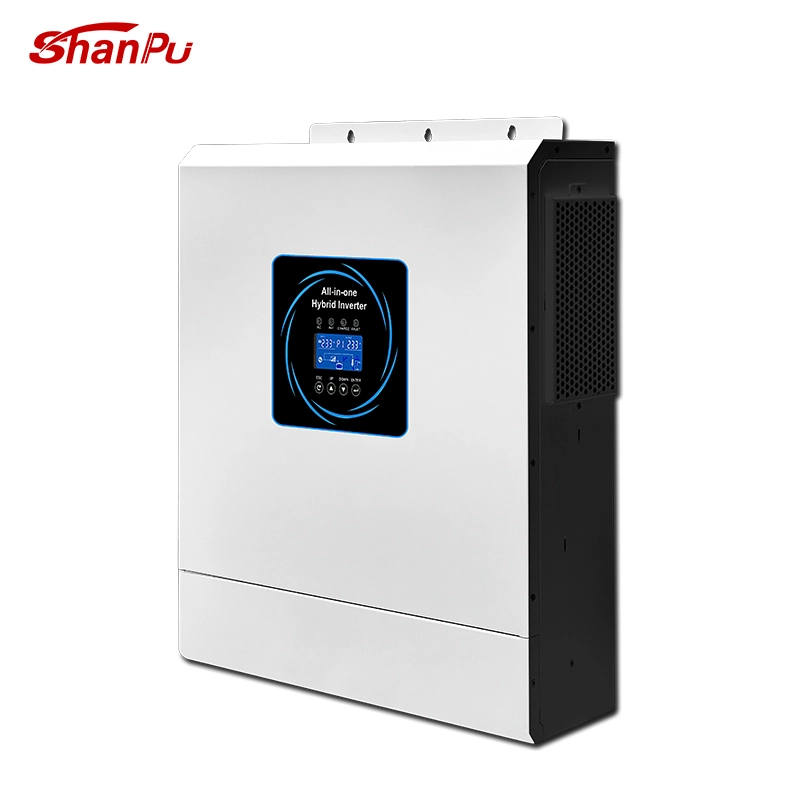
ShanPu’s experience across government, finance, education, manufacturing, and other demanding sectors informs a customer-centered approach to power protection. As one of the inverter manufacturers and power-system specialists serving diverse applications, the company connects product development with real operational requirements. Its portfolio also includes solar inverters, giving customers a broader perspective when evaluating conventional backup power and sustainability initiatives together.
ShanPu Quality, Sustainability, and Lifecycle Support
Shanpu Technology (Guangdong) Co., Ltd. builds its offering around integrity, professionalism, and innovation. The company maintains ISO9001, ISO14001, and OHSMS18001 management certifications, along with CE and RoHS certifications. These credentials support confidence in its quality management, environmental practices, occupational health and safety processes, and product conformity. They should complement, rather than replace, a buyer’s own technical validation and site-specific acceptance procedures.
Sustainability is incorporated into ShanPu’s product-development direction, with attention to resource conservation and reduced environmental impact. For colocation operators managing energy use, equipment density, and long service lifecycles, this perspective can support more responsible infrastructure planning. Evaluating efficiency, maintainability, useful life, and replacement requirements together may produce better long-term value than focusing only on the initial purchase price.
ShanPu supports customers through a “1+3” service model covering pre-sales consultation, in-sales coordination, after-sales assistance, and training. This structure is valuable for organized purchasing programs, where consistent specifications, deployment guidance, user education, and ongoing communication can reduce friction across multiple installations. Whether the requirement involves a single rack, a new data hall, or a broader procurement plan, buyers can engage ShanPu to clarify application needs and identify a suitable UPS path.
FAQ
What should colocation operators assess before placing a large UPS order?
Operators should review connected load, expected growth, redundancy objectives, installation space, electrical infrastructure, battery-runtime expectations, environmental conditions, monitoring requirements, and maintenance access. These factors help determine whether standby, online, rack-mounted, modular, or a combination of UPS solutions is appropriate.
Which ShanPu UPS type is suitable for sensitive data center equipment?
Online UPS systems are generally considered for sensitive equipment because they provide continuous power conditioning and protection from common power disturbances. Final selection should be based on the facility’s load profile, availability design, electrical configuration, and technical requirements.
Can rack-mounted UPS systems support colocation cabinet deployments?
Rack-mounted UPS systems are designed for organized installation within or near server racks, making them a practical option when cabinet-level protection, efficient use of space, and service access are important. Compatibility with rack dimensions, load capacity, cabling, ventilation, and site procedures should be confirmed before purchase.
How can modular UPS systems support future colocation expansion?
Modular UPS architectures can provide a more adaptable path for facilities whose capacity requirements may change. They may allow staged planning and expansion, but buyers should verify the specific model’s scalability, redundancy approach, installation requirements, and available support before committing to a deployment strategy.
What support does ShanPu provide after a UPS purchase?
ShanPu follows a “1+3” service model covering pre-sales, in-sales, after-sales, and training services. Support can help customers clarify application requirements, coordinate purchasing and deployment, understand operation procedures, and maintain informed use of the selected power system.


© 2026 ShanPu. All Rights Reserved.
Facebook
YouTube
SHANPU UPS