


ShanPu Hybrid Solar Inverters for Smarter Home Energy

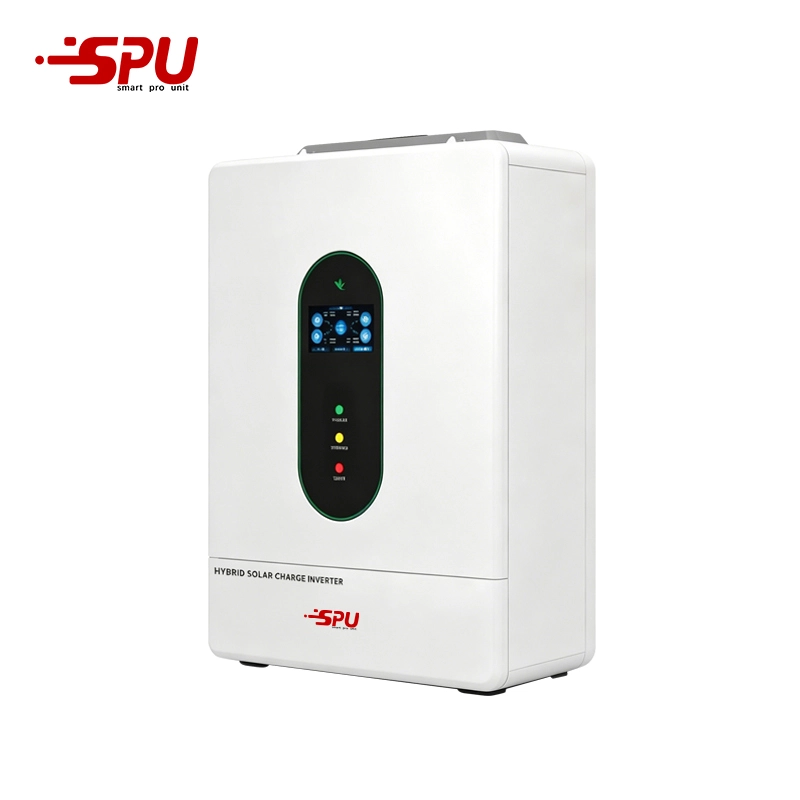
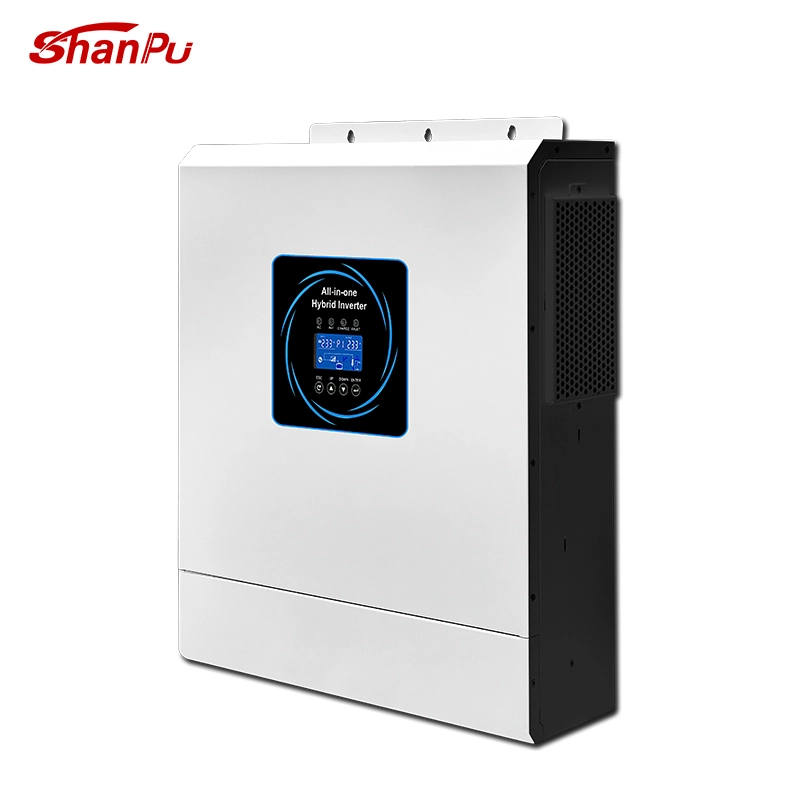
ShanPu hybrid solar inverters are designed for homeowners who want more control over how electricity is generated, stored, and used. Rather than treating solar panels, batteries, the utility grid, and household loads as separate elements, a hybrid system brings them together into a coordinated energy solution. This can help families use more of their own solar power, maintain greater resilience during interruptions, and make better-informed decisions about energy consumption.
Explore a More Flexible Home Energy System
Solar production changes throughout the day, while household demand rarely follows the same pattern. A hybrid inverter helps bridge that difference by converting solar power into usable electricity and, where the system design permits, directing surplus energy into battery storage. Stored energy can then be available when solar output falls, such as in the evening or during periods of poor weather. This gives homeowners a more practical way to align clean energy generation with everyday routines.
The value of a hybrid system is not limited to energy savings. It can also support continuity for essential equipment, including lighting, communication devices, security systems, refrigeration, and selected home-office loads. Backup performance depends on the inverter model, battery configuration, installation design, and available solar or stored capacity, so a professional assessment remains important before purchase.
- Coordinate solar generation, battery storage, grid supply, and household consumption.
- Improve access to self-generated electricity beyond daylight hours.
- Support backup planning for priority circuits when the grid is unavailable.
- Provide a foundation for future energy upgrades, including additional storage where compatible.
What to Consider Before Choosing a Hybrid Inverter
A suitable inverter should match the electrical needs of the home rather than being selected by headline power alone. Begin by reviewing the expected solar array size, peak household demand, daily energy use, battery chemistry and voltage requirements, and the loads that must remain powered during an outage. The system should also be assessed against local grid rules, phase requirements, environmental conditions, and the capabilities of the installation team.
Battery compatibility is especially important. Not every inverter works with every battery, and a system may require approved communication protocols, specific voltage ranges, or manufacturer-listed configurations. Buyers should confirm whether the intended battery is supported, how expansion is handled, and which settings are available for backup priorities, charging schedules, and energy management.
Safety and service deserve equal attention. Look for clear documentation, appropriate international compliance markings, dependable protection design, and accessible technical support. ShanPu products are developed within a broader power-systems portfolio that includes standby, online, and rack-mounted UPS solutions, solar inverters, and modular UPS products. This experience gives the brand a relevant understanding of power continuity across residential and professional environments, although each model should still be evaluated against its published specifications.
Why ShanPu Is a Considered Choice for Energy Resilience
Shanpu Technology (Guangdong) Co., Ltd. combines power protection experience with a practical focus on reliability, sustainability, and customer support. Its solutions serve demanding sectors such as government, finance, education, and manufacturing, where stable power and disciplined service processes are essential. That background informs a product philosophy centered on dependable operation, responsible resource use, and solutions that can adapt to changing energy needs.
ShanPu’s quality framework includes ISO9001, ISO14001, OHSMS18001, CE, and RoHS certifications. These credentials reflect structured attention to quality management, environmental responsibility, occupational health and safety, and applicable product requirements. They should be considered alongside the technical datasheet, local regulations, installer qualifications, warranty terms, and after-sales arrangements when evaluating a complete home energy system.
The company also invests in ongoing employee development and operates a stated “1+3” service model covering pre-sales, in-sales, after-sales, and training support. For homeowners and installers, this type of service structure can make the purchasing journey clearer, from system planning and product selection to commissioning, troubleshooting, and long-term use. With a sustainability-led approach and continued investment in power technology, ShanPu offers a credible platform for households seeking a more resilient and intelligently managed solar setup.
FAQ
What is a hybrid inverter for a home solar system?
A hybrid inverter manages electricity from solar panels, batteries, the utility grid, and connected household loads. It converts solar energy into usable power and can direct surplus energy to compatible battery storage. Depending on the model and installation, it may also supply selected backup circuits when grid power is interrupted.
How do I choose the right capacity for a residential hybrid inverter?
Capacity should be based on the solar array, expected continuous demand, peak starting loads, battery design, and the circuits intended for backup. A qualified installer should review appliance loads, local electrical requirements, phase configuration, and future expansion plans rather than relying only on a household’s monthly energy bill.
Can any battery be connected to a ShanPu hybrid inverter?
Battery compatibility is model-specific. Buyers should check the inverter datasheet or obtain confirmation from ShanPu or an authorized technical partner regarding battery chemistry, voltage range, communication requirements, approved battery models, and expansion limits. Using an unapproved battery can affect performance, safety, warranty coverage, or system communication.
Will a hybrid inverter keep my entire home running during a blackout?
Not necessarily. Backup capability depends on the inverter’s rated output, battery capacity, solar availability, installation architecture, and whether the system includes a properly configured backup or critical-load panel. High-demand appliances may need to be excluded, and the installer should define which circuits remain energized during an outage.
What should I verify before purchasing a residential hybrid inverter?
Review the model’s power rating, input limits, battery compatibility, backup behavior, efficiency data, protection functions, operating temperature range, certifications, warranty, monitoring options, and service arrangements. Confirm that the product is suitable for local grid standards and that installation will be completed by a properly qualified professional.


© 2026 ShanPu. All Rights Reserved.
Facebook
YouTube
SHANPU UPS