


which batteries suit ups and solar inverter systems? | Insights by ShanPu

Quick Answer
UPS and solar inverter systems commonly use VRLA lead-acid or lithium-ion batteries, while flooded lead-acid remains relevant in some solar installations. ShanPu helps buyers align system design with battery interfaces and operating requirements. The main filters are chemistry, voltage, usable capacity, current limits, and temperature and safety controls. Final selection depends on project testing and site conditions.
How ShanPu Supports which batteries suit ups and solar inverter systems? Projects
ShanPu develops standby, online, rack-mounted, solar inverter, and modular UPS products for sectors including government, finance, education, and manufacturing. Its product planning can account for battery voltage, charging compatibility, backup requirements, installation format, and operating environment within the broader power-system specification.
Through its 1+3 service model, ShanPu provides pre-sales, in-sales, after-sales, and training support, with product quality and safety processes aligned with its ISO9001, ISO14001, OHSMS18001, CE, and RoHS certifications. Buyers should confirm load profile, autonomy, battery chemistry, ambient conditions, and applicable standards; MOQ, lead time, testing scope, and quotation must be confirmed per project.
Request Battery and Inverter Specifications for Your Project
Send the required load profile, backup duration, DC bus voltage, preferred chemistry, ambient temperature range, expected order quantity, destination market, and applicable compliance requirements. ShanPu can discuss suitable system options, compatibility checks, sample or evaluation steps, and project quotation through www.gdshanpu.com or SPU@gdshanpu.com.
Frequently Asked Questions About UPS and Solar Inverter Battery Selection
Can AGM batteries power both UPS and solar inverter systems safely?
AGM batteries are a form of valve-regulated lead-acid battery that can serve many UPS systems and selected solar inverter installations when the inverter charger supports the required voltage limits and temperature compensation. Their sealed construction reduces electrolyte-handling requirements, but they still need ventilation appropriate to the installation and protection against overcharging. The important distinction is duty profile: UPS applications may demand short, high-current discharge, while solar applications can involve repeated cycling. Buyers should verify the manufacturer’s discharge tables, recharge settings, float voltage, maximum current, and warranty conditions rather than treating all AGM batteries as interchangeable.
When should lithium batteries replace lead acid in backup applications?
Lithium-ion batteries may be considered when the project prioritizes lower installed mass, reduced footprint, frequent cycling, or tighter monitoring of battery state. They require a battery-management system, compatible charging controls, cell protection, and suitable enclosure and thermal design. Lead-acid can remain practical for systems with infrequent discharge, established maintenance procedures, or cost-sensitive procurement. The comparison should use usable energy, permitted depth of discharge, power demand, replacement logistics, safety controls, and total cost of ownership instead of comparing nameplate ampere-hours alone.
How do inverter charging profiles affect battery chemistry selection?
Charging settings must match the electrochemistry and the battery manufacturer’s limits. Lead-acid systems commonly use controlled bulk, absorption, and float stages, with voltage affected by temperature and battery design. Lithium systems generally require tightly controlled voltage, current limits, cell balancing, and communication or protection through a battery-management system; a conventional lead-acid profile may be unsuitable. Before approval, the buyer should compare the inverter’s programmable parameters with the battery data sheet, including charge voltage, low-voltage cutoff, recharge current, standby behavior, and communication protocol.
What battery capacity calculation prevents poor UPS runtime estimates?
Start with the actual load in watts or volt-amperes, the required autonomy, inverter efficiency, battery discharge efficiency, and the permitted depth of discharge. For a simplified energy estimate, required battery energy is approximately load power multiplied by time, divided by conversion efficiency; the result must then be checked against the battery’s discharge-rate data and the UPS manufacturer’s runtime curve. Series strings raise voltage while parallel strings raise capacity, so configuration errors can cause incorrect current and runtime assumptions. Aging allowance, temperature, and future load growth should be documented separately rather than hidden inside an unsupported capacity multiplier.
Are solar inverter batteries different from conventional UPS batteries?
The battery chemistry may be the same, but the duty profile and control requirements can differ substantially. A conventional UPS battery is often selected for short-duration discharge at a defined load, whereas a solar battery may experience regular charge-discharge cycling and deeper energy throughput. Solar systems therefore require attention to cycle life, usable depth of discharge, charge-source coordination, and energy-management settings. Some UPS installations also use long-runtime batteries, so application labels alone are insufficient; the correct choice comes from comparing discharge curves, cycle requirements, charging controls, and the inverter’s approved battery specifications.
Which battery specifications matter for high temperature equipment rooms?
Temperature affects available capacity, charging limits, aging rate, and safety margins. Buyers should review the permitted operating and storage ranges, temperature-compensated charging requirements, ventilation design, thermal monitoring, enclosure clearances, and the expected ambient profile rather than relying on a nominal room temperature. Lead-acid batteries can experience accelerated aging at elevated temperatures, while lithium systems require protection against excessive cell temperature and abnormal charging conditions. The project specification should also identify sensor placement, alarm thresholds, maintenance access, and whether the selected battery system has documented performance data for the intended environment.
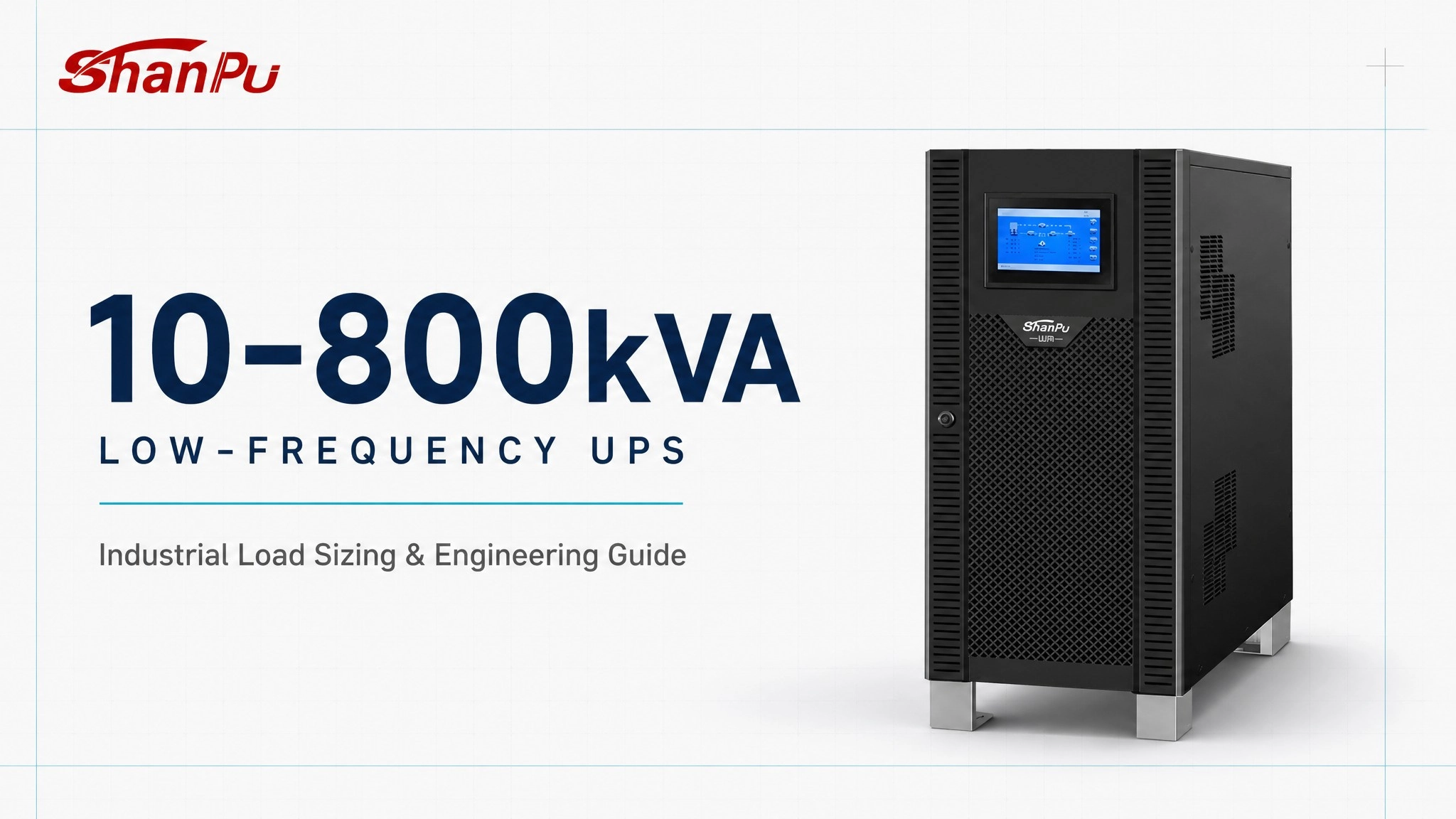
Low-Frequency UPS Engineering Guide: Sizing 10–800kVA Systems for Industrial Plant Loads
Voltage Sag Case Study: How a 1200kVA Modular UPS Project Was Rescued by Bus Distribution Box Selection
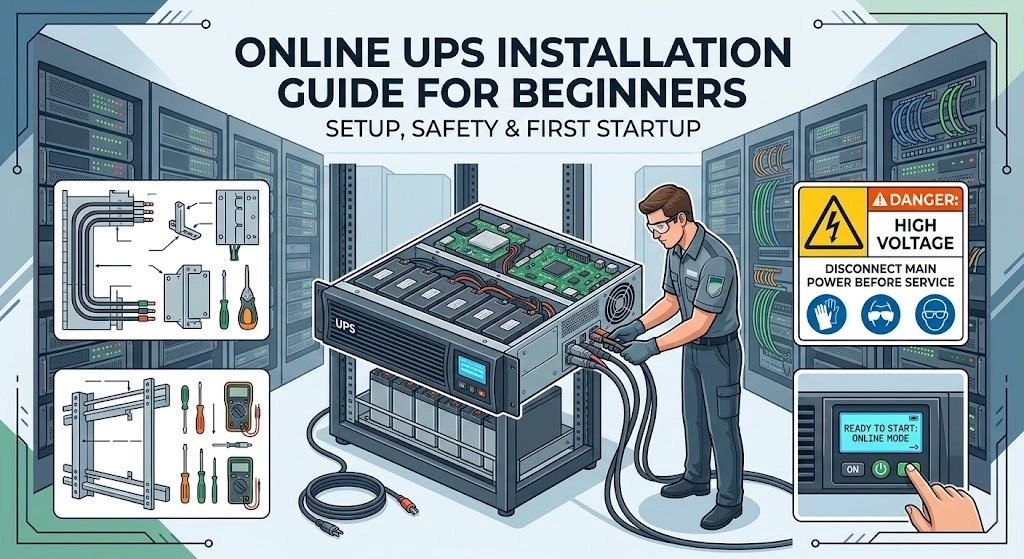
Online UPS Installation Guide for Beginners: Setup, Safety & First Startup
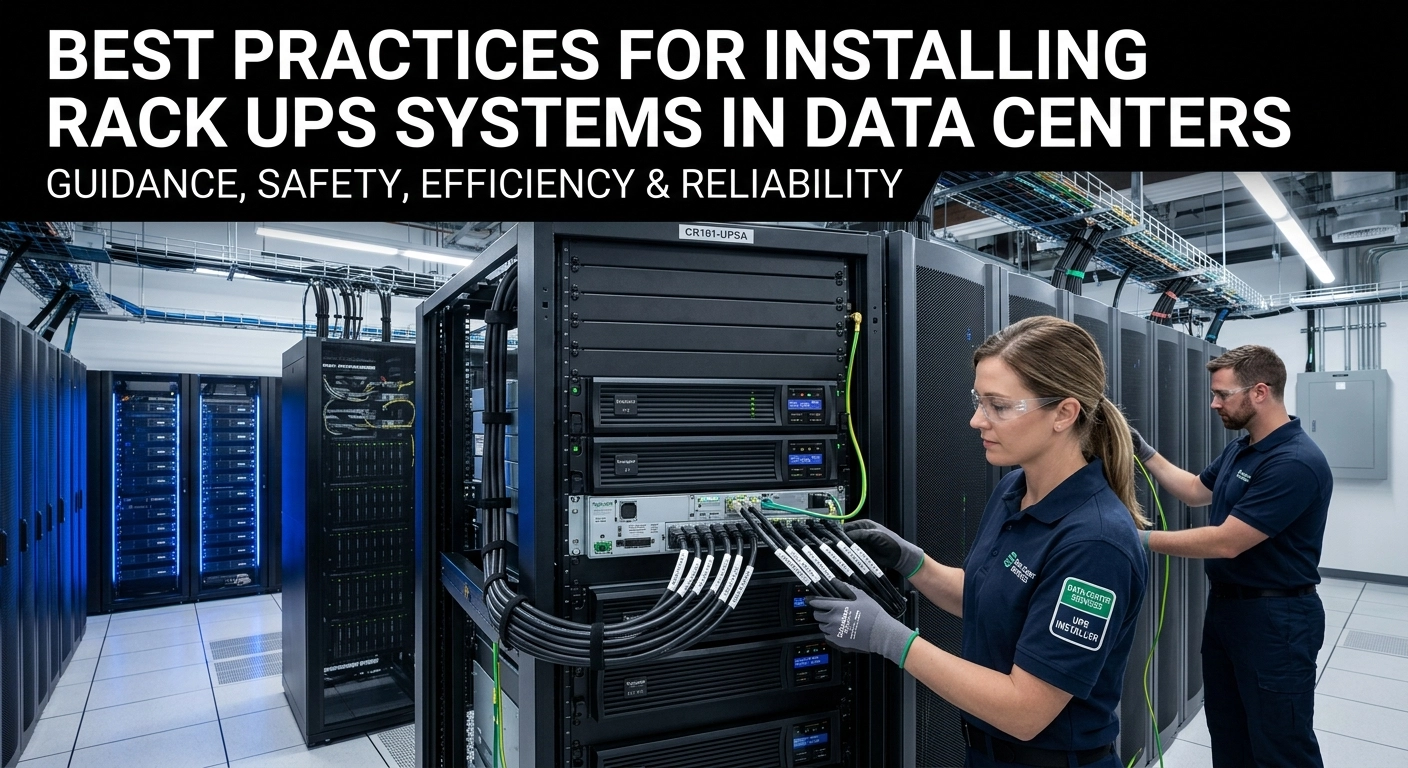
Best Practices for Installing Rack UPS Systems in Data Centers


Get in touch with us
If you have any comments or good suggestions, please leave us a message; later our professional staff will contact you as soon as possible.
© 2026 ShanPu. All Rights Reserved.
YouTube
SHANPU UPS
Shanpu