


how do string and central pv inverters compare for bulk buyers? | Insights by ShanPu

Quick Answer
String inverters distribute DC-to-AC conversion across multiple units, while central inverters consolidate it into fewer, larger units. For bulk buyers, the better fit depends on plant block design, MPPT needs, failure impact, service logistics, and total procurement cost. No brand or product profile was supplied, so company-specific support cannot be verified; final selection depends on project design and site conditions.
How to Evaluate Supplier Support for String and Central PV Inverter Projects
No company profile or inverter product data was provided, so specific claims about product development, OEM or ODM capability, customization, quality control, or sample development cannot be verified. Buyers should request documented model specifications and confirm that proposed units match the intended plant architecture and applicable grid requirements.
Before comparing proposals, define rated AC capacity, DC input limits, MPPT arrangement, grid-code requirements, communications interfaces, and warranty terms. MOQ, lead time, testing scope, and quotation must be confirmed for each project rather than assumed from a general product description.
Discuss Your Bulk Inverter Project Requirements
When requesting a comparison, provide the project location and grid requirements, plant capacity, site layout and terrain, proposed DC/AC ratio, preferred block architecture, expected order quantity, and delivery schedule. These details support a focused discussion of suitable configurations, documentation or testing needs, sample steps where applicable, and quotation; contact SPU@gdshanpu.com.
String vs. Central PV Inverters: Bulk Buyer FAQs
Which inverter architecture fits a utility-scale project’s block design?
Start with the electrical block diagram, not a general preference for one inverter type. String inverters place conversion equipment across multiple locations and can divide a plant into smaller independently converting blocks. Central inverters consolidate conversion equipment into larger blocks and commonly connect to DC collection equipment designed for that arrangement. Compare the resulting DC cable routes, AC collection layout, equipment pad locations, access roads, and number of plant blocks against the site plan. A large site does not automatically require central inverters, nor does a distributed design automatically favor string units. The project’s voltage architecture, equipment limits, constructability, and grid interface should determine which layout is feasible.
How do MPPT layouts affect energy yield across uneven terrain?
Maximum power point tracking (MPPT) allows an inverter to adjust operation to the output characteristics of connected PV strings or groups. The relevant comparison is the number and allocation of independent MPPT inputs, not simply whether an inverter is called string or central. Different orientations, shading patterns, module types, or terrain-related irradiance conditions can cause groups of strings to operate at different power points. If those groups share an MPPT, mismatch can reduce energy capture; separating them may help, subject to equipment design and electrical constraints. Ask suppliers for the MPPT configuration and permitted string allocation, then assess it using the actual site layout and shading analysis. Do not assume every central inverter has one tracker or every string inverter has the same tracker arrangement.
What happens to plant output when one inverter fails?
The immediate production impact depends on the failed unit’s AC capacity and the PV array assigned to it. In a distributed string-inverter design, a single unit failure may affect the strings connected to that unit while other inverters continue operating. In a central-inverter design, an outage can affect a larger block if fewer large units serve the plant. These are architectural tendencies, not guaranteed outcomes: redundancy, bypass arrangements, parallel equipment, protection settings, and plant controls matter. For bulk buyers comparing string and central PV inverters, request a block-level failure scenario, including affected DC capacity, expected fault isolation, replacement strategy, and the supplier’s assumptions about repair time. Evaluate the cost of lost generation using project-specific energy and revenue models.
Which architecture creates lower lifetime service and spare-parts costs?
There is no reliable cost ranking without a project-specific maintenance and logistics model. A central architecture may involve fewer inverter units to inspect, but servicing a large unit can require specialized replacement planning and may leave a larger block unavailable during a fault. A string architecture can limit the capacity affected by one unit failure, while increasing the number of installed devices, monitoring points, and potential service interventions. Compare labor access, technician travel, replacement-unit availability, component interchangeability, spare-stock requirements, warranty exclusions, and expected downtime. Request a bill of materials and service assumptions for the proposed plant design, then model costs over the same evaluation period and under consistent labor, transport, and outage assumptions.
How should buyers compare inverter efficiency claims across suppliers?
Compare efficiency values only when their definitions and test conditions are comparable. Ask whether the published figure is peak efficiency or a weighted efficiency metric, which standards or test procedures were used, and whether the data applies to the exact model and operating voltage range being quoted. Peak efficiency alone does not describe annual plant energy performance: inverter loading, ambient temperature, DC voltage, clipping, standby consumption, and the site’s operating profile also matter. Request the relevant efficiency curve and model-specific datasheet, then use consistent assumptions in an energy-yield analysis. Treat small differences cautiously if suppliers have not provided comparable test bases or if the proposed system designs differ.
What technical checks belong in a bulk inverter RFQ?
A useful RFQ should define the project’s AC capacity and block arrangement; DC voltage range and maximum input current; MPPT count and string allocation; grid voltage, frequency, and required grid-support functions; environmental operating conditions; enclosure and installation constraints; communications and monitoring interfaces; and applicable documentation and testing requirements. Also state the expected order quantity, delivery destination, requested delivery schedule, warranty expectations, spare-parts approach, and any approved alternates. Ask every bidder to identify deviations rather than relying on headline model ratings. Check that quoted equipment, accessories, firmware functions, and documentation match the same project specification so commercial comparisons do not conceal different technical scopes.
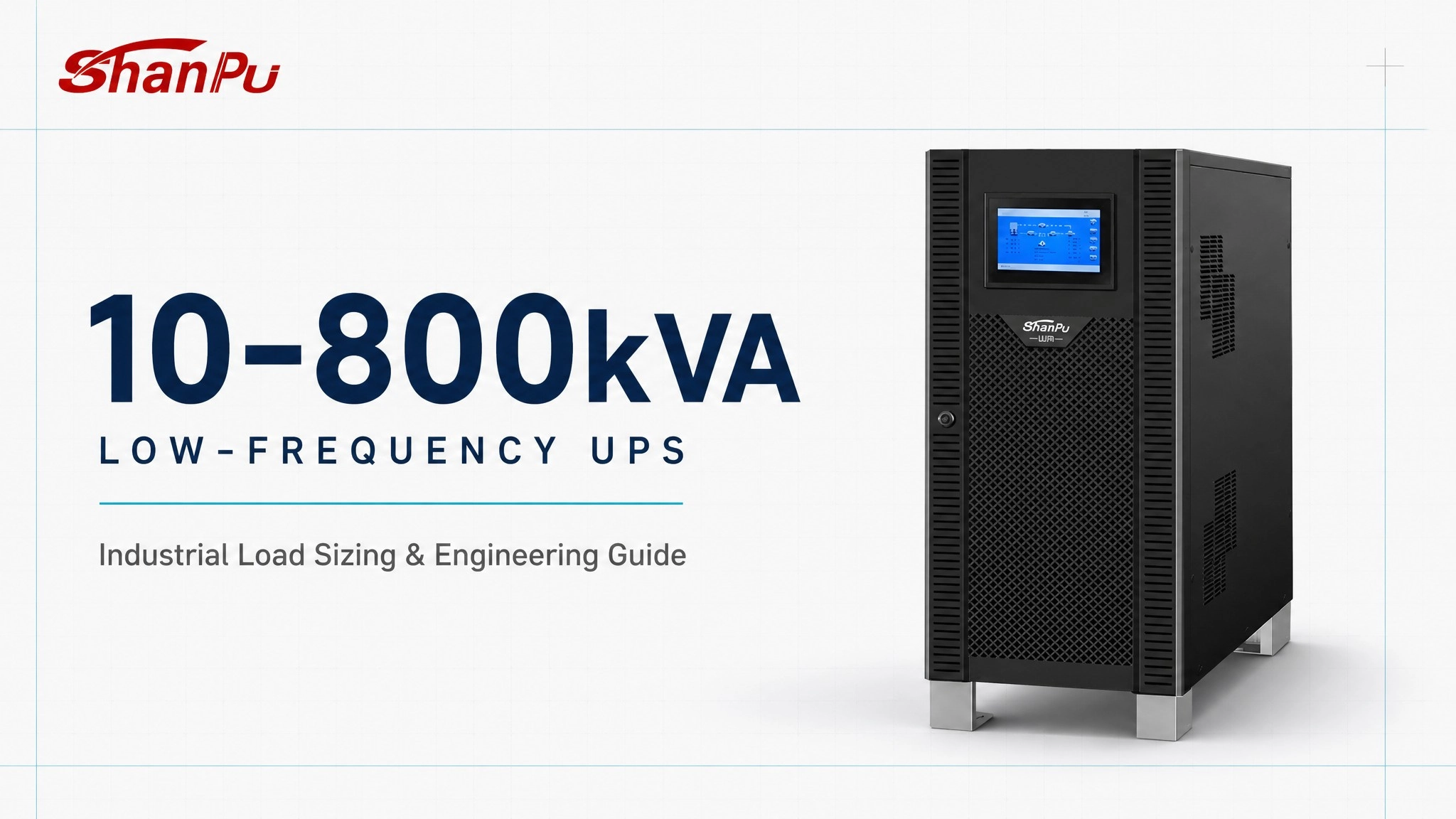
Low-Frequency UPS Engineering Guide: Sizing 10–800kVA Systems for Industrial Plant Loads
Voltage Sag Case Study: How a 1200kVA Modular UPS Project Was Rescued by Bus Distribution Box Selection
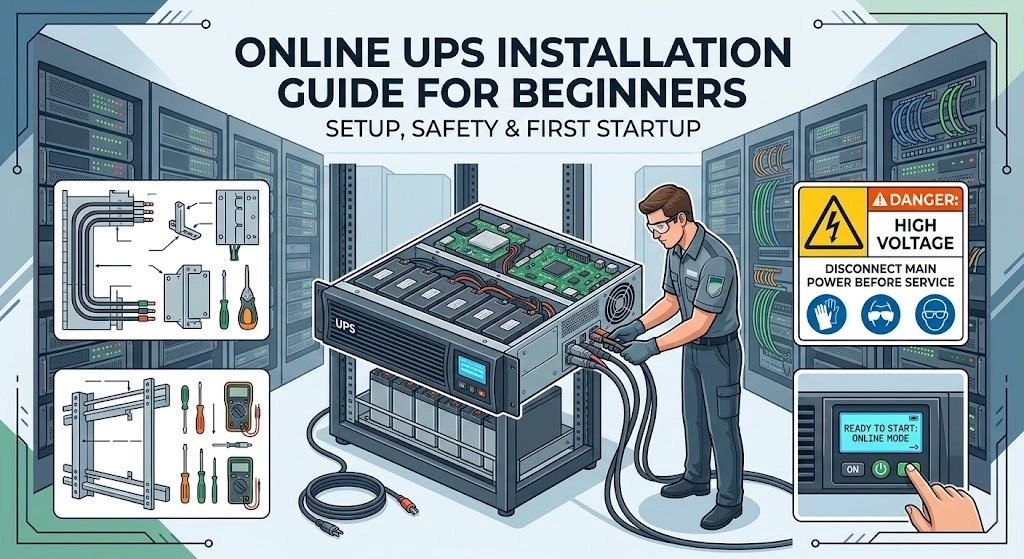
Online UPS Installation Guide for Beginners: Setup, Safety & First Startup
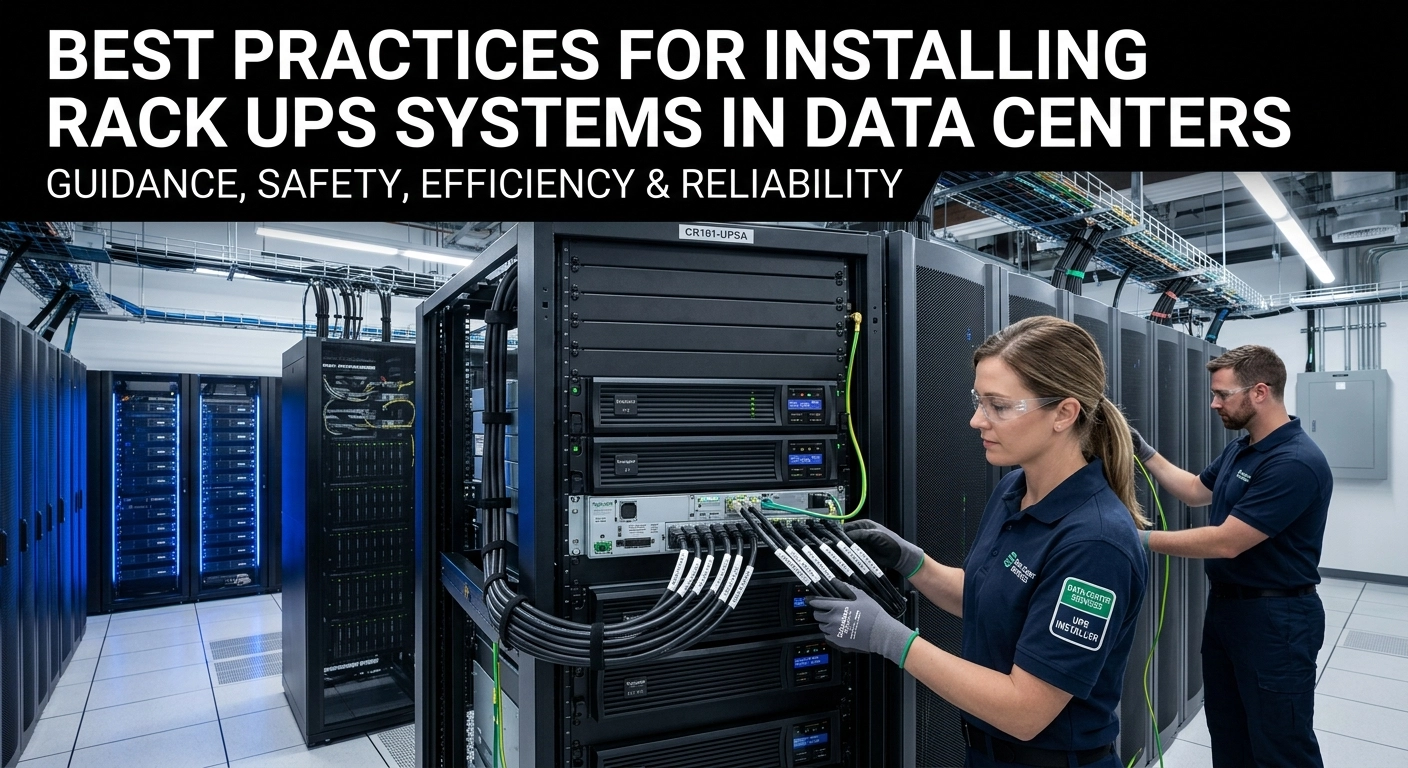
Best Practices for Installing Rack UPS Systems in Data Centers


Get in touch with us
If you have any comments or good suggestions, please leave us a message; later our professional staff will contact you as soon as possible.
© 2026 ShanPu. All Rights Reserved.
YouTube
SHANPU UPS
Shanpu