


what questions should buyers ask a pv inverter supplier? | Insights by ShanPu

Quick Answer
Ask a PV inverter supplier about system topology, PV-array voltage and current limits, local grid compatibility, operating efficiency, protection functions, and warranty and service terms. Request the exact model documentation and evidence relevant to your project. The right choice depends on the system design, installation location, applicable requirements, and supplier-specific terms.
How a PV Inverter Supplier Should Support Project Evaluation
A supplier should be able to identify the inverter model under discussion and provide the technical documents needed to assess it, such as a datasheet, installation instructions, and applicable conformity or test documentation. Buyers should check that these documents refer to the exact model and configuration being quoted, rather than relying on general product-family claims.
No company profile or product information was provided here, so specific development, OEM/ODM, quality-control, or certification capabilities cannot be confirmed. Before comparing offers, ask each supplier to clarify the model and options, system configuration, target market, applicable standards, order quantity, MOQ, lead time, testing scope, and quotation basis; confirm these terms for the specific project.
Discuss Your PV Inverter Project Requirements
Share the project location and grid type, PV module or array specifications, battery requirements if applicable, intended system topology, target inverter capacity, expected order quantity, and requested delivery timing. These details can help frame a discussion about suitable models, documentation, sample or evaluation steps, and a project-specific quotation. Send the information to SPU@gdshanpu.com.
Six Technical Questions to Ask a PV Inverter Supplier
What inverter topology fits my project's grid and battery design?
First establish whether the project needs a grid-tied, hybrid, or off-grid system. A grid-tied inverter operates in coordination with the utility and is generally designed to stop energizing the grid during an outage unless the system includes a suitably designed backup arrangement. A hybrid inverter may manage PV, battery, loads, and grid connections, but its backup capability depends on the model and configuration. Off-grid systems need an architecture that can form and regulate a local electrical supply. Ask for a single-line diagram or equivalent explanation showing how the proposed model handles PV input, batteries, grid connection, backup loads, and changeover. Confirm that the specific configuration supports the intended operating modes; product labels alone do not establish this.
Which PV array limits must I verify before ordering?
Compare the proposed inverter's maximum DC voltage, MPPT operating-voltage range, maximum input current, and permitted short-circuit current with the array design and module data. Calculate the module-string open-circuit voltage at the site's lowest expected cell temperature, because module voltage rises as temperature falls; the corrected string voltage must remain within the inverter's stated maximum DC input voltage. Check that the string's operating-voltage range remains usable across expected temperatures and that parallel strings do not exceed input-current limits. Also ask how many independent MPPT inputs the model has and how strings should be allocated. Do not treat a permitted DC-to-AC sizing ratio as a substitute for checking voltage and current limits in the manufacturer's documentation.
How do I confirm the inverter matches local grid rules?
Identify the exact country, utility, and point-of-connection requirements before selecting a model. Verify rated AC voltage, frequency, phase configuration, allowable operating ranges, and required grid-support functions against the applicable interconnection rules. Ask for documentation showing the exact inverter model and firmware or configuration covered by any claimed test or approval. Standards and approvals are jurisdiction- and application-specific: for example, IEEE 1547 is used in the United States for distributed energy resource interconnection, while UL 1741 addresses inverter and related equipment safety and performance in relevant North American contexts. IEC 61727 covers utility interface characteristics for photovoltaic systems, but its applicability depends on local adoption and project requirements. A generic statement that a product is compliant is not enough; confirm acceptance with the relevant authority or utility.
Which efficiency figures matter beyond the advertised peak?
Peak efficiency describes performance at a particular operating point and does not show how the inverter performs across a full day or across changing PV output. Ask for the efficiency definition, test basis, and weighted efficiency figure used for the relevant market; European and California weighted methods, for example, use different weighting approaches. Also review the efficiency curve across input voltage and load, and determine whether published figures include transformer or standby consumption where relevant. Efficiency should be considered alongside clipping, startup behavior, thermal derating, and the expected operating profile. Compare like-for-like data from exact models rather than relying on a single headline percentage.
What protection functions are included, and which need external devices?
Request the model-specific list of built-in protective functions and distinguish inverter functions from devices that must be supplied elsewhere in the system. Depending on the design and jurisdiction, relevant items may include anti-islanding, overcurrent protection, DC isolation, surge protection, ground-fault detection, and arc-fault detection. Ask which protection devices are integrated, their ratings and limitations, and what external breakers, disconnects, residual-current devices, or surge protective devices the installation design requires. The applicable selection depends on the local electrical code, system topology, and equipment instructions; a feature name alone does not establish that the complete installation meets those requirements. Have the responsible electrical designer verify the protection scheme.
What warranty, service, and spare-parts terms should buyers confirm?
Ask for the written warranty applicable to the exact model, sales region, and installation conditions. Review its start date, coverage period, exclusions, claim procedure, required records, and responsibility for diagnosis, shipping, labor, and replacement equipment. Confirm how technical support is accessed, what information is needed for troubleshooting, whether firmware updates are available for the model, and how replacement units or compatible spare parts are handled. For a bulk order, clarify whether serial-number traceability and consistent model revisions will be documented. Avoid relying on verbal assurances: the signed commercial and warranty documents should state the terms that apply to the project.
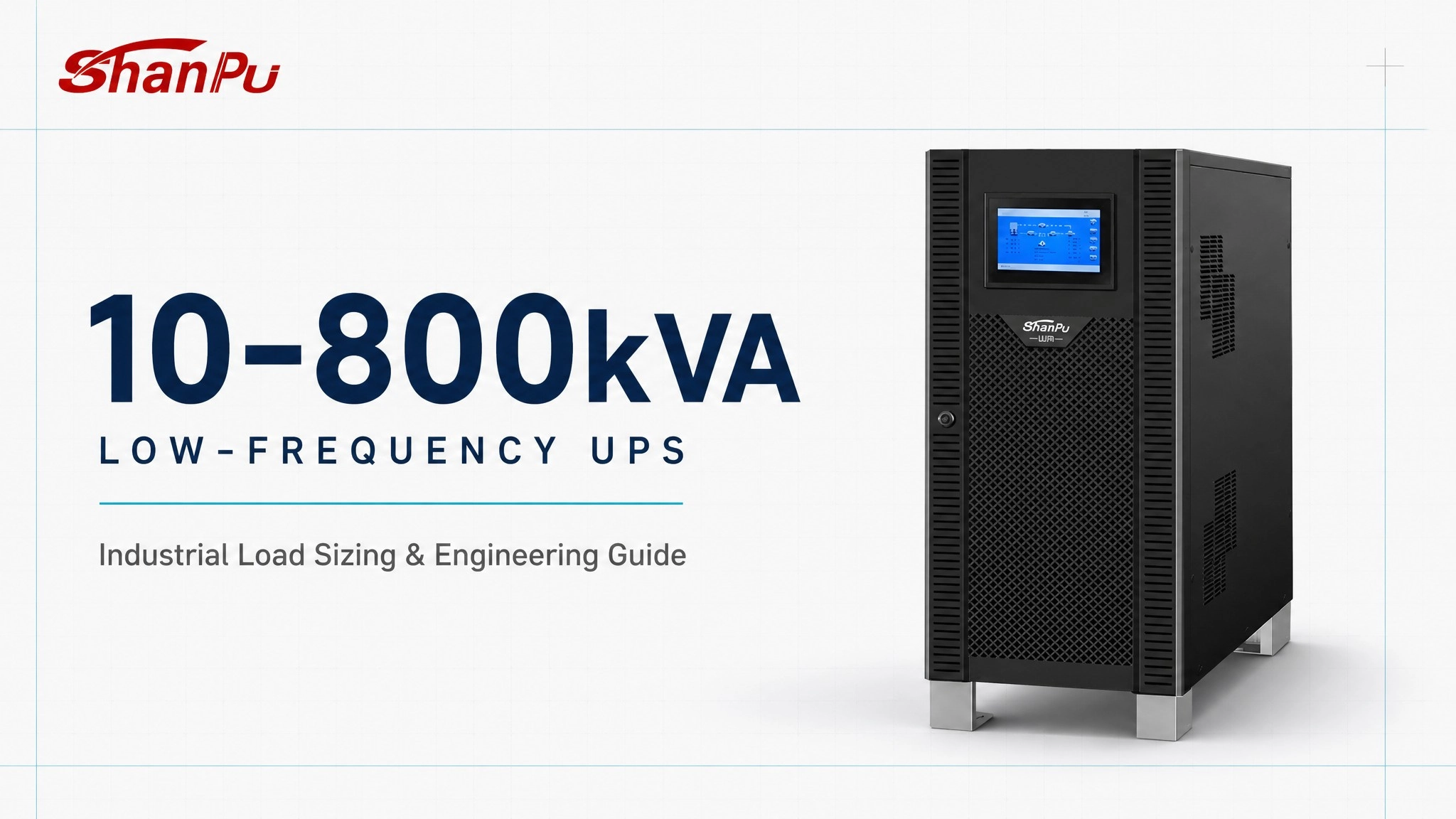
Low-Frequency UPS Engineering Guide: Sizing 10–800kVA Systems for Industrial Plant Loads

Voltage Sag Case Study: How a 1200kVA Modular UPS Project Was Rescued by Bus Distribution Box Selection
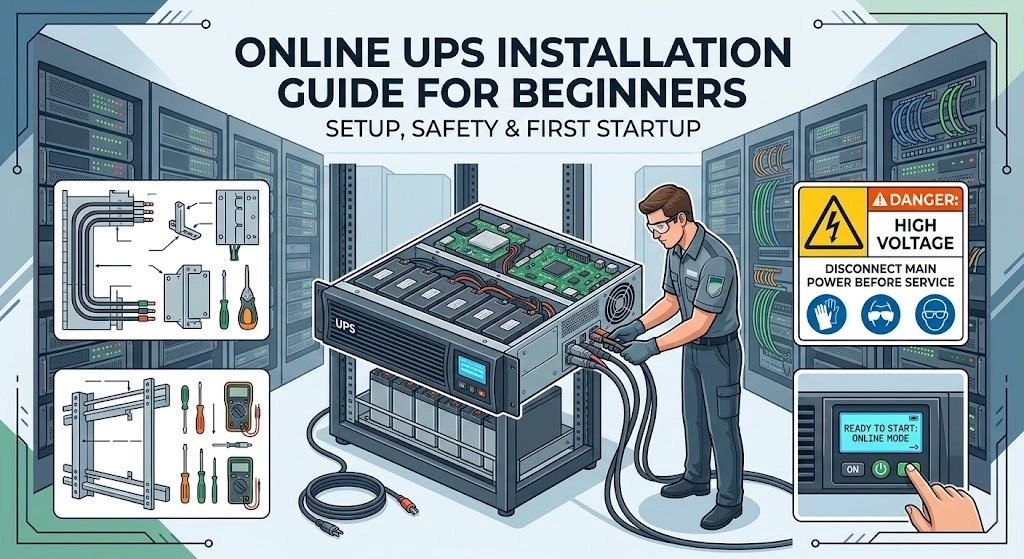
Online UPS Installation Guide for Beginners: Setup, Safety & First Startup
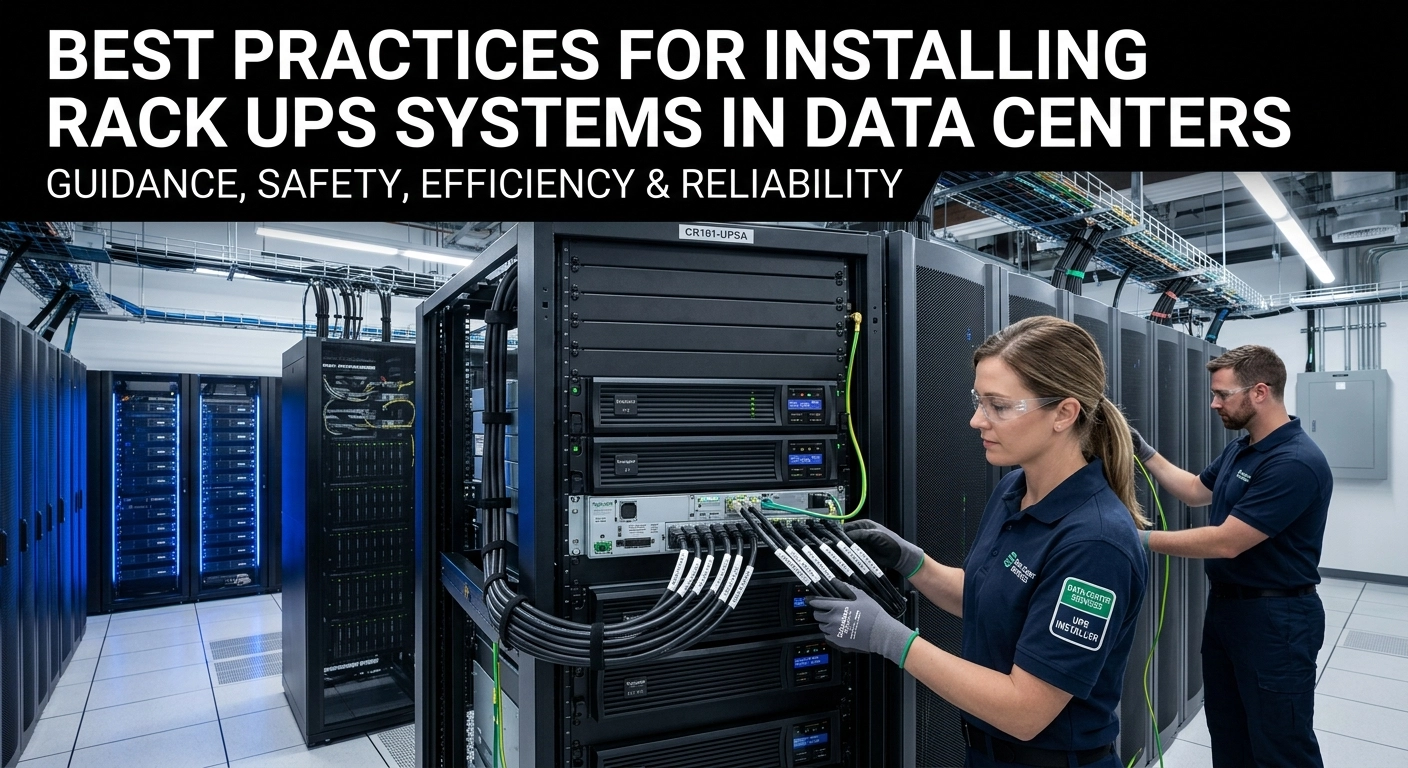
Best Practices for Installing Rack UPS Systems in Data Centers


Get in touch with us
If you have any comments or good suggestions, please leave us a message; later our professional staff will contact you as soon as possible.
© 2026 ShanPu. All Rights Reserved.
YouTube
SHANPU UPS
Shanpu