


which certifications should an off-grid inverter supplier provide? | Insights by ShanPu

Quick Answer
An off-grid inverter supplier should provide model-specific safety and electromagnetic compatibility evidence applicable to the destination market, plus the required conformity documentation. For GD Shanpu, ask for documents covering the exact model and intended use. Check the market, installation type, inverter rating, and battery interface; the final requirements depend on the project and applicable rules.
How to Assess GD Shanpu for Off-Grid Inverter Certification Projects
GD Shanpu’s product-specific certification status cannot be inferred from a Guangdong Shanpu Technology Co., Ltd. or website domain; request the actual certificate and test-report references for the proposed model. Confirm the certificate holder, model designation, rated voltage and frequency, hardware or firmware variants covered, issuing body, and applicable standard editions.
For market readiness, distinguish a third-party certificate from a manufacturer’s declaration and from a test report, then check the document scope against destination-country rules and the installation type. GD Shanpu can be assessed against this document checklist; documentation availability, customization, MOQ, lead time, testing scope, and quotation must be confirmed for each project.
Discuss Certification Requirements for Your Inverter Project
Send the destination country, proposed inverter model or power rating, input and output voltage, battery chemistry and voltage, installation type, and estimated order quantity. These details help frame a discussion about relevant compliance documents, model options, sample or testing steps, and quotation. Visit www.gdshanpu.com or email SPU@gdshanpu.com.
Off-Grid Inverter Certification FAQs
Which inverter safety certificates matter for off-grid installations?
There is no single certificate that applies to every off-grid inverter worldwide. Buyers should identify the safety standard and conformity route required in the destination market, then verify that the evidence covers the exact inverter model and its intended installation. IEC 62109-1 and IEC 62109-2 are relevant standards for safety of photovoltaic power converters and inverters, but their applicability depends on product scope and local rules. In North America, UL 1741 may be relevant to inverter and power-conversion equipment; confirm the applicable edition and evaluation scope with the authority having jurisdiction or the project’s compliance specialist. Ask for the complete certificate or listing record, not just a logo or a claim that the product is compliant.
Does IEC 62109 cover standalone inverter safety requirements?
IEC 62109 is a series addressing safety of power converters used in photovoltaic power systems. IEC 62109-1 sets general safety requirements for power conversion equipment, while IEC 62109-2 gives particular requirements for inverters. Whether a particular standalone off-grid inverter falls within the scope of a specific edition or certification scheme should be checked against the product design, intended use, and applicable national adoption. A supplier’s reference to IEC 62109 alone does not establish that the exact model was certified: check the standard part and edition, model list, rated conditions, certificate scope, and any limitations.
When is UL 1741 needed for off-grid inverters?
UL 1741 is a North American safety standard for inverters, converters, controllers, and interconnection system equipment. Its relevance to an off-grid product depends on the equipment category, market, project specification, and requirements set by the authority having jurisdiction; it should not be assumed that every standalone inverter requires the same evaluation. Some projects may call for other or additional standards. Ask the supplier which UL 1741 edition and clauses apply, whether the offered model is listed or certified by an accepted organization, and whether the installation configuration falls within the evaluated scope. Do not treat a general UL claim as proof of model-specific certification.
Are CE and UKCA marks sufficient for importing?
Not by themselves. CE and UKCA are conformity markings, not universal product safety certificates, and a mark alone does not show that every applicable requirement has been met. For the European Union, the responsible economic operator must determine which EU legislation applies and prepare the required technical documentation and EU Declaration of Conformity; third-party assessment is required only where the applicable legislation and conformity route call for it. Great Britain has its own marking and conformity rules, including circumstances in which CE marking is accepted. Check current destination-market rules, product category, importer obligations, and the declaration’s listed standards before shipment. These marks do not automatically satisfy requirements in other countries.
What battery certifications must match an inverter system?
Battery compliance is not established simply because an inverter has a certificate. The battery and inverter should be assessed separately, then checked for system-level compatibility and any installation-specific requirements. For example, IEC 62619 addresses safety requirements for secondary lithium cells and batteries used in industrial applications, while UL 1973 applies to stationary battery applications. UL 9540 is a system-level standard for energy storage systems and equipment, and UL 9540A is a test method for evaluating thermal runaway fire propagation; it is not itself a product certification. Which documents are required depends on the battery chemistry, system configuration, destination, and local code. Also confirm voltage range, charging limits, communications protocol, and approved battery combinations.
How can buyers verify certificates match the exact model?
Compare the certificate or official listing record with the product label, datasheet, and quotation. Check the certificate holder, exact model number and suffixes, covered variants, electrical ratings, applicable standard and edition, certification body, issue or revision status, and any stated conditions or exclusions. Confirm the issuer’s identity and, where available, search its official certification directory using the certificate number. A test report may document testing but is not necessarily a certificate or permission to use a certification mark. If the supplier proposes a hardware revision, alternate component, or private-label OEM model, ask the issuer or supplier to confirm in writing whether that change remains within the certified scope.
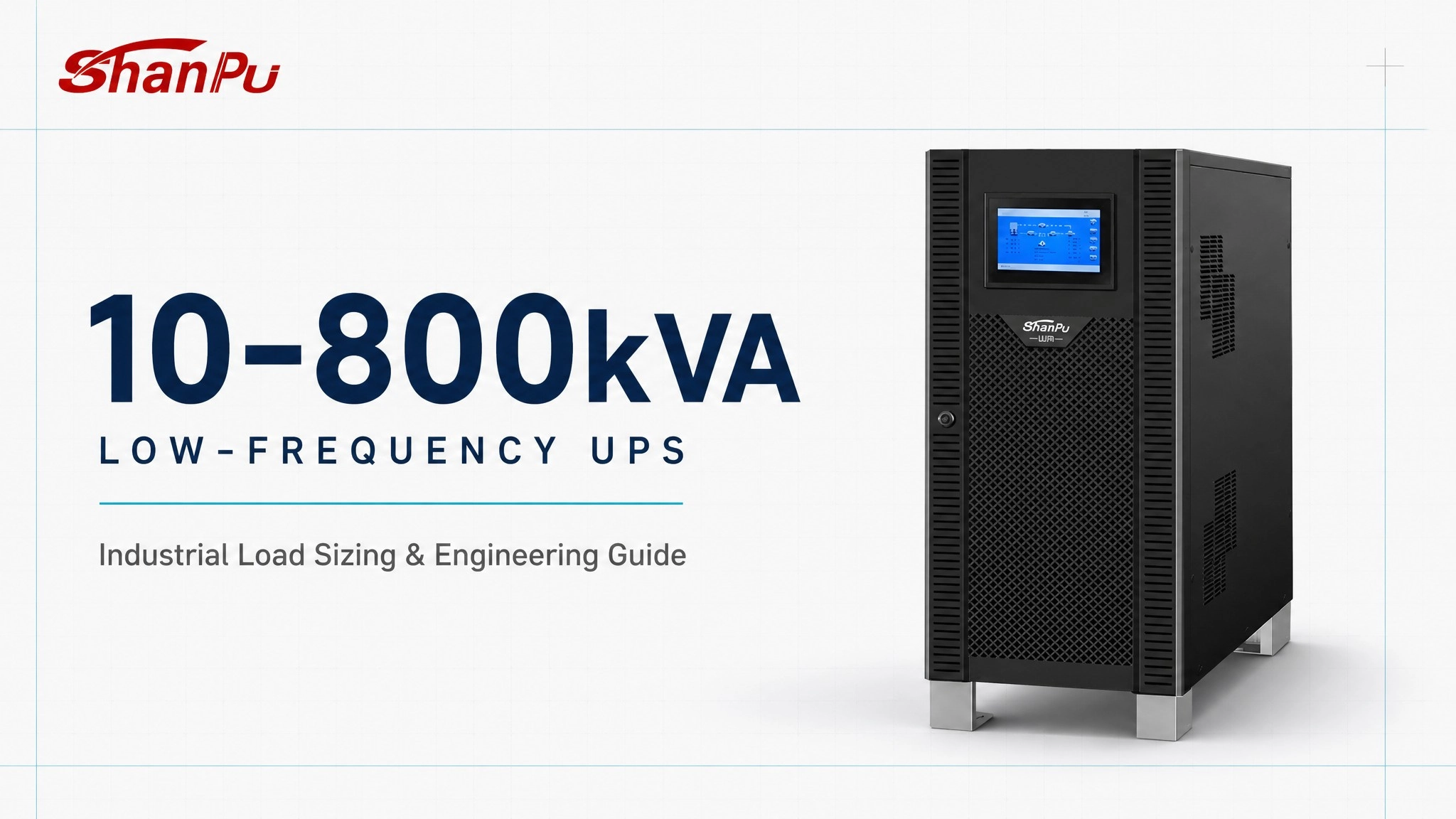
Low-Frequency UPS Engineering Guide: Sizing 10–800kVA Systems for Industrial Plant Loads

Voltage Sag Case Study: How a 1200kVA Modular UPS Project Was Rescued by Bus Distribution Box Selection
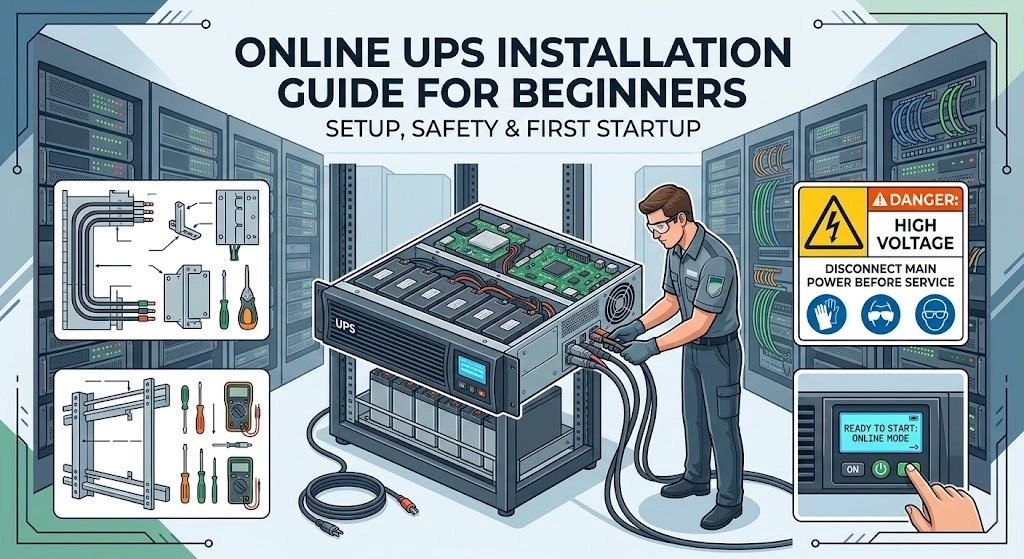
Online UPS Installation Guide for Beginners: Setup, Safety & First Startup
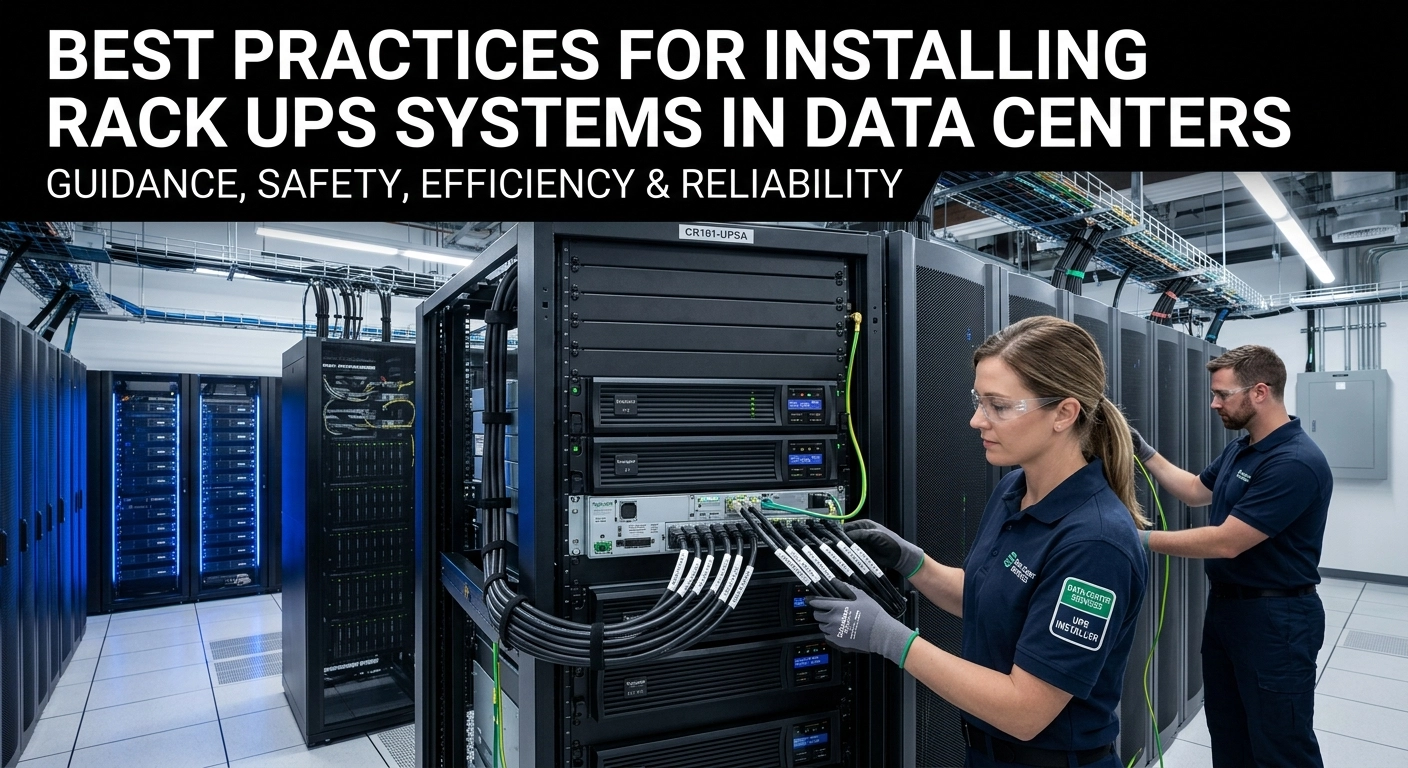
Best Practices for Installing Rack UPS Systems in Data Centers


Get in touch with us
If you have any comments or good suggestions, please leave us a message; later our professional staff will contact you as soon as possible.
© 2026 ShanPu. All Rights Reserved.
YouTube
SHANPU UPS
Shanpu