


what is the difference between a hybrid inverter and a regular inverter? | Insights by ShanPu

Quick Answer
A hybrid inverter can manage solar generation, battery storage, and grid power in one system; a regular inverter usually serves a narrower role, such as converting solar power for grid use. The right choice depends on battery plans, backup requirements, system architecture, power capacity, and local interconnection rules. Final selection depends on project specifications and site conditions.
How to Assess Supplier Support for Hybrid Inverter Projects
The available company information provides a contact email but no verified product range, engineering services, customization scope, or quality-control details. Ask the prospective supplier for model-specific datasheets, supported battery and communication protocols, operating modes, and the applicable test documentation before comparing offers.
Confirm whether the proposed unit supports the intended grid, generator, and backup configuration, then check rated power, surge capacity, phase type, and environmental limits against the project. MOQ, lead time, testing scope, and quotation must be confirmed for each project rather than assumed from a general product description.
Discuss Your Hybrid Inverter Project Requirements
When requesting a technical discussion, share the target country or grid standard, solar array capacity, battery chemistry and capacity, required backup loads, single- or three-phase supply, expected order quantity, and any preferred model or communication interface. These details can help structure a comparison of suitable configurations, sample or testing steps, and quotation requirements. Send project information to SPU@gdshanpu.com.
Hybrid and Regular Inverter FAQs
Can a hybrid inverter power my home during a grid outage?
Only if the model and system are designed to operate while the utility grid is unavailable. Grid-connected inverters generally stop exporting power during an outage to avoid energizing lines that utility workers may consider de-energized. A hybrid system needs an islanding or backup function, an appropriate transfer arrangement, and a defined backup circuit. The battery, inverter, and protected loads must also be sized for the required power and duration. Check the product documentation for its backup output rating and operating conditions; the label “hybrid” alone does not confirm that a particular installation will provide backup.
Does a hybrid inverter need batteries to operate?
Not necessarily. Some hybrid models can convert solar power and supply loads or export to the grid without a battery, while other models require a battery for particular operating modes or may have restrictions without one. The answer depends on the specific inverter’s design and firmware, so check its manual for battery-free operation, startup requirements, and permitted grid or solar modes. A system operating without storage cannot use a battery to supply energy after solar generation falls, and it should not be assumed to provide backup during a grid outage.
Can I add batteries later to a regular solar inverter?
Sometimes, but it depends on the existing inverter and the battery system selected. A grid-tied solar inverter that lacks a battery connection may be paired with a separate, compatible battery inverter in an AC-coupled arrangement. Alternatively, replacing it with a battery-compatible hybrid inverter may be possible, subject to electrical design and local requirements. Before purchasing, confirm compatibility with the battery’s voltage range and controls, the existing inverter’s operating behavior, export settings, and whether backup operation is required. Adding storage does not by itself make a grid-tied inverter capable of powering loads during an outage.
How does DC-coupled differ from AC-coupled hybrid systems?
In a DC-coupled arrangement, solar panels and the battery connect on the DC side of a compatible inverter, allowing energy to reach the battery without first being converted to AC by a separate solar inverter. In an AC-coupled arrangement, a solar inverter converts panel output to AC and a separate battery inverter manages battery charging and discharge. The architectures differ in equipment requirements, conversion paths, controls, and retrofit suitability. Neither is inherently more efficient in every installation: actual results depend on the equipment, operating conditions, and whether energy is stored or used directly.
Is a hybrid inverter more efficient than a regular inverter?
There is no universal efficiency winner. A hybrid inverter may handle several energy paths, but conversion losses vary according to whether power flows from solar directly to loads, through a battery, or between AC and DC components. A comparison should use manufacturer datasheets for the relevant operating modes, including inverter efficiency and battery charge-discharge or round-trip figures when provided. Compare like with like at the expected power level and account for standby consumption and system design. A single headline efficiency value does not describe performance across every operating condition.
What should I check before sizing a hybrid inverter?
Start with the solar array’s DC capacity and voltage range, the expected continuous AC load, and the largest short-duration starting loads. Then confirm the inverter’s rated output, surge capability, phase configuration, battery voltage and current limits, and supported charging power. For backup, identify which circuits must remain powered and whether their combined demand fits the backup output rating. Also check local grid-interconnection requirements, operating temperature limits, and communication compatibility with the proposed battery. The inverter and battery should be assessed as a system, not selected from nominal power figures alone.
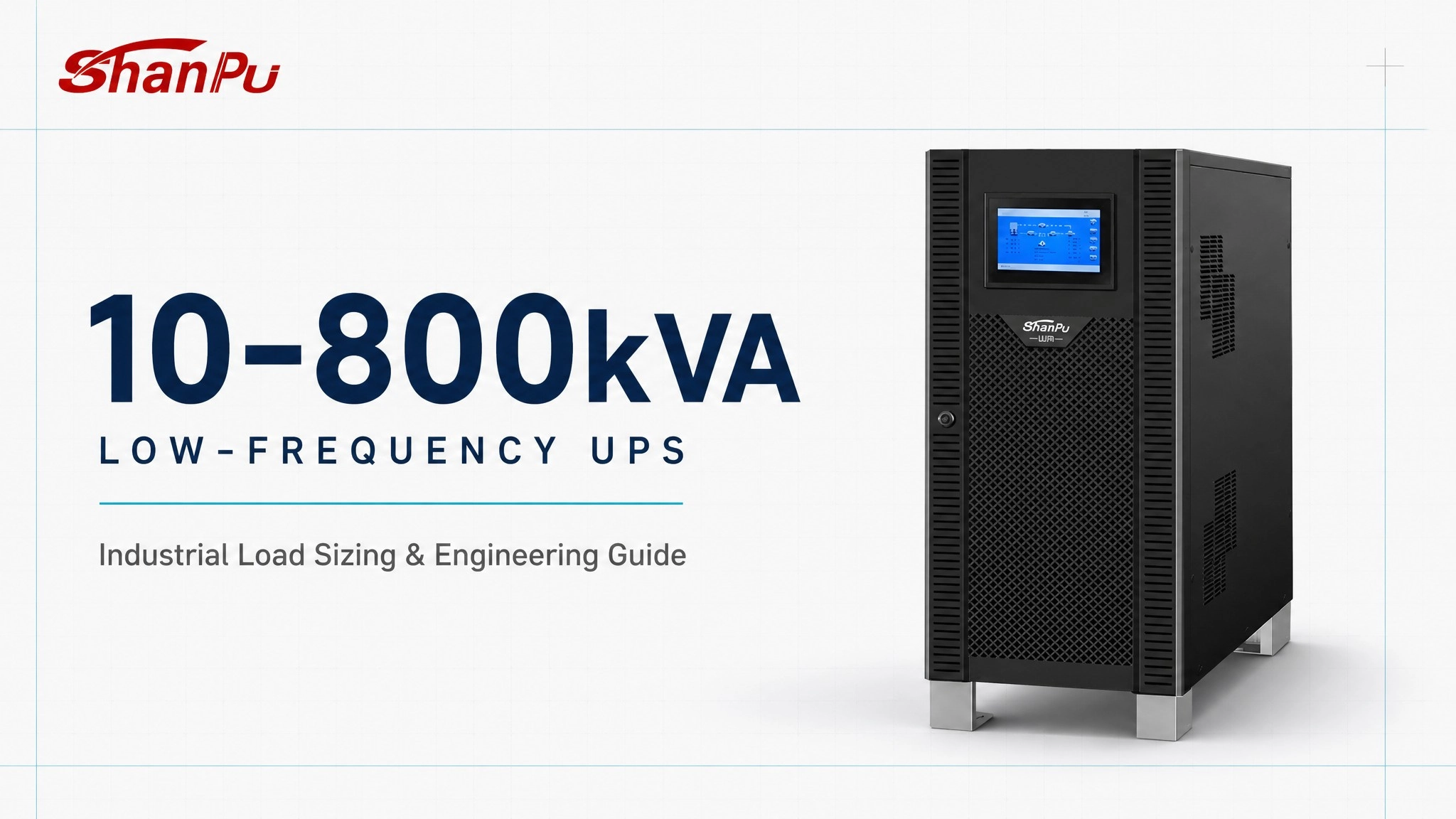
Low-Frequency UPS Engineering Guide: Sizing 10–800kVA Systems for Industrial Plant Loads
Voltage Sag Case Study: How a 1200kVA Modular UPS Project Was Rescued by Bus Distribution Box Selection
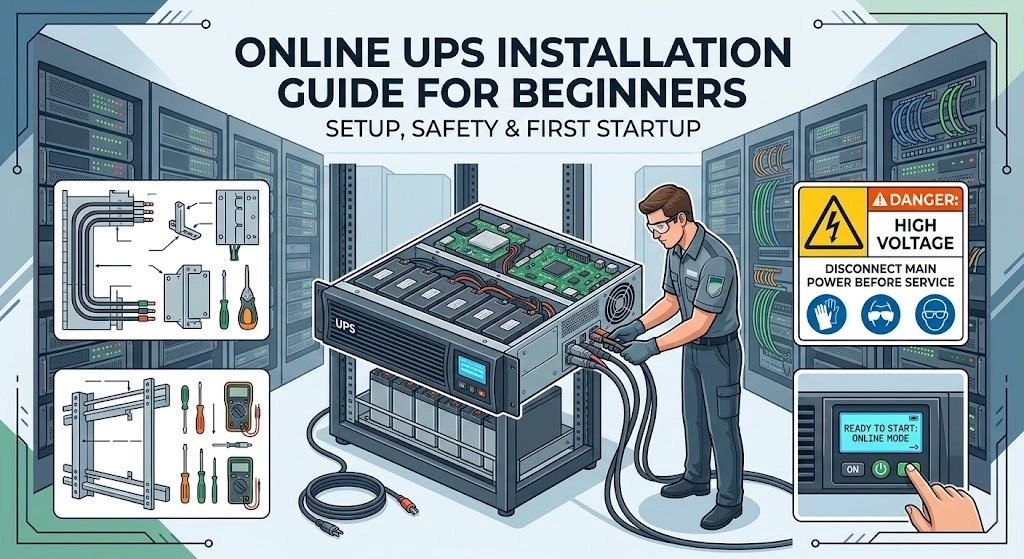
Online UPS Installation Guide for Beginners: Setup, Safety & First Startup
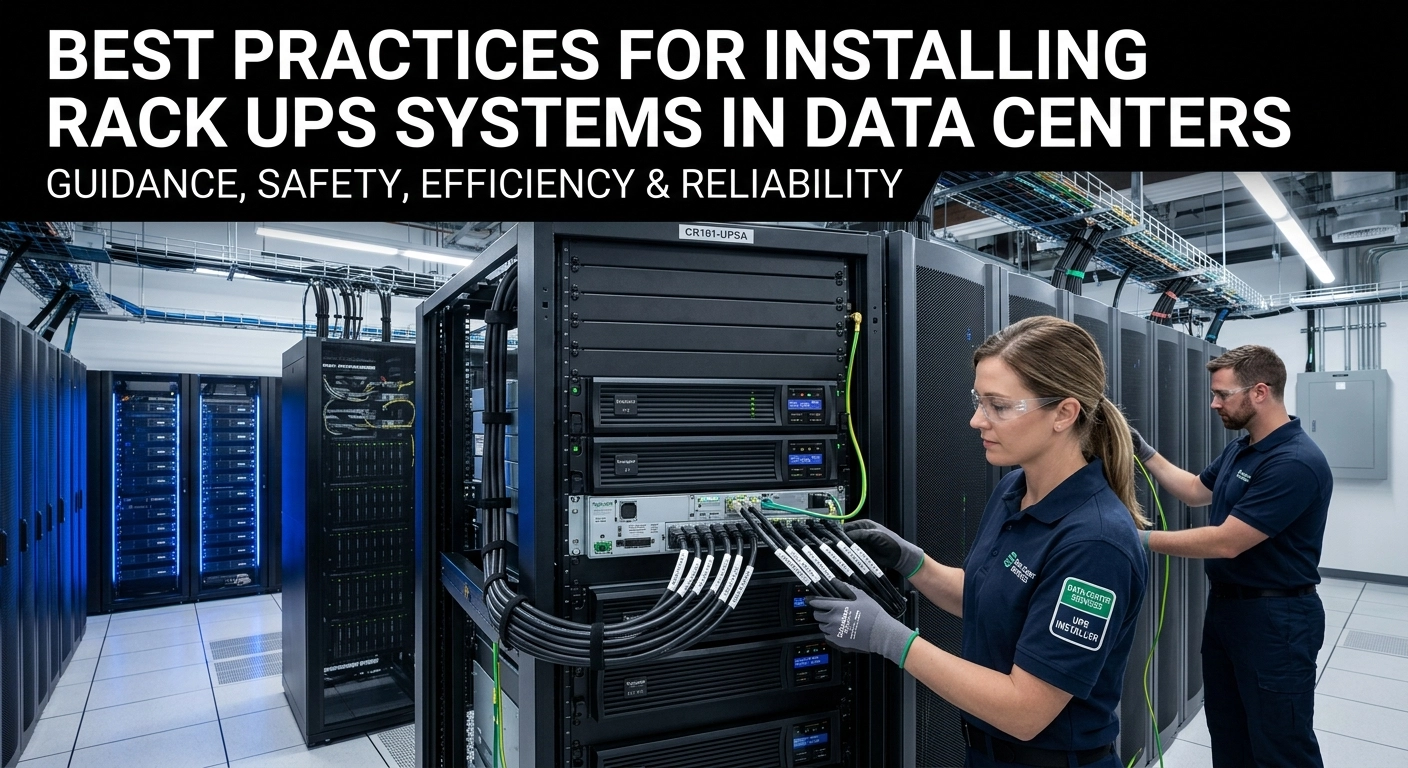
Best Practices for Installing Rack UPS Systems in Data Centers


Get in touch with us
If you have any comments or good suggestions, please leave us a message; later our professional staff will contact you as soon as possible.
© 2026 ShanPu. All Rights Reserved.
YouTube
SHANPU UPS
Shanpu