


which batteries are compatible with a hybrid inverter? | Insights by ShanPu

Quick Answer
Which batteries are compatible with a hybrid inverter? Only batteries that match the inverter’s supported chemistry, voltage range, charge and discharge limits, and battery-management-system (BMS) interface are suitable; compatibility is model-specific, not determined by voltage alone. No brand-specific compatibility list or company capability profile was provided, so confirm the battery against the inverter manual and validate the final choice for project testing and site conditions.
How to Assess Hybrid Inverter Battery Compatibility Projects
No brand name, product catalog, or company capability profile was supplied, so this article cannot verify a specific manufacturer’s battery range, OEM/ODM scope, customization options, or quality-control process. A supplier should provide a model-specific compatibility matrix or written confirmation rather than relying on a general claim that a battery is “hybrid compatible.”
For a technical review, compare the inverter make and exact model, battery chemistry, nominal and operating voltage, permitted charge and discharge current, capacity limits, BMS protocol and firmware requirements, and applicable operating temperature range. MOQ, lead time, testing scope, and quotation must be confirmed per project, because none of those commercial or validation details were provided here.
Discuss Your Hybrid Inverter Battery Requirements
To assess a project, send the inverter make and model, battery chemistry, voltage and capacity, BMS interface, target market, expected order quantity, and required delivery timing. These details can support a discussion of compatibility evidence, sample or validation steps, and a project quotation; commercial terms and test scope need confirmation. Email the project brief to SPU@gdshanpu.com.
Hybrid Inverter Battery Compatibility FAQs
Which battery chemistries can a hybrid inverter actually support?
Lithium iron phosphate (LFP) and lead-acid batteries are supported by some hybrid inverters, but support depends on the exact inverter model and its approved battery settings. Other lithium chemistries may be usable only when the inverter’s charging profile and battery-management requirements explicitly support them. Check the inverter manual or approved battery list for the specific model; matching nominal voltage alone does not establish chemistry compatibility.
Can I connect a 48V lithium battery to any hybrid inverter?
No. A battery labeled 48V is not automatically compatible with every inverter designed for a 48V-class battery bank. Compare the battery’s full operating-voltage range with the inverter’s permitted DC input and charging range, and verify supported chemistry, charge and discharge current limits, and BMS communication requirements. Confirm that the exact battery model is approved or obtain written compatibility confirmation before connecting it.
How do I verify BMS communication before buying a battery?
Check the inverter and battery documentation for the supported communication method and protocol, such as CAN or RS-485, and confirm that both devices use compatible data definitions and settings. A matching connector or communication-port label alone is not proof of compatibility: pin assignments, battery addressing, firmware, and configuration may also matter. Look for the exact battery model on the inverter maker’s compatibility list or request model-specific confirmation from the suppliers.
Can a hybrid inverter charge lead-acid and lithium batteries?
Some hybrid inverters can be configured for lead-acid or lithium battery operation, but this does not mean they support both battery types in the same setup. The selected battery mode must match the battery’s charging requirements, voltage limits, and monitoring or BMS arrangement. Do not combine different chemistries in one battery bank unless the inverter and battery manufacturers explicitly specify a suitable system configuration.
What happens when battery voltage falls outside inverter limits?
An inverter may refuse to start battery operation, stop charging or discharging, or report a fault when the battery voltage is outside its permitted range. A battery’s BMS may also disconnect it to protect the cells, interrupting power flow. Check both devices’ operating limits and the battery’s protection settings; do not attempt to bypass a BMS or force charging outside manufacturer specifications.
Can parallel batteries from different brands work with one inverter?
They can work together only if the inverter and battery manufacturers permit that arrangement and the batteries can operate as a compatible bank. Verify the supported parallel configuration, chemistry, voltage, BMS communication and control, current sharing, firmware, and any limits on battery models or capacities. Different brands may use incompatible BMS protocols or control behavior, so do not assume that matching voltage and chemistry makes a mixed-brand bank suitable.
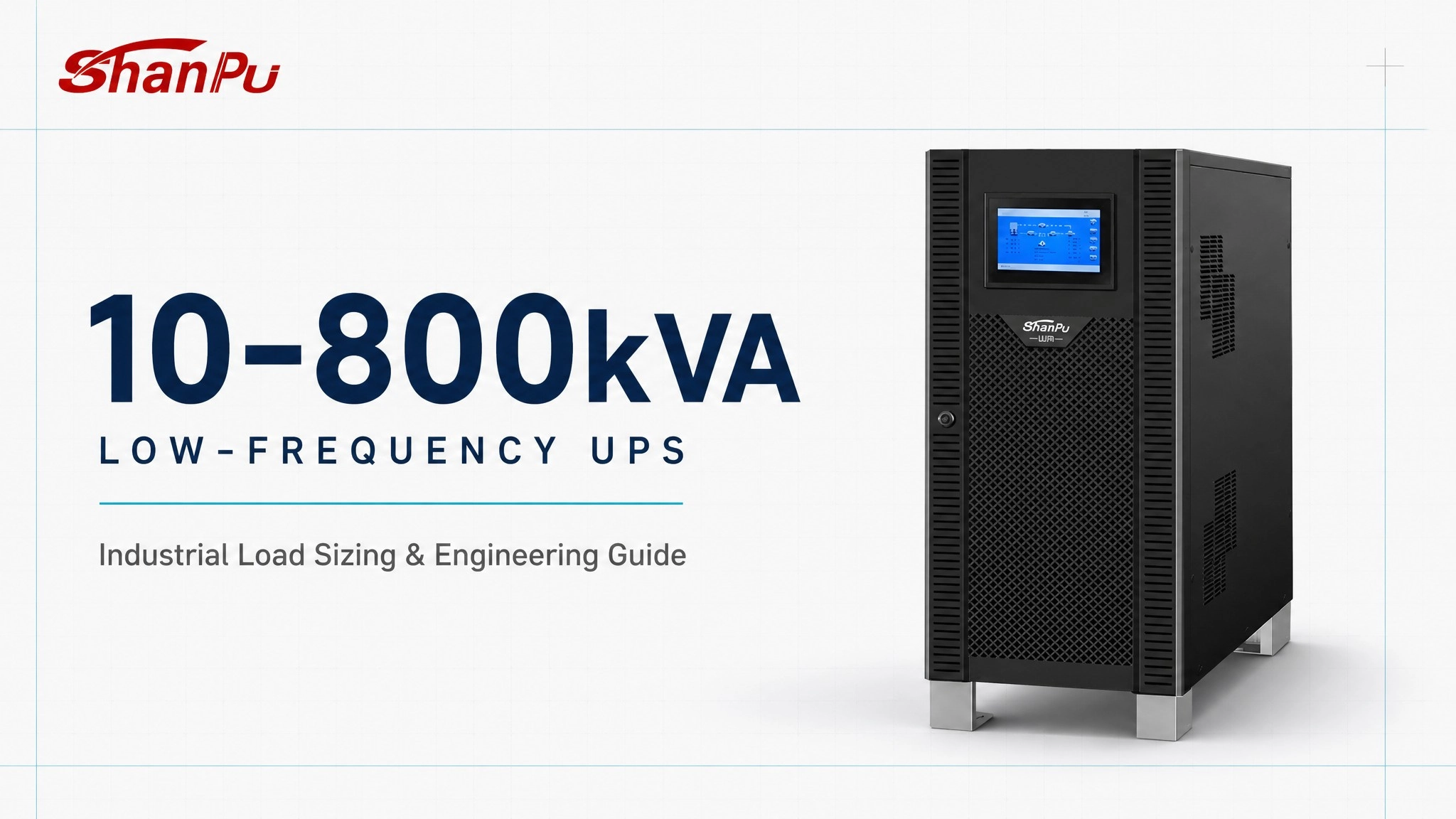
Low-Frequency UPS Engineering Guide: Sizing 10–800kVA Systems for Industrial Plant Loads

Voltage Sag Case Study: How a 1200kVA Modular UPS Project Was Rescued by Bus Distribution Box Selection
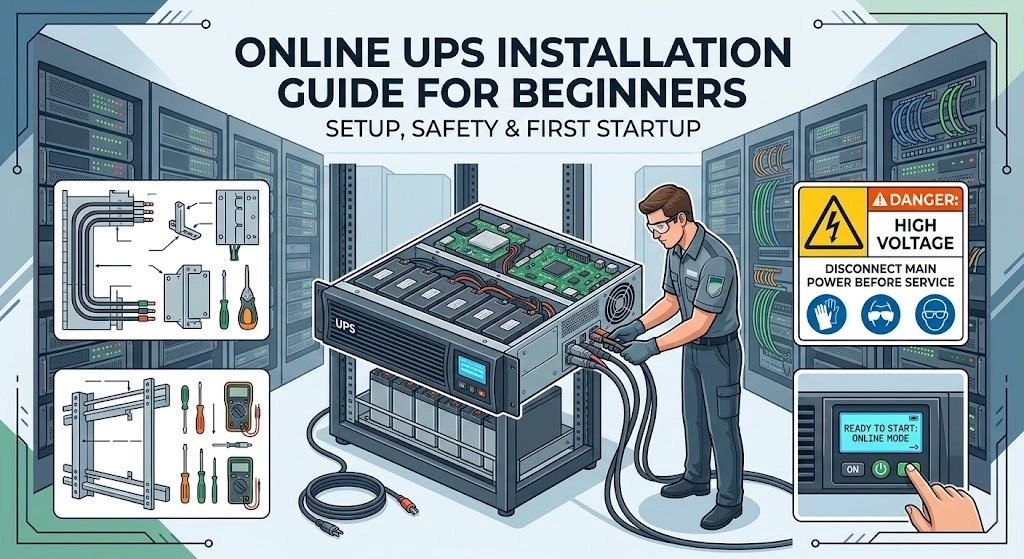
Online UPS Installation Guide for Beginners: Setup, Safety & First Startup
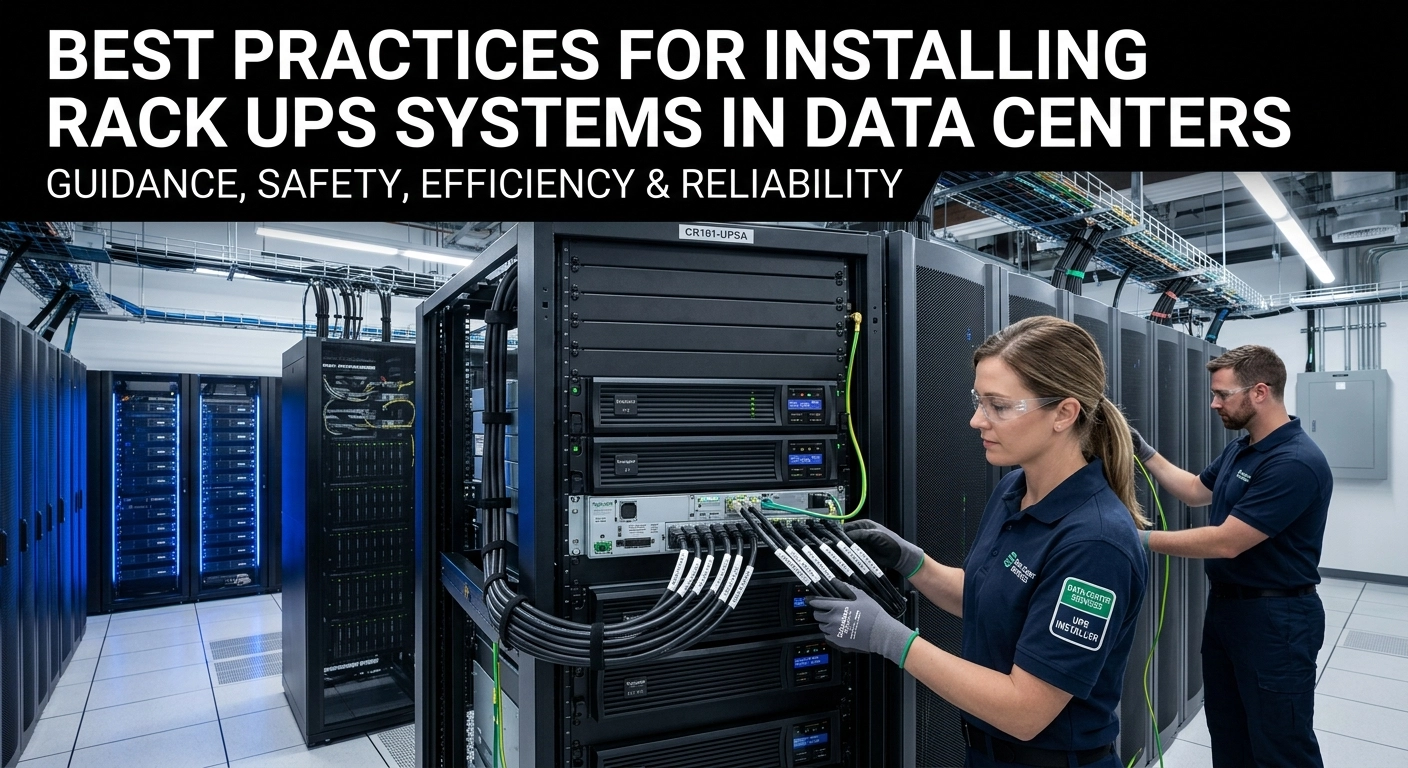
Best Practices for Installing Rack UPS Systems in Data Centers


Get in touch with us
If you have any comments or good suggestions, please leave us a message; later our professional staff will contact you as soon as possible.
© 2026 ShanPu. All Rights Reserved.
YouTube
SHANPU UPS
Shanpu