


which grid-tied inverter features matter in hot climates? | Insights by ShanPu

Quick Answer
When asking which grid-tied inverter features matter in hot climates, prioritize the ambient-temperature power derating curve, maximum operating temperature, thermal-management approach, enclosure protection, and installation-clearance requirements. Compare the datasheet at the expected site temperature, not only the rated output under standard conditions. Model selection depends on project-specific heat, dust, altitude, mounting location, and grid requirements.
How a Supplier Supports Hot-Climate Grid-Tied Inverter Projects
No brand name or company profile was provided, so product-development, OEM/ODM, testing, certification, and manufacturing capabilities cannot be verified here. When evaluating a supplier, request the applicable model datasheet, derating curve, installation manual, and documentation for any claimed operating limits.
Confirm rated-output conditions, maximum ambient temperature, derating thresholds, cooling method, IP rating, altitude correction, and required clearances against the project specification. MOQ, lead time, testing scope, and quotation must be confirmed per project; they cannot be inferred without supplier and order details.
Discuss Hot-Climate Inverter Requirements for Your Project
Share the site’s expected maximum ambient temperature, altitude, dust or humidity exposure, mounting arrangement, grid voltage and phase, PV-array voltage and current, and target AC power and order quantity. These details can support a discussion of suitable options, documentation, sample or testing steps, and quotation. Contact SPU@gdshanpu.com.
Hot-Climate Grid-Tied Inverter FAQs
How does inverter derating change as ambient temperatures rise?
An inverter may reduce its permitted AC output when its internal temperature approaches a model-specific limit. The relevant evidence is the manufacturer’s continuous power-versus-ambient-temperature derating curve, not simply the maximum operating temperature printed on a datasheet. Check the curve at the site’s expected ambient conditions and verify what temperature the manufacturer means, since direct sun, a hot wall, or restricted airflow can make the air around an inverter warmer than a weather-station reading. Also check whether altitude changes the stated output limits. Derating behavior differs by model, so compare curves for the same output rating and operating conditions rather than assuming a universal temperature threshold.
Which enclosure rating helps prevent heat buildup outdoors?
An IP rating describes protection against ingress of solids and water under the conditions of the IEC 60529 classification system; it does not state how effectively an inverter sheds heat. For example, the first digit distinguishes dust protection levels, with IP5X indicating dust-protected and IP6X dust-tight enclosures. A higher dust-protection level is not, by itself, evidence of better thermal performance. Enclosure design and cooling method matter: a sealed unit may manage heat differently from a design that uses fans or air passages. Compare the specified IP rating with the site’s dust and water exposure, then check the installation manual for ventilation, filter cleaning, and maintenance requirements.
Should an inverter be oversized for hot-climate output losses?
Do not size an inverter from a general hot-weather rule. A PV array with DC capacity above the inverter’s AC rating can experience clipping when available DC power exceeds the inverter’s conversion limit; temperature-related AC derating can further affect output during hot periods. Whether a particular DC-to-AC ratio suits a project depends on hourly weather, module orientation, shading, grid export limits, and the inverter’s permitted DC voltage and current. Module voltage also changes with cell temperature: hot modules have lower operating voltage, while cold conditions are important when checking maximum open-circuit voltage. Model the proposed array and inverter together, and stay within the manufacturer’s electrical limits.
How much installation clearance does a hot inverter need?
Use the clearances and orientation specified in the model’s installation manual; there is no universal spacing that fits every enclosure and cooling design. The inverter needs its required airflow path and must not discharge hot air into an obstructed recess or directly toward another heat-sensitive unit. Walls, roofs, and nearby equipment can contribute reflected or trapped heat, while direct solar exposure can raise enclosure temperature. If using a shade structure, ensure it does not block ventilation or required service access. For fan-cooled models, check the manual’s provisions for intake access, filter inspection, and cleaning. Confirm clearance with the installer’s layout before fixing the equipment position.
Do nighttime cooling cycles affect inverter reliability in deserts?
Repeated temperature changes can contribute to thermal stress in electronic assemblies, but the effect on a particular inverter cannot be judged from a climate label alone. Desert sites also vary in dust, humidity, wind, and day-to-night temperature range. Check the manufacturer’s operating-temperature and humidity specifications, including whether humidity limits assume non-condensing conditions, and ask what environmental testing applies to the model. Condensation risk depends on local moisture and equipment conditions; dry desert air does not establish that condensation is impossible. Dust can also affect cooling paths or filters on designs that use them, so follow the product’s maintenance instructions and assess exposure at the actual installation site.
Which temperature data should buyers compare on datasheets?
Compare the rated ambient operating range, the temperature up to which the inverter can deliver its stated output, the full power-derating curve, and the maximum specified ambient temperature. These figures answer different questions: a maximum operating limit does not necessarily mean full rated output is available up to that point. Check how the manufacturer defines ambient temperature and whether the listed performance assumes a particular mounting arrangement or airflow. Review altitude-related derating separately, and compare cooling method and enclosure information alongside temperature data. For project estimates, use representative site conditions and model output over time rather than selecting equipment solely by the largest maximum-temperature figure.
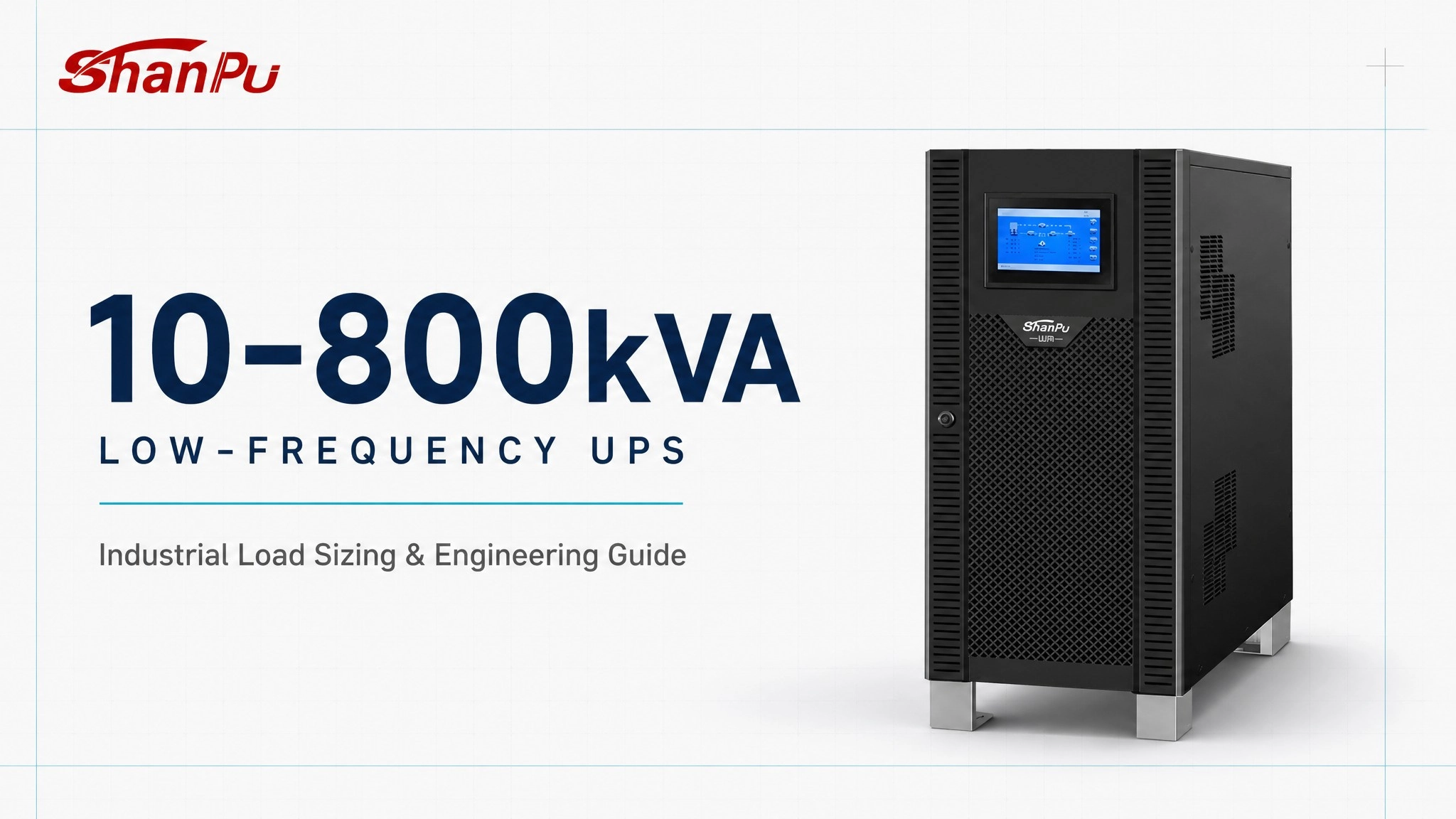
Low-Frequency UPS Engineering Guide: Sizing 10–800kVA Systems for Industrial Plant Loads
Voltage Sag Case Study: How a 1200kVA Modular UPS Project Was Rescued by Bus Distribution Box Selection

Online UPS Installation Guide for Beginners: Setup, Safety & First Startup
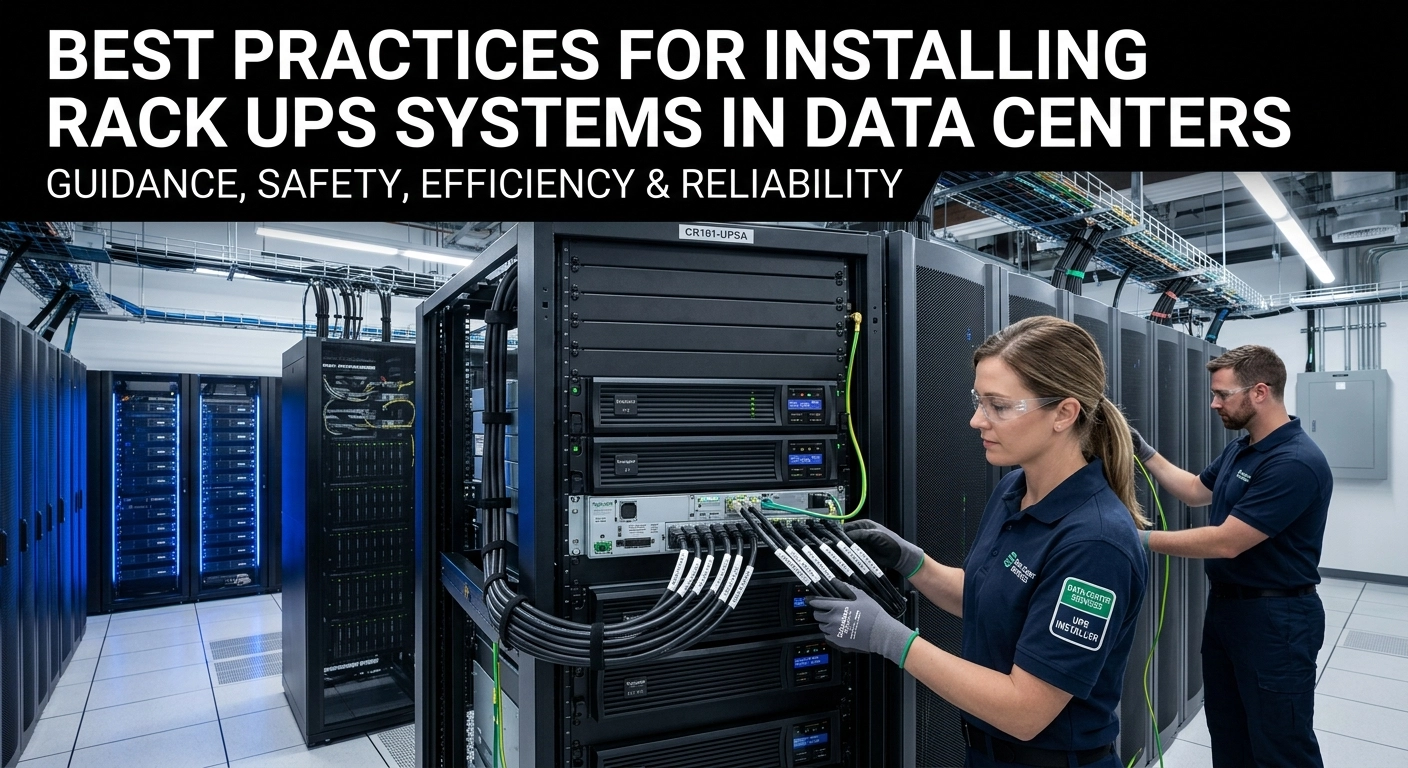
Best Practices for Installing Rack UPS Systems in Data Centers


Get in touch with us
If you have any comments or good suggestions, please leave us a message; later our professional staff will contact you as soon as possible.
© 2026 ShanPu. All Rights Reserved.
YouTube
SHANPU UPS
Shanpu