


how do grid-tied inverters integrate with commercial pv systems? | Insights by ShanPu

Quick Answer
Grid-tied inverters connect a commercial PV array to the facility’s AC system by converting DC power, synchronizing with the utility, and operating under protection and control settings. In practical terms, how do grid-tied inverters integrate with commercial PV systems? Through correctly matched voltage, phase, protection, metering, and export controls. Supplier support should clarify compatibility; final design depends on project data, applicable rules, and site testing.
How Supplier Support Applies to Commercial PV Integration Projects
No company profile, brand name, or inverter specifications were provided, so specific claims about product development, OEM or ODM services, customization, quality control, or sample capability cannot be verified. For procurement, request the product datasheet, grid-support functions, protection scheme, communications protocol, and documentation relevant to the destination market.
Before comparing suppliers, confirm the required AC voltage and phase, inverter quantity and capacity, DC array configuration, export-control method, and applicable utility requirements. MOQ, lead time, testing scope, and quotation must be confirmed for each project; none can be established from the information supplied here.
Share Your Commercial PV Interconnection Requirements
For a project discussion, provide the installation country, utility voltage and phase, PV array DC capacity, proposed inverter models and quantities, facility load profile, export limit, and applicable grid or utility requirements. These details can frame discussion of compatible options, required technical documents, sample or testing steps, and quotation. Send the project brief to SPU@gdshanpu.com.
Commercial Grid-Tied Inverter Integration FAQs
How does inverter synchronization work at commercial service panels?
A grid-following inverter measures the connected AC grid’s voltage, frequency, and phase, then controls its output to operate in step with that reference. In a commercial installation, the inverter’s AC output typically connects through designated conductors and overcurrent protection to a distribution panel or switchboard; it does not synchronize with the panel as a separate power source. The design must account for the service voltage and phase, transformer arrangement, conductor and breaker ratings, grounding, and the point of interconnection. Multiple inverters can feed a common bus when the equipment and interconnection design permit it, but their combined output and protective-device coordination must be assessed. Utility interconnection rules and standards such as IEEE 1547-2018, where adopted, set relevant grid-interconnection and interoperability requirements; the authority having jurisdiction and serving utility determine what applies.
Who controls export limits when multiple inverters share a meter?
Export limits are generally implemented through a plant-level control arrangement using measurements at the agreed point of interconnection. Depending on the design, a meter or current transformers measure power flow, and a controller communicates an output limit to the inverters. The exact control hierarchy is product-specific: some inverters support coordinated export control directly, while other systems use a separate site controller. The design must define whether the limit applies to instantaneous real power, how the controller behaves if communications or measurements fail, and whether storage or other generators are included. A utility may require a particular control method, settings, or evidence of compliance; a standard revenue meter alone should not be assumed to provide inverter control. Confirm the permitted export, measurement location, response behavior, communications compatibility, and commissioning test with the utility and equipment manufacturers.
How are commercial inverters coordinated with building backup systems?
A standard grid-following PV inverter normally relies on an energized grid reference. When utility power is lost, anti-islanding protection is intended to stop it from energizing an isolated utility circuit. Therefore, adding a transfer switch or backup panel alone does not necessarily allow grid-tied PV to operate during an outage. Backup operation generally requires an intentionally designed islanded system with equipment capable of establishing and regulating the local grid, often a grid-forming battery inverter or a generator-based arrangement, plus compatible PV inverters and controls. The system design must address transfer equipment, load shedding, battery state and power limits, inverter compatibility, neutral and grounding arrangements, and the permitted operating modes. Confirm that the selected equipment supports the proposed AC-coupled or DC-coupled architecture and that the design complies with applicable electrical and interconnection rules.
What protection disconnects a grid-tied inverter during utility outages?
Anti-islanding protection detects conditions in which a utility supply has disappeared while a local generation source could otherwise continue energizing part of the grid. The inverter then ceases energizing the utility-connected circuit according to its certified behavior and configured requirements. The installation also uses electrical protection and isolation devices selected for the system, such as overcurrent protection and disconnecting means; their exact type and location depend on the equipment, system design, and local code. These functions serve different purposes, so an external disconnect should not be treated as a substitute for compliant inverter anti-islanding protection. In the United States, IEEE 1547 and applicable certification requirements, including UL 1741 editions and supplements where required, are relevant references; requirements vary by jurisdiction and utility. Verify the accepted equipment listing, settings, and interconnection documentation for the actual project.
How do engineers size inverter capacity against a facility's load?
Engineers compare the PV array’s DC nameplate capacity with inverter AC capacity, then assess the facility’s electrical limits and operating profile. The DC-to-AC ratio affects how often available PV power may exceed the inverter’s AC conversion capacity, a condition commonly described as clipping; the acceptable trade-off depends on the array design, irradiance, orientation, economics, and project goals. Separately, the AC output must fit the service and interconnection limits, including bus or service constraints, transformer capacity, and any utility export cap. A facility’s peak demand alone does not determine the correct PV inverter rating: interval load data, daytime consumption, operating schedules, and the intended export policy are also important. Engineers should model expected production and confirm equipment ratings and interconnection limits rather than selecting an inverter solely from annual energy use.
Which grid settings must be matched before commercial commissioning?
The settings to verify include the applicable grid profile and nominal voltage and frequency, along with permitted voltage and frequency response behavior, reconnection conditions, and any required reactive-power or power-factor functions. Export limits, ramp-rate controls, active-power limits, and communications settings may also apply when required by the utility or project design. These parameters are not universal: the adopted interconnection standard, utility tariff or technical rules, jurisdiction, inverter model, and approved project documents determine the correct values. Commissioning should verify that the installed firmware and configured settings match the accepted interconnection documents, and that control and protection functions operate as designed. In the United States, IEEE 1547-2018 is a key distributed-energy-resource interconnection standard, but its adoption and implementation details are determined by the relevant jurisdiction and utility.
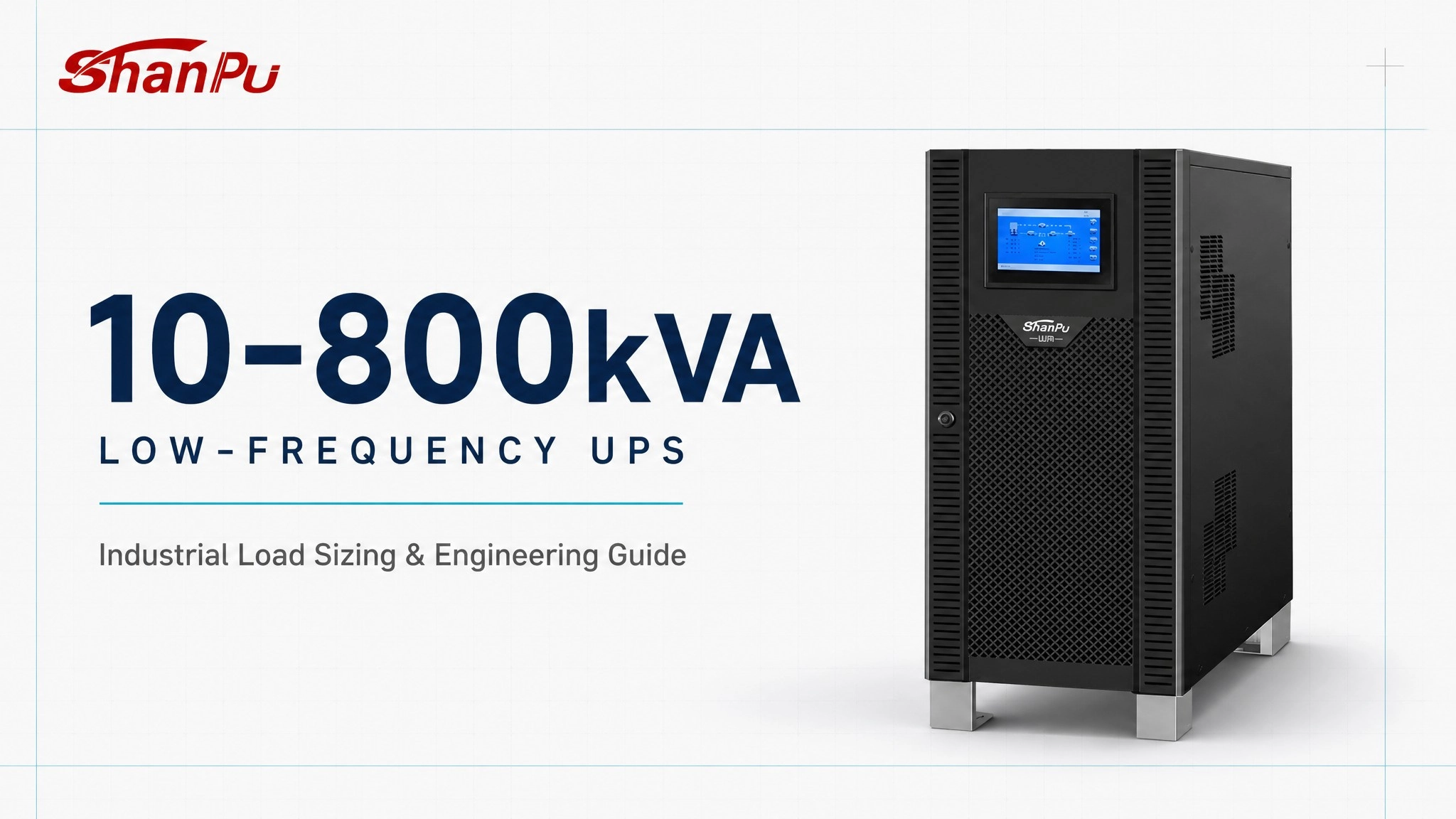
Low-Frequency UPS Engineering Guide: Sizing 10–800kVA Systems for Industrial Plant Loads
Voltage Sag Case Study: How a 1200kVA Modular UPS Project Was Rescued by Bus Distribution Box Selection
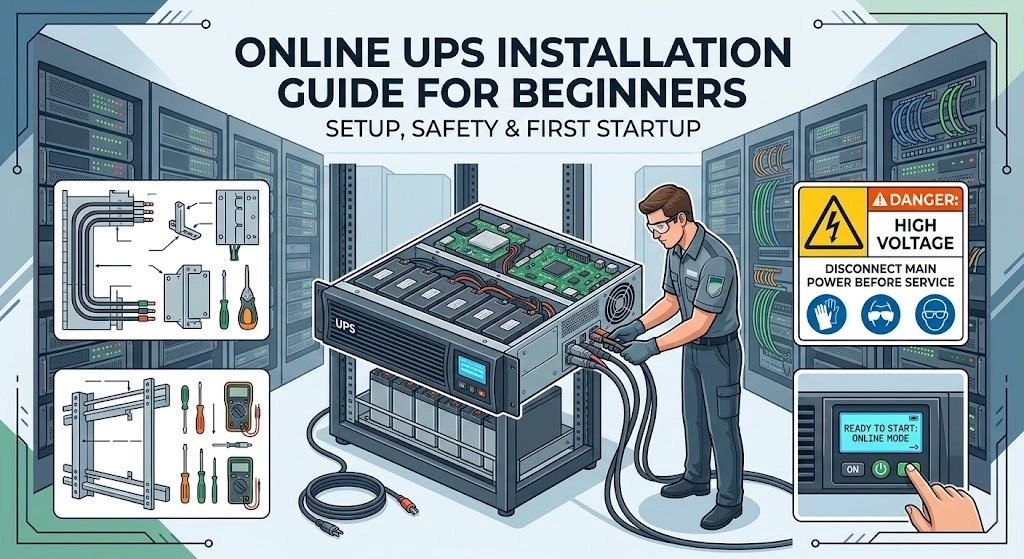
Online UPS Installation Guide for Beginners: Setup, Safety & First Startup
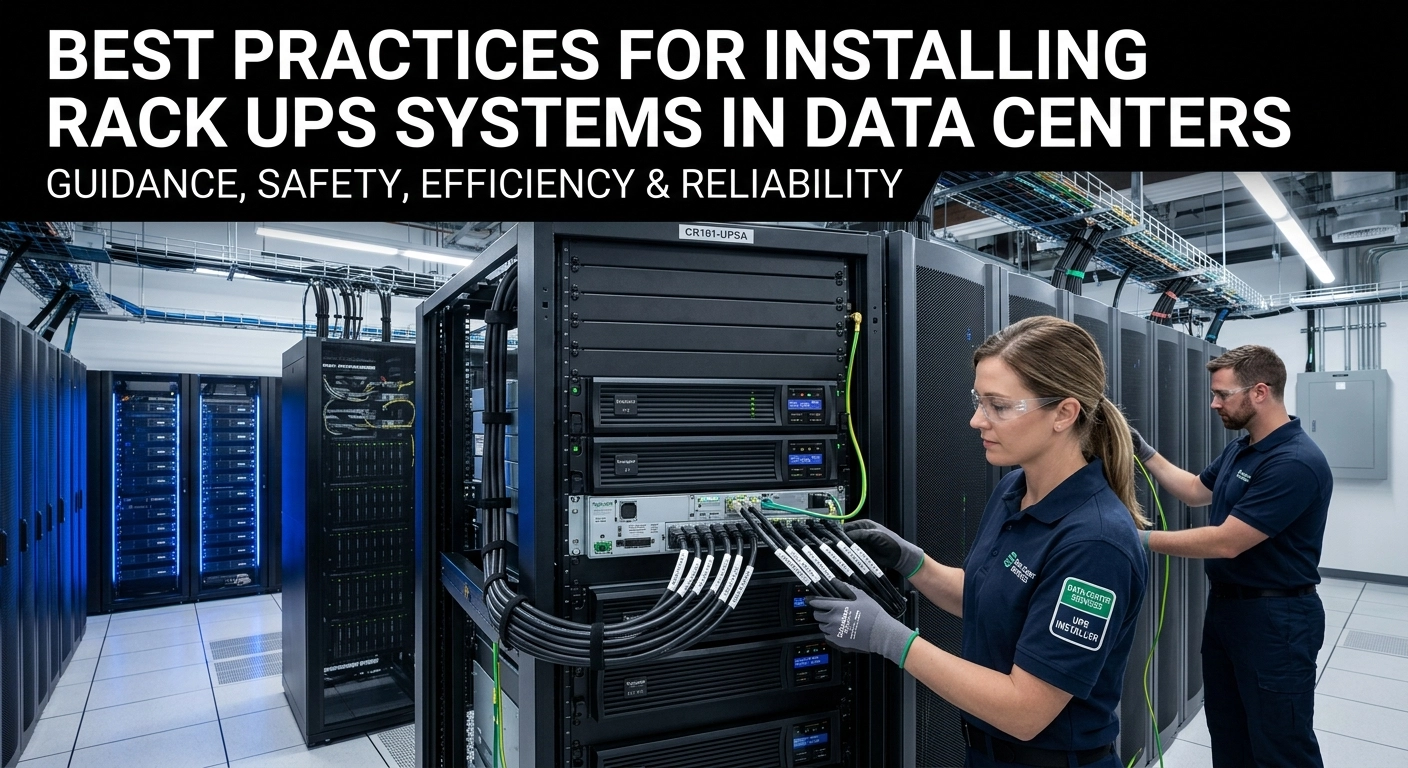
Best Practices for Installing Rack UPS Systems in Data Centers
Get in touch with us
If you have any comments or good suggestions, please leave us a message; later our professional staff will contact you as soon as possible.
© 2026 ShanPu. All Rights Reserved.
YouTube
SHANPU UPS
Shanpu